Now Reading: The Role of Litigation Support in National Banking
-
01
The Role of Litigation Support in National Banking

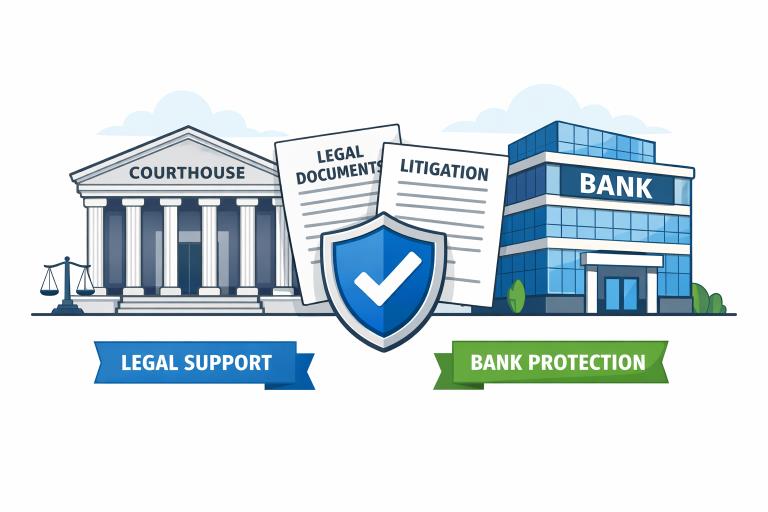
National banks face growing legal complexities driven by evolving regulations, consumer demands, and a rapidly changing technological landscape. Legal disputes, ranging from compliance reviews to customer complaints, demand both expertise and diligence from internal and external counsel. In these situations, banks often rely on expert witness services to explain complex banking issues and clarify evidence in legal proceedings.
Litigation support is essential for banks to effectively manage legal challenges by utilizing specialized expertise and resources. It helps expedite resolutions and mitigate the risks associated with prolonged disputes. The financial sector operates in a dynamic regulatory landscape, where swift changes can lead to significant penalties and reputational damage; hence, effective litigation support is vital for managing operational and reputational risks. With solid litigation support frameworks, banks can efficiently tackle regulatory inquiries, high-stakes lawsuits, and crises while maintaining business continuity. Access to knowledgeable specialists fosters trust internally and externally. Key legal challenges for national banks include regulatory compliance with ever-changing laws, consumer protection claims arising from unfair practices, contract disputes involving various agreements, and investigations into fraud and financial crimes.
Recent illustrative examples include Financial Institutions, Inc.’s settlement over auto loan notification processes, which underscores the critical nature of meticulous regulatory compliance. Events like this highlight how closely banking operations are scrutinized by regulators and stakeholders alike.
The Importance of Specialized Litigation Support
Specialized litigation support is crucial for banks to navigate their specific legal environments, particularly amid mergers, product innovations, and fluctuating regulatory frameworks. Professionals in this field play several key roles: they expertly interpret and monitor ongoing changes in financial regulations, provide advanced tools for managing extensive electronic documents and transaction records, and collaborate with legal counsel to develop tailored legal strategies for various cases. This support mitigates risks and safeguards customer interests and brand reputation, enabling banks to operate with confidence in a complex legal environment.
Key Components of Effective Litigation Support
An effective litigation support strategy consists of several core elements:
- Case Management:Organizational structures and systems that ensure cases proceed smoothly and deadlines are met.
- Document Review and Analysis:Sophisticated review of paper and digital records for facts, compliance, and legal arguments.
- Expert Testimony:Seasoned experts can provide clarity and credibility in judicial settings where complex technical expertise is needed.
- Regulatory Liaison:Communication with regulators to ensure ongoing compliance and minimize risk of penalties or reputational damage.
Taking a holistic approach increases the likelihood of successful case outcomes and a more secure footing for future proceedings.
Case Study: Recent Banking Litigation Trends
Changes in financial regulation are influencing an uptick in banking litigation. For example, recent disputes have centered on open banking rules, with lawsuits filed in response to new data-sharing mandates. In a high-profile 2025 case, a federal judge denied motions by several organizations seeking to submit amicus briefs against the Consumer Financial Protection Bureau’s open banking rule. This case highlighted the fierce debate over consumer data rights and the importance of understanding new regulations.
The trend points towards increased litigation risk for banks that do not anticipate regulatory shifts or fail to update their compliance processes accordingly. Staying on top of legal developments is more critical than ever.
Selecting the Right Litigation Support Specialist
Choosing a litigation support specialist is essential for national banks and requires careful consideration of several key criteria. Relevant experience is critical, highlighting a substantial background in assisting banks and financial institutions during litigation. Additionally, regulatory knowledge is imperative, necessitating an up-to-date understanding of laws, standards, and regulations affecting the industry. Technical skills are also important, particularly proficiency with digital evidence collection, e-discovery platforms, and data analytics tools. Banks should thoroughly evaluate the specialist’s track record, scrutinize testimonials and case studies, and ensure that the specialist is familiar with current industry challenges and solutions.
Future Outlook for Banking Litigation
Litigation trends in banking are increasingly influenced by ongoing regulatory changes, technological advancements, and elevated consumer expectations. Banks need to adapt quickly to continual shifts in laws and standards. The emergence of fintech, artificial intelligence, and digital banking brings new legal challenges that institutions must navigate. Furthermore, as consumers become more informed and vocal about their rights, litigation is expected to rise, particularly concerning data privacy and transparent lending practices. To effectively manage these challenges, banks should proactively invest in litigation support and ensure ongoing staff education to enhance risk mitigation and compliance strategies.
Conclusion
Litigation support is now a cornerstone of robust risk management for national banks. By leveraging specialized expertise and technology, banks not only defend themselves more effectively in the courtroom but also build greater resilience in the face of ever-evolving legal and regulatory challenges. The right litigation support partner empowers banks to focus on their core mission, serving customers and communities, while protecting the institution’s legal and reputational interests.