Now Reading: Safe Driving in Boston: Essential Tips for Navigating City Streets
-
01
Safe Driving in Boston: Essential Tips for Navigating City Streets

Key Takeaways
- Understand Boston’s unique road structure and traffic patterns.
- Stay informed about local traffic regulations and safety initiatives.
- Prepare for seasonal weather conditions to ensure safe driving.
Driving in Boston can be a daunting experience, especially for those new to its historic and complex street network. With narrow and winding roads dating back to colonial times, drivers face unique challenges that require extra caution and preparation. Staying informed, practicing patience, and understanding local driving norms are key to reducing risk and stress behind the wheel. If you ever find yourself in a car accident and need advice or representation, connecting with qualified Boston auto accident attorneys can help ensure your rights are protected as you navigate the aftermath.
Boston’s bustling traffic, seasonal weather shifts, and mix of pedestrians and cyclists demand keen awareness and proactive driving strategies. While scenic, the city’s streets can turn treacherous when snow falls or when congestion peaks. Embracing safe driving practices not only protects you and your passengers but also contributes to the safety and efficiency of the entire community.
Understanding Boston’s Road Layout
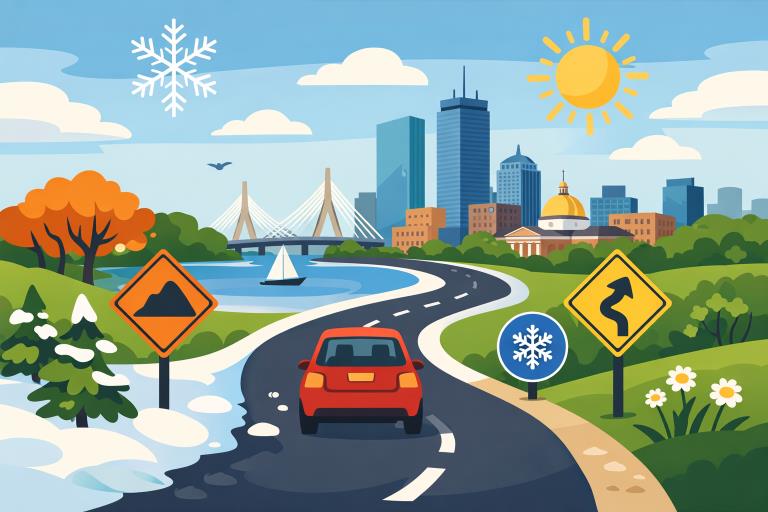
Boston’s street layout is famously irregular, lacking the predictable grid that characterizes many American cities. Roads curve, intersect at odd angles, and narrow unexpectedly. Major arteries like Storrow Drive and the Central Artery cut through dense neighborhoods, making navigation confusing for drivers who are not familiar with the city. Taking time to study a map or using a reliable GPS system can prevent wrong turns and reduce travel stress.
Additionally, many of the city’s oldest neighborhoods feature one-way streets and compact intersections, so advanced planning can help alleviate confusion. For visitors, parking options are limited, with many spaces reserved for residents. Learning where public garages and lots are located beforehand provides peace of mind and minimizes last-minute parking dilemmas. Don’t forget that you’re likely to share the road with numerous delivery vehicles, taxis, and rideshare drivers who may make unexpected stops, further adding to the complexity of Boston’s roadways.
Navigating Traffic Congestion
Traffic in Boston can be intense, particularly during morning and evening rush hours. Efficient route planning is critical for avoiding the worst backups. The city continually invests in traffic signal improvements and intersection redesigns. For example, a 10-second change in light timing on Atlantic Avenue substantially decreased congestion in the area, according to city officials. Monitoring local traffic updates through news outlets or apps allows drivers to adjust their routes and save valuable time.
Beyond rush hour, sporting events at Fenway Park or TD Garden can dramatically increase congestion. Consider checking event schedules before setting out or leaving additional time for travel. Weekends bring their own challenges, such as marathon road closures or construction detours, which dramatically impact accessibility. For those living outside the city, exploring “park and ride” options may help avoid the headaches of navigating congestion altogether, especially if you prefer a less stressful commute.
Adhering to Local Traffic Laws
Compliance with local traffic laws is fundamental for safe driving in Boston. The city has reduced the default speed limit to 25 miles per hour in most areas, and more than 2,000 speed humps have been installed in residential neighborhoods to encourage slower speeds. These measures help prevent accidents and protect pedestrians. Strict attention to signage and parking regulations is also essential, as violations often result in hefty fines or towing.
Unique to Boston are its abundance of yield intersections and confusing “no turn on red” signs; always double-check the rules at each intersection. Be aware that some areas restrict turns during peak hours, so taking note of posted signs can prevent accidental violations and unexpected fines. In school zones, laws are especially strict, and speed limits drop significantly during arrival and dismissal times. Obeying these rules keeps road users, especially children, safe and helps you avoid costly infractions.
Preparing for Seasonal Weather
Boston endures all four seasons, with winters that can be particularly harsh. Snow, ice, and sleet frequently complicate driving conditions and heighten the risk of collisions. Before the winter months set in, equip your vehicle with all-weather or snow tires and keep essentials such as an ice scraper, jumper cables, and emergency blankets on hand. Always maintain a safe following distance and avoid abrupt braking or lane changes on slick roads. The city of Boston advises against using cruise control during winter weather and recommends staying updated on changing road conditions by listening to local radio or checking the Massachusetts Department of Transportation website.
Utilizing Public Transportation
When weather or traffic becomes overwhelming, public transit can offer a safer and more predictable alternative. The Massachusetts Bay Transportation Authority (MBTA) serves Greater Boston with subways, buses, commuter rail, and ferries. Opting for public transportation during heavy snowfall or gridlock not only alleviates personal stress but also helps reduce overall congestion and emissions. More information about the MBTA system and schedules is available through their official site or from local city guide resources.
Participating in Safety Initiatives
Boston encourages safer streets through programs like the “Safest Driver” competition, a public initiative that uses mobile technology to incentivize and promote better driving habits. This community approach aims to lower accident rates and foster a culture of caution and responsibility among local drivers. Participation in these initiatives supports a broader commitment to road safety and makes the city safer for everyone.
Staying Alert to Pedestrians and Cyclists
Boston’s sidewalks and intersections are bustling with students, professionals, and tourists year-round. Cyclists are a common sight, particularly in the warmer months. Drivers must exercise extra care in areas with heavy foot or bike traffic and always yield to pedestrians in crosswalks. Staying alert and minimizing distractions are vital steps to prevent injuries and fatalities. The Centers for Disease Control and Prevention offers additional strategies for improving pedestrian safety in urban areas.
Many intersections in Boston now feature high-visibility crosswalks and bicycle lanes, part of the city’s ongoing investment in safer streets. During the academic year, expect increased pedestrian activity near college campuses. Always watch for hand signals from cyclists, and remember to check your mirrors before opening your car door on busy streets. By sharing the road responsibly, drivers help foster a culture of respect and safety that extends throughout Greater Boston.
Maintaining Vehicle Readiness
Regular vehicle maintenance reduces the risk of breakdowns and accidents. Inspect your brakes, headlights, and tires routinely, especially before the winter season. Ensuring windshield wipers and defrosters are fully operative improves visibility and keeps you safer in Boston’s unpredictable weather. Keeping a well-stocked emergency kit in your vehicle is also recommended for unexpected situations.
In addition, keeping your fuel tank at least halfway full during severe weather prevents gasoline line freeze-ups and ensures you can reach help if stranded. Routine fluid checks, especially for engine oil, coolant, and windshield washer fluid, reduce the chance of mechanical issues at inconvenient times. Being proactive about maintenance supports not just your safety, but also the safety of passengers and other road users, adding resilience to your daily driving routine in Boston.
By understanding the distinct challenges of driving in Boston and following these practical safety tips, drivers can make a positive impact on road safety and the overall efficiency of the city’s transport network.