Now Reading: What To Know About Truck Accidents And Catastrophic Injuries
-
01
What To Know About Truck Accidents And Catastrophic Injuries

Key Takeaways
- Truck accidents often result in catastrophic injuries with lasting impacts on victims and communities.
- Understanding the common causes, legal implications, and latest safety advancements is crucial for prevention and support.
- Legal representation, such as that from Quinn Law Group, can be vital for navigating injury claims and obtaining compensation.
- Ongoing investments in infrastructure and truck safety technology are imperative for public safety.
Understanding the Severity of Truck Accidents
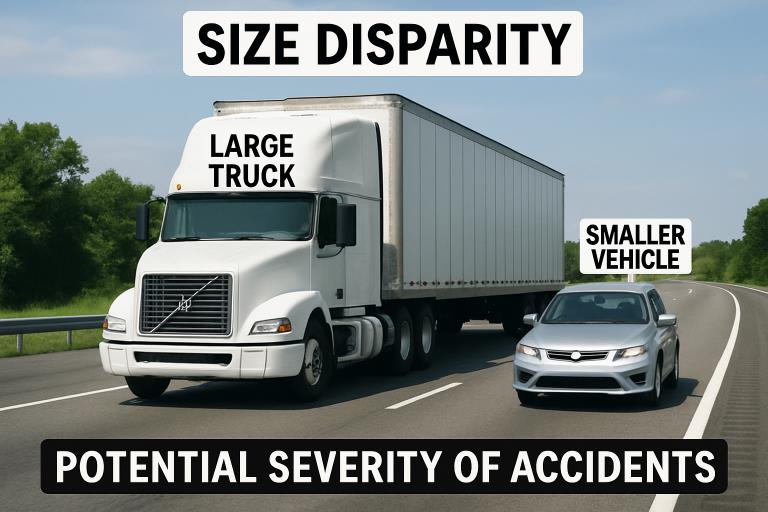
Truck accidents are among the most devastating incidents on roadways. Due to the substantial size and weight of trucks compared to passenger vehicles, collisions often yield catastrophic outcomes, including life-threatening injuries and fatalities. Victims may suffer from traumatic brain injuries, spinal cord damage, severe burns, and multiple fractures. The aftermath extends far beyond physical harm, as families must also contend with emotional trauma and financial strain.
The repercussions ripple outwards to entire communities. Emergency services are often overwhelmed, and extended road closures can disrupt the daily routines of thousands. For anyone involved in such an accident, prompt legal guidance from experienced professionals like quinnlawyers.com is essential for understanding available rights and navigating complicated claims processes.
Truck accidents can also have far-reaching psychological effects. Survivors may experience post-traumatic stress disorder, anxiety, and depression, complicating recovery and rehabilitation efforts. Insurance disputes and the struggle for fair compensation only add to the burden, making professional advocacy critical from the outset.
The stakes are particularly high when a crash involves hazardous materials or occurs on a busy highway, elevating the risks for both immediate victims and the broader public. National transportation statistics consistently highlight the disproportionate severity of injuries in truck-related crashes, underscoring a pressing need for increased safety measures.
Common Causes of Truck Accidents
- Driver Fatigue:Truck drivers often work long shifts, which can lead to depleted focus and delayed responses, despite regulations intended to minimize overwork; violations persist, especially within high-pressure industries.
- Mechanical Failures:Brake defects and tire blowouts are frequent contributors to truck accidents. Inadequate inspections or deferred maintenance increase the risk of catastrophic failure on the road.
- Distracted Driving:From in-cab entertainment systems to mobile devices, distractions pose a serious threat to everyone sharing the highway with large trucks.
- Adverse Weather Conditions:Rain, snow, ice, and fog significantly reduce visibility and traction, increasing the likelihood of chain-reaction crashes or jackknifing incidents.
Legal Implications and Victim Rights
Victims of truck accidents are entitled to pursue damages for physical, emotional, and financial losses. The legal landscape can be complex, with multiple parties often bearing liability, including the truck driver, the trucking company, cargo loaders, and, in some cases, manufacturers of faulty parts. Proving negligence and identifying all liable parties requires thorough investigation and legal experience.
Timely legal action is vital, as statutes of limitations can limit the time to file claims. Compensation may include medical expenses, lost wages, rehabilitation costs, and pain and suffering. The process can be daunting, particularly when powerful insurance companies are involved. Legal professionals can act as robust advocates, ensuring victims are supported throughout each stage of their recovery and claim process. For broader information on the legal complexities of truck accidents, see coverage by The Guardian.
Preventative Measures to Reduce Truck Accidents
Minimizing the risk of truck accidents hinges on adopting preventive measures at multiple levels. Key safety strategies include:
- Routine and comprehensive vehicle maintenance to catch defects before they result in accidents.
- Strict enforcement of trucking hours-of-service regulations to address driver fatigue.
- Deployment of cutting-edge driver-assistance technologies, such as automatic emergency braking and lane-keeping systems, to aid drivers in managing high-risk scenarios.
Additionally, robust training programs can empower drivers with enhanced hazard awareness and decision-making skills. Companies that prioritize safety culture frequently see measurable decreases in incident rates.
Recent Notable Truck Accidents
Several high-profile truck accidents have drawn national attention to the urgent need for improved safety protocols. In June 2023, a gasoline tanker truck fire near Philadelphia led to the catastrophic collapse of a section of Interstate 95, a vital East Coast transportation artery. This incident revealed serious risks associated with transporting hazardous materials and underscored the vulnerabilities in national infrastructure. You can find a detailed account of the event on Wikipedia.
Other accidents involving hazardous cargo or poor road conditions have prompted both regulatory review and calls for enhanced driver training and vehicle technology. Such cases are stark reminders of the far-reaching effects of a single truck accident on local and regional communities.
Impact on Infrastructure and Public Safety
The effects of truck accidents often extend well beyond those directly involved. Infrastructure damage, as seen in the I-95 collapse, causes major disruptions, impacts emergency response times, and can delay supply chains across states. The burden on public resources can be immense, ranging from costly repairs to diminished economic activity in affected areas.
Highway closures and detours often lead to longer travel times and an increased risk of secondary accidents. Authorities must therefore balance immediate response efforts with long-term infrastructure strengthening and maintenance to mitigate future risks.
Advancements in Truck Safety Technology
Ongoing research and implementation of safety technologies are crucial to reducing the frequency and severity of truck accidents. Innovations like automated safety-warning systems for truck-mounted attenuators and advanced monitoring tools are being tested to proactively alert drivers to hazards, especially in mobile work zones. These technologies have shown promising results in reducing rear-end collisions and improving overall road safety. For more on recent research and developments, see the latest summary from Time.
Industry experts believe that integrating these systems, alongside regular driver education and fleet monitoring, can transform safety standards and mitigate many of the most common causes of tragic truck accidents.
Conclusion
The continued prevalence of truck accidents calls for a multifaceted approach that combines rigorous preventive measures, advanced safety technology, and comprehensive legal and community support. Victims, their families, and society at large all have a stake in the conversation about road safety and infrastructure. By promoting awareness and holding parties accountable, communities can move closer to a vision of safer highways for everyone.