Now Reading: Safe and Effective Ways to Prevent Mold in Your Home
-
01
Safe and Effective Ways to Prevent Mold in Your Home


Mold is a problem that affects many homes and can pose health risks and costly repairs if left unchecked. Taking steps to prevent mold growth is important for keeping your house safe and healthy. For residents who need expert support, professional East Tennessee mold removal and remediation services are available to address serious mold issues efficiently and thoroughly.
Mold can grow quickly when the conditions are right, and learning about its causes, prevention tips, and safe removal methods protects both your property and family. Staying informed about mold prevention will save you time, money, and stress in the long run.
Homeowners in specific regions can also benefit from localized expertise. If you are facing persistent issues, specialized mold removal in Johnson City is an option to ensure your home stays clean and healthy.
Understanding Mold and Its Causes
Mold is a fungus that thrives in moist, dark areas, growing quickly within one or two days after water damage or dampness. Common sources include leaks, flooding, and humidity. Without prompt detection, mold spreads fast and forms hard-to-clean patches. Mold spores are microscopic and float through the air, settling on organic materials like wood, drywall, or dust, where they grow when moist. Exposure causes symptoms from nasal stuffiness to severe respiratory issues, especially for sensitive individuals. Recognizing early signs like musty odors, discoloration, or increased allergy symptoms helps prevent growth and health problems.
Maintaining Optimal Humidity Levels
Humidity greatly influences mold prevention. Keep indoor humidity below 50%, using dehumidifiers and air conditioners to control moisture, especially in basements and bathrooms. Use a hygrometer to monitor moisture levels; if high, turn on a dehumidifier or open a window. Household activities like cooking and showers add moisture. Use lids, bathroom fans, and avoid line-drying clothes indoors. Check for hidden humidity sources like unvented gas heaters or sealed windows. Regularly monitoring humidity helps prevent mold, especially during seasonal changes when excess moisture is common.
Ensuring Proper Ventilation
Good airflow prevents moisture from getting trapped in your home. Every home should have exhaust fans in the kitchen and bathrooms that you use during and after cooking, showering, or doing laundry. Open windows on dry days to let in fresh air, which also helps dry out damp walls and floors. For appliances such as the dryer and stove, make sure vents direct air outside. This simple step protects from steamy moisture that could later encourage mold.
Attics and crawl spaces especially benefit from improved ventilation. Installing attic vents or fans, as well as vapor barriers in crawl spaces, helps keep these areas drier. If you have an older home, you may want to consider having a professional assess air circulation. Modern homes are often well insulated, which can inadvertently cause issues if humid air is not allowed to escape. In addition, check and clean your HVAC filters regularly as part of your home’s ventilation strategy, since clogged filters can reduce airflow and contribute to condensation buildup.
Regular Home Maintenance
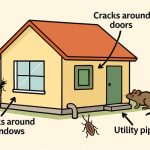
Regular checks and repairs prevent mold. Inspect your roof and plumbing for leaks each season and fix promptly. Clean gutters to direct rainwater away from your foundation. Dry wet areas quickly after spills, storms, or plumbing issues. Maintaining the home’s exterior reduces the risk of moisture. Also, examine less obvious areas, such as windowsills, behind appliances, and around pipes. Seal gaps to prevent water intrusion. After heavy rain, snow melt, or temperature shifts, check for new leaks or dampness early. Regular home upkeep promotes early detection, preventing small moisture problems from becoming costly repairs.
Effective Cleaning Practices
Regular cleaning in moist areas such as bathrooms, laundry rooms, and kitchens helps prevent mold. Pay extra attention to corners, between tiles, and windows. Use a squeegee on glass after showers and wash fabric items often. Quickly dry water leaks within 1 to 2 days to stop mold. Use HEPA vacuums and microfiber cloths for surfaces and carpets. Seal tile grout properly. Fix moisture issues, like condensation, with insulation or weatherstripping. Dry surfaces thoroughly to prevent mold regrowth.
Safe Cleaning Agents for Mold Removal
When cleaning small amounts of visible mold, safe methods are crucial. Avoid bleach, which can irritate eyes and skin and often doesn’t remove mold from porous materials. Use liquid detergent and water, scrub thoroughly, then dry. White vinegar and hydrogen peroxide are non-toxic options that work well on hard surfaces, avoiding strong fumes or chemicals for safety. Commercial mold removers are available; follow instructions and ventilate well. For tough spots, like wood or unsealed surfaces, use dish soap, water, and a stiff brush. Always wear gloves and a mask to protect against allergens. Never mix ammonia and bleach, as they produce toxic fumes.
When to Seek Professional Help
Some mold issues are too large or hidden to handle alone. If you find a mold patch bigger than a bath towel or see mold in your HVAC system, it’s safest to hire professionals. Experts have the tools and gear to remove widespread mold and prevent it from returning.
Professional remediation is also wise if your household includes infants, the elderly, or those with respiratory or immune issues that mold could worsen. When buying a new home, a mold inspection is smart because hidden mold in attics, basements, or crawl spaces can go unnoticed during routine inspections. Mold specialists can identify the source, contain the spread, and use equipment such as air scrubbers and antimicrobials to safely restore the area. Expert advice ensures a thorough cleanup, protecting your health and property value.
Conclusion
Mold prevention goes beyond cleaning; it involves controlling moisture, addressing leaks, and ensuring proper ventilation. By staying proactive and aware, you can keep your home healthy, prevent major mold issues, and protect your family’s health and property value. Consistent maintenance, effective cleaning routines, and knowing when to seek professional help are key to avoiding mold disasters and creating a safe, comfortable home.