Now Reading: The Evolution of Modern Office Space: Trends, Benefits, and Strategic Considerations
-
01
The Evolution of Modern Office Space: Trends, Benefits, and Strategic Considerations
The Evolution of Modern Office Space: Trends, Benefits, and Strategic Considerations

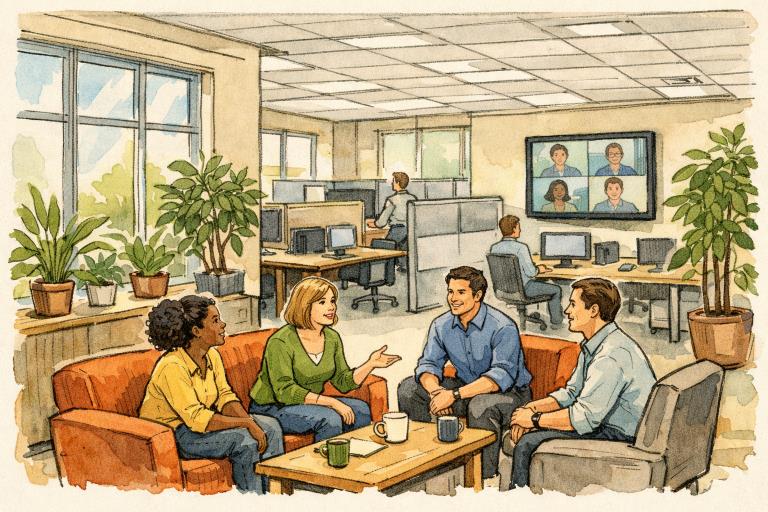
As the nature of work transforms, companies are dramatically rethinking how offices should function, feel, and perform. The move away from rigid workspaces towards environments that foster flexibility, wellness, and collaboration underscores a profound shift in workplace design philosophy. For businesses seeking to remain competitive and attract top talent, adapting to these trends is essential. Access to modern office amenities and customized layouts is especially critical in major urban hubs, making Manhattan office space rentals a focal point for organizations craving a dynamic setup that reflects the latest in workforce thinking.
Designing an engaging office environment is not about style alone. Today’s professionals want spaces that help balance productivity with well-being, leveraging both cutting-edge technology and smart design. With hybrid work here to stay, the ability to tailor physical settings to varying needs is more critical than ever. Integrating natural elements, advanced workplace tech, and sustainable practices can yield tangible benefits for staff morale, retention, and productivity.
Flexible Layouts and Modular Design
Adaptability has become the cornerstone of modern office design. Instead of fixed workstations and unchanging configurations, businesses now opt for modular desks, movable walls, and collaborative hubs that can be adjusted almost instantly. These elements allow companies to adapt the workspace to accommodate teams of varying sizes, project requirements, or changes in workforce composition. Flexible layouts support hybrid work, making it easy to transition between remote and in-person setups while optimizing available space and reducing overhead costs.
Organizations that adopt modular design see advantages not just in operational efficiency but also in fostering more spontaneous collaboration. By removing physical barriers and creating designated zones for both concentrated effort and team brainstorming, modern offices enable employees to shift naturally between work modes. As a result, they are better equipped to tackle complex problems and innovate more freely.
Biophilic Design and Wellness
Biophilic design infuses office spaces with elements that mimic nature, appealing deeply to human instincts and boosting well-being. Green walls, indoor gardens, natural wood finishes, and generous daylight are part of this strategy. Studies have repeatedly shown that integrating nature into workspaces can reduce stress, increase productivity, and enhance employees’ moods. This makes biophilic design a highly valued aspect of the modern office, supporting the broader movement towards wellness-centric workplaces.
Employers are also investing in features such as outdoor terraces, quiet zones, and ergonomic furniture. These not only address health and wellness but also accommodate neurodiversity and individual sensory needs. The positive impact of these changes reflects a broader societal trend waiting for greater focus on employee health and workplace happiness.
Technology Integration
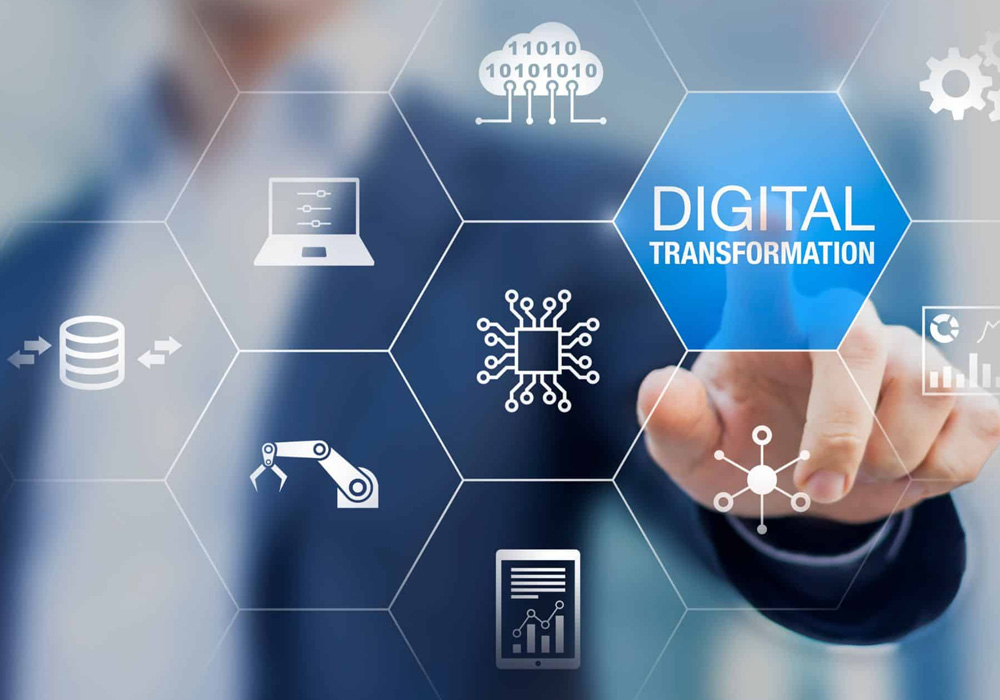
Office technology is no longer limited to computers and phones. Smart buildings now use automated lighting, temperature controls, and integrated audiovisual systems. Features such as wireless charging, plug-and-play video conferencing, and seamless internet access empower teams to stay connected and productive. These tools are especially important in a hybrid work context, where reliable links between on-site and remote staff underpin success.
Robust tech infrastructure is also future-proofing offices for emerging trends such as the Internet of Things (IoT) and AI-driven analytics. Automated scheduling, contactless entry, and real-time occupancy monitoring are becoming standard in leading office spaces. As technology evolves, so too must the spaces that support it, ensuring compatibility with tomorrow’s innovations.
Sustainability Practices
Corporate sustainability is no longer optional. More organizations expect their office environments to reflect environmental stewardship. This includes everything from choosing recycled and low-emission construction materials to installing energy-efficient lighting and HVAC systems. Maximizing natural light, relying on renewable energy sources, and implementing comprehensive recycling programs help to reduce the overall environmental impact of offices while also appealing to eco-conscious employees and clients.
Beyond direct environmental benefits, eco-friendly offices enhance brand reputation and give organizations a competitive edge. Employees, especially younger generations, increasingly consider corporate responsibility when choosing employers. Adopting green practices can therefore support talent attraction and retention while helping to future-proof the business against evolving regulations and expectations.
Amenity-Rich Environments
Modern workplaces that prioritize comfort and convenience are better positioned to attract and retain top talent in a competitive job market. Amenities such as wellness rooms for relaxation or nursing, on-site fitness centers, fully equipped kitchens, quiet focus areas, and inviting communal lounges contribute to a healthier, more enjoyable work environment. These features help reduce stress, encourage work-life balance, and demonstrate an organization’s commitment to employee well-being. Many companies also incorporate in-house cafés, outdoor patios, or rooftop gathering spaces that encourage informal interactions and collaboration. Beyond being attractive perks, these thoughtfully designed amenities strengthen workplace culture, foster meaningful connections, increase employee satisfaction, and support long-term productivity and organizational loyalty.
Considerations for Businesses
- Employee Needs:Regularly consult staff about their workspace preferences and comfort requirements. Employee feedback can shape design decisions that improve day-to-day satisfaction and efficiency.
- Flexibility:Build adaptability into every level of planning and design. The ability to scale or change layouts without major disruption ensures relevance as workforce needs shift.
- Technology:Invest in infrastructure that supports seamless communication, strong connectivity, and easy upgrades in line with new digital tools.
- Sustainability:Prioritize eco-friendly products, energy-saving practices, and designs that benefit the planet and local community.
- Amenities:Select those that enrich the employee experience, promote well-being, and foster long-term engagement.
Conclusion
Today’s workplace is defined by flexibility, sustainability, and a strong emphasis on employee well-being. As organizations adapt to evolving work models, integrating thoughtful office design, advanced technology, and meaningful workplace amenities has become essential for fostering productivity, collaboration, and engagement. Modern office environments support diverse work styles while promoting innovation, efficiency, and a healthier work-life balance. Investing in adaptable workplace solutions enables businesses to attract and retain top talent, respond effectively to changing market demands, and strengthen organizational resilience. By creating purposeful, future-ready spaces, companies position themselves for sustained growth, long-term competitiveness, and continued success in an ever-changing business landscape.