Now Reading: Why Pickleball Has Become So Popular With Adults of All Ages
-
01
Why Pickleball Has Become So Popular With Adults of All Ages

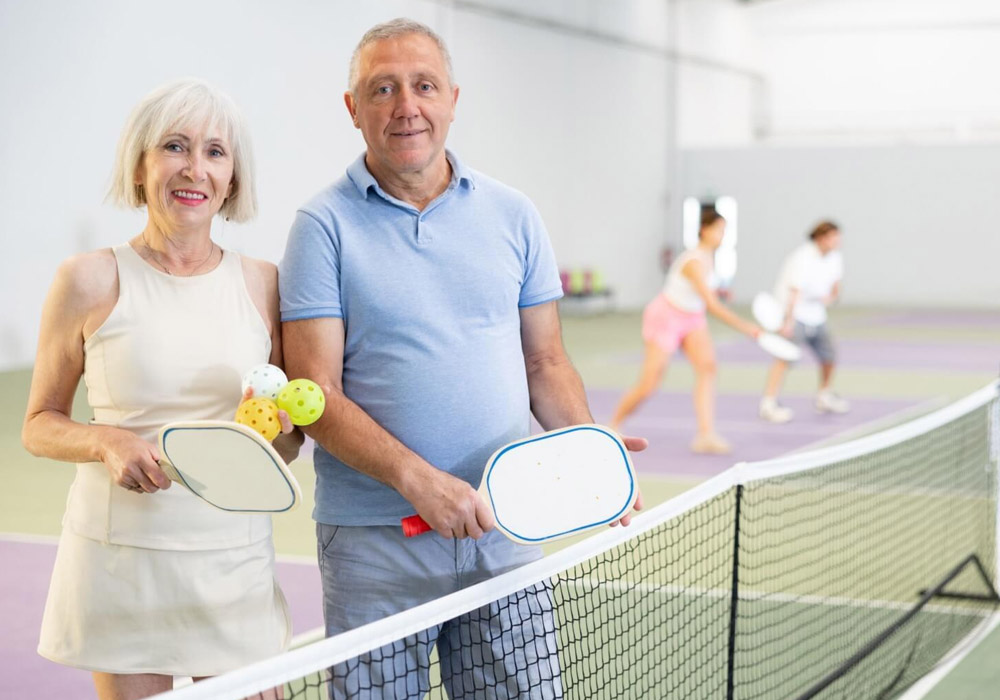
Pickleball has grown from a recreational pastime into one of the most talked-about sports for adults. Its combination of simple rules, moderate physical demands, and social interaction makes it approachable for beginners while still offering plenty of opportunities to improve. Whether someone is discovering racket sports for the first time or returning to competition after years away, pickleball offers an inviting way to stay active and have fun.
Easy to Learn Without Being Boring
One of the biggest reasons adults are drawn to pickleball is its relatively accessible learning curve. The court is smaller than a traditional tennis court, and the equipment is straightforward. New players can learn the basic rules and begin participating without spending months developing advanced techniques first.
That accessibility does not mean the sport lacks depth. As players become more experienced, they can work on shot placement, positioning, serving, returning, and strategic decision-making. The difference between simply hitting the ball and deliberately constructing a point gives pickleball plenty of room for improvement.
This balance is particularly appealing to adults who want a sport that provides an immediate sense of accomplishment while continuing to challenge them. Beginners can enjoy early successes, while more experienced players can keep developing their skills.
Familiar to Racket-Sport Players
People with backgrounds in tennis, badminton, or table tennis may recognize elements of pickleball quickly. Although the sports have important differences, existing skills such as hand-eye coordination, footwork, timing, and anticipating an opponent’s shot can provide a useful foundation.
The transition can work in both directions. Former tennis players may appreciate the strategic possibilities of pickleball without needing to cover as much court, while newcomers can learn the fundamentals without having previous racket-sport experience.
The crossover is visible at the professional level as well. Former tennis professional Donald Young moved into professional pickleball after retiring from competitive tennis, illustrating how experience in one racket sport can lead to a new competitive chapter.
It Offers a Fun Way to Stay Active
Adults often look for exercise that feels enjoyable rather than repetitive. Pickleball fits this preference because much of the physical activity happens naturally within a game. Players walk, change direction, reach for shots, and repeatedly react to the ball while focusing on strategy and competition.
The intensity can also vary. A casual recreational game may feel very different from a fast-paced competitive match. Players can choose an environment and pace that suit their current fitness level, then gradually increase the challenge as their skills and confidence improve.
Regular movement can also make pickleball an appealing alternative for people who find conventional workouts difficult to maintain. When exercise is combined with competition and social interaction, staying active can feel less like a chore and more like a planned activity to look forward to.
Movement Without Excessive Court Coverage
The smaller court is another part of the sport’s appeal. Compared with sports that require players to cover large distances repeatedly, pickleball generally keeps the action within a more compact area.
That does not mean the game is effortless. Quick reactions, controlled movement, balance, and repeated changes in direction still matter. Players can develop their physical abilities while choosing how intensely they want to play.
As with any sport, beginners should build their activity level gradually and pay attention to proper warm-ups, footwear, technique, and recovery. A comfortable pace can make it easier to enjoy the sport consistently.
The Social Side Makes a Big Difference
Pickleball is not only about hitting a ball over a net. For many adults, the social experience is one of the strongest reasons to keep coming back. Games frequently involve doubles, creating natural opportunities to interact with partners and opponents.
A recreational session can turn into a regular social routine. Players may meet new people, form groups, organize games, and develop friendships through repeated participation. This community-oriented environment can make the sport particularly appealing to adults looking for an activity that combines exercise with connection.
A Welcoming Environment for Beginners
Starting a new sport can be intimidating, especially when beginners worry that everyone else will be more experienced. Pickleball’s recreational culture can make that first step feel less daunting.
Players can learn through casual games, practice sessions, or beginner-friendly activities before moving into more competitive settings. Having multiple levels of play allows people to find opponents who match their experience and comfort level.
The social nature of doubles can also take some pressure off individual performance. Instead of every point resting entirely on one player, teammates share the court and can learn from one another.
Players Can Choose Their Level of Competition
Not every adult wants the same experience from a sport. Some people want a relaxed activity after work, while others enjoy structured competition and the challenge of improving their ranking or tournament performance.
Pickleball accommodates both approaches. Players can participate casually with friends or seek more organized competition as their skills develop. This flexibility helps the sport appeal to people with different personalities, schedules, and goals.
Competition can also evolve naturally. Someone may begin by learning the basic rules, then become interested in improving their serve, learning better positioning, or entering organized events. The opportunity to progress can keep the activity engaging over the long term.
Strategy Becomes More Important With Experience
Pickleball can appear simple when viewed casually, but experienced players quickly discover that positioning and shot selection matter. Players must decide when to attack, when to defend, where to place the ball, and how to work with a doubles partner.
This strategic element gives the sport longevity. Once the basic movements become familiar, players can focus on smarter decisions rather than simply trying to hit the ball harder.
The emphasis on placement and patience can make points feel like a mental contest as well as a physical one. That combination is one reason experienced players can continue finding new challenges even after mastering the fundamentals.
It Fits Different Ages and Lifestyles
Another major factor behind pickleball’s popularity is its adaptability. Adults at different stages of life can approach the sport according to their own goals and abilities. A younger player might be interested in speed and competition, while another adult may prioritize social activity and moderate exercise.
The sport can also fit into a variety of schedules. A game does not necessarily require an entire day, making it easier to incorporate into a busy routine. People can play before work, after work, on weekends, or as part of a regular recreational schedule.
Its flexibility can also encourage families and mixed-age groups to participate together. When players of different ages and experience levels can find suitable games, the sport becomes easier to share across generations.
A New Activity Without a Huge Learning Barrier
Adults frequently hesitate to begin new sports because they assume they need to be highly athletic from the beginning. Pickleball challenges that assumption by allowing newcomers to start with basic skills and develop gradually.
The equipment is relatively simple, the playing area is compact, and the rules can be learned through practice. These characteristics reduce some of the barriers that make other sports feel difficult to approach.
That does not guarantee instant mastery, but it creates a welcoming starting point. Players can improve at their own pace while still enjoying the activity from their earliest games.
It Encourages Consistency and Community
One of the most valuable features of pickleball may be its ability to turn occasional exercise into a regular habit. When players know that friends or familiar opponents will be at a court on a particular day, showing up becomes part of a routine.
Consistency matters for any recreational activity. A sport that people genuinely enjoy is more likely to become something they continue doing instead of abandoning after a few weeks.
The community aspect can reinforce that habit. Players have reasons to return beyond exercise alone: improving their game, seeing familiar faces, meeting new people, or simply enjoying a few hours outdoors.
Pickleball Provides More Than One Reason to Play
The sport’s popularity cannot be explained by a single feature. Its appeal comes from the way several qualities work together. Pickleball is accessible enough for beginners, active enough to provide meaningful movement, strategic enough to remain interesting, and social enough to create a sense of community.
It also gives adults room to define what success means to them. One person may simply want to learn a new activity, another may want a regular source of exercise, and someone else may become passionate about competitive play. All of those goals can exist within the same sport.
That flexibility is likely a major reason pickleball continues attracting people across a wide range of ages and experience levels. It does not require everyone to play in the same way. Instead, players can shape the experience around their abilities, interests, and lifestyle.
Conclusion
Pickleball has become popular with adults because it combines accessibility, exercise, strategy, competition, and social connection in one activity. Beginners can learn the basics without feeling overwhelmed, while experienced players have plenty of opportunities to improve. Its adaptable pace and welcoming community make it easy to fit into different lifestyles, helping more adults discover an active hobby they genuinely enjoy.