Now Reading: How a Structured School Routine Helps Teens Thrive in Virginia
-
01
How a Structured School Routine Helps Teens Thrive in Virginia

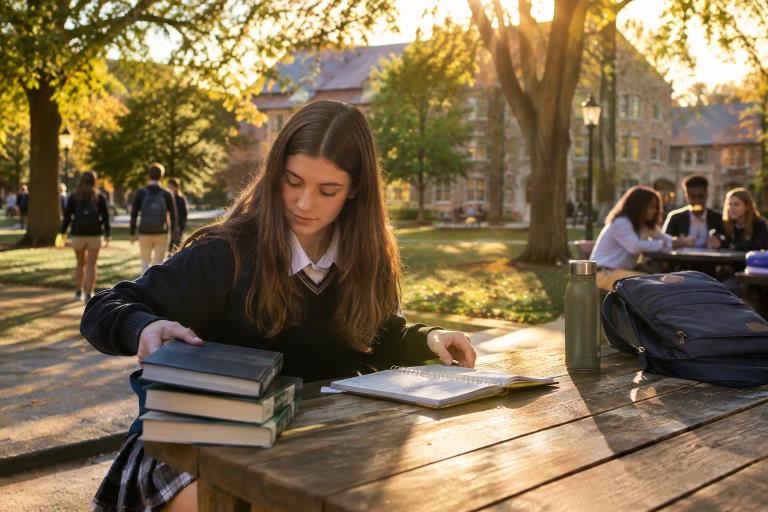
For teenagers, a school day works best when it provides direction without taking away every opportunity for personal choice. In Virginia, where students may balance demanding coursework, athletics, changing weather, campus responsibilities, and family expectations, a predictable routine can create a steadier foundation for growth. At a boarding school in Virginia, daily structure can help students practice habits that matter well beyond graduation, including preparation, accountability, teamwork, and self-care.
A strong routine is not simply a packed calendar. It is a practical system that helps teens know what is expected, prepare for what comes next, and recover after a full day. When schedules include focused learning, movement, meals, rest, and time with supportive adults, students have a better chance to build confidence while learning to manage increasing independence.
Why Structure Helps Teens Stay Focused
Adolescence brings more choices, more responsibilities, and more distractions. A routine reduces the number of small decisions students must make throughout the day. Instead of repeatedly wondering when to start homework, organize a backpack, prepare for practice, or get ready for bed, they can follow a familiar sequence. That consistency leaves more attention for learning and problem-solving.
Clear expectations also make it easier to meet deadlines. Students who know when study periods, meals, practices, and lights-out occur can plan ahead rather than react at the last minute. This is especially useful for teens still developing time-management skills. Structure should guide students, however, not control every minute or turn normal mistakes into major failures.
What Healthy Structure Looks Like
Helpful structure supports the whole student. Excessive pressure can make a schedule feel like a list of demands, while a healthy routine connects expectations with realistic support. In a Virginia school setting, that might mean beginning the day with a consistent wake-up time, moving between classes on a dependable schedule, and making room for outdoor activity when conditions allow.
Core Parts of a Healthy Routine
- A consistent start and end to the day
- Clear academic goals and organized study periods
- Regular movement, recreation, or athletics
- Time for meals, sleep, and recovery
- Opportunities for teamwork, service, and leadership
- Access to teachers, coaches, advisors, and other trusted adults
The goal is not perfection. A useful routine gives students a dependable framework while leaving enough room to respond to a difficult assignment, a busy competition week, or an unexpected need for extra help.
How Routines Support Focus and Learning
Focus is not just a personality trait. It is influenced by the environment, task difficulty, sleep, stress, and habits surrounding schoolwork. Repeated routines make starting easier. A student who always reviews assignments, gathers materials, and begins with one priority task after class is less likely to lose an entire afternoon deciding where to begin.
A Simple After-School Reset
Consider a student whose afternoons once disappeared into phone use, unfinished work, and rushed evenings. A simple plan can change the pattern: take a short break after classes, complete a focused homework block, attend practice or take a walk, eat dinner, finish any remaining work, and prepare clothes and materials for the next morning. The plan does not eliminate every distraction, but it gives the student a reliable way to restart after one occurs.
- Use shorter work blocks for demanding assignments.
- Start difficult tasks during the student’s strongest period of focus.
- Keep phones and unrelated screens away during study time when possible.
- Take brief breaks before attention fades completely.
- Review the next day’s priorities before going to bed.
Why Movement Belongs in the School Day
Movement should be treated as part of student health, not as a punishment or something reserved for elite athletes. Organized sports, strength training, walking, hiking, fitness classes, and active recreation can all give teens a productive break from sitting. In Virginia, changing seasons can encourage variety, from field activities in warmer months to indoor conditioning when weather is less inviting.
Students need different kinds of activity. Some enjoy competitive teams, while others prefer a walk with friends or an individual fitness goal. Proper warmups, hydration, recovery, and attention to individual health needs matter in every setting. Research from the University of Minnesota found that longer sleep among teens was associated with less sedentary time, reinforcing the idea that sleep and daily activity should be planned together rather than treated as competing priorities.
Building Leadership Through Daily Action
Leadership grows through repeated choices, not only through titles such as captain, prefect, or club president. Students practice leadership when they show up prepared, take responsibility for shared equipment, help a younger peer understand a task, and remain respectful after receiving correction.
Practical Leadership Opportunities
- Leading part of a team activity or presentation
- Helping a new or younger student adjust to campus life
- Planning a service effort in the local community
- Managing a club responsibility or event detail
- Accepting feedback and responding constructively after a mistake
Real leadership also includes listening carefully, staying calm when plans change, and giving credit to others. A quiet student who follows through and helps a group stay organized may be demonstrating leadership just as clearly as the most outspoken person in the room.
Balancing Rules With Flexibility
Rules and routines are most effective when students understand their purpose. A schedule that is too rigid can increase stress and prevent teens from practicing judgment. Schools can preserve standards while offering choices, such as several approved fitness options, quiet study spaces, office hours for extra academic support, or adjusted workloads during unusually demanding weeks.
Structure and independence are not opposites. A well-designed system gradually gives students more responsibility as they prove they can manage it. For example, a younger student may need a detailed checklist, while an older student may be expected to create a study plan and ask for help before a problem grows.
How Families and Schools Can Work Together
Communication between home and school helps adults notice patterns that a student may not describe directly. Families can ask which part of the day feels most manageable, when focus starts to fade, whether sleep feels sufficient, and where stress is building. Educators can share practical observations about workload, participation, and available support without reducing a student to grades alone.
Students also benefit when they feel known and respected. The CDC describes school connectedness as the sense that adults and peers care about students as individuals and about their learning. Building a stronger sense of belonging at school can make routines more meaningful, as students are more likely to engage when they feel part of a supportive community.
Questions to Ask About a Teen’s School Routine
- Does the schedule support learning and healthy sleep?
- Is there daily movement that fits the student’s abilities and interests?
- Are expectations clear, consistent, and explained?
- Can the student ask for help without embarrassment?
- Are there regular chances to practice responsibility and leadership?
- Does the routine include genuine rest and recovery?
- Does the student gain more independence over time?
- Does the school environment help the student feel included?
Final Thoughts
A strong school day does more than move teens from one class to the next. It gives them repeated practice with focus, responsibility, teamwork, movement, and self-care. For students in Virginia, the most effective routines are clear without being harsh, active without being exhausting, and organized without removing choice. Those habits can help teenagers prepare not only for academic goals, but also for work, community life, and the decisions that follow graduation.