Now Reading: A Practical Checklist for Safer, Better-Run Rental Homes in Malvern, PA
-
01
A Practical Checklist for Safer, Better-Run Rental Homes in Malvern, PA

Key Takeaways
- Consistent property assessments can reveal emerging issues before they lead to significant repair costs.
- Preventive maintenance supports safer homes, clearer planning, and fewer avoidable emergencies.
- Written screening criteria and organized records create a more consistent rental process.
- A documented maintenance and turnover system can improve the experience for both owners and residents.
Rental ownership in Malvern, Pennsylvania involves much more than collecting rent and responding when something breaks. Homes need regular attention through changing seasons, resident transitions, and the ordinary wear that comes with daily use. Owners looking for property management in Malvern, PA, can use a simple operating checklist to add structure to each part of the rental cycle. A clear system does not eliminate every surprise, but it gives each task a place. Instead of discovering a loose handrail, slow drain, or roof issue only after it has worsened, owners can schedule reviews, document conditions, and make decisions with better information.
Why Rental Operations Need a Clear System
Reactive management can turn manageable maintenance into a costly interruption. For example, a small leak around a window or roof penetration may initially leave only a stain. If moisture continues to enter, the issue can affect drywall, flooring, insulation, or indoor air quality. A scheduled approach makes it easier to spot warning signs, arrange qualified repairs, and communicate expectations to residents. In a community like Malvern, where rental homes range from older properties to newer construction, maintenance priorities should reflect each building’s age, systems, and condition. A calendar, inspection checklist, emergency contact list, and centralized records can make the work more repeatable.
Step One: Check the Property From Top to Bottom
Conduct documented inspections at move-in, at appropriate intervals during the lease, and after move-out. Follow lease terms and applicable notice requirements before entering an occupied home.
Exterior Checks
- Look at the roofline, gutters, siding, windows, doors, and exterior lighting.
- Check walkways, steps, handrails, fences, drainage paths, and areas where water collects.
- Note overgrown landscaping, damaged branches, pest activity, and visible foundation concerns.
Interior Checks
- Check that all fire and carbon monoxide detectors are operational and that window and door locks close securely.
- Inspect plumbing fixtures, drains, water pressure, and visible signs of leaks.
- Review heating, cooling, ventilation, appliances, outlets, walls, ceilings, and floors.
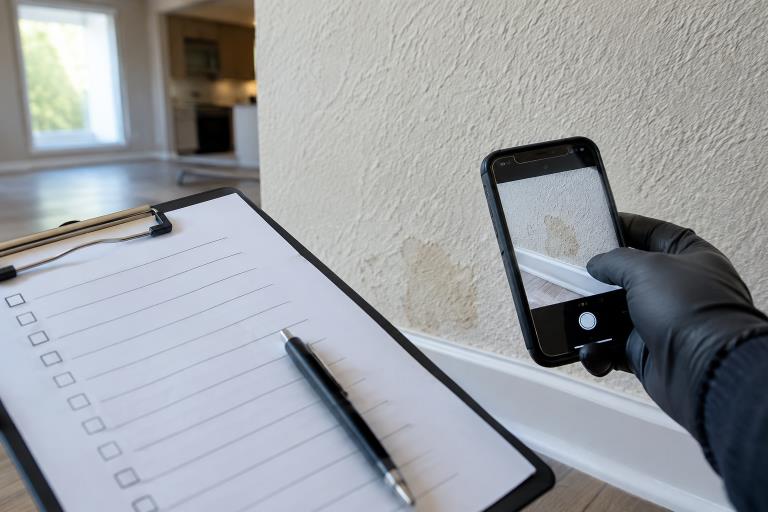
- Photograph conditions and write dated notes so the record is useful later.
Step Two: Build a Preventive Maintenance Calendar
Maintenance is easier to manage when recurring work is planned instead of postponed until a system fails. Monthly, seasonal, and annual reminders can help owners prioritize work and budget for known needs.
- Monthly: Review open repair requests, repeat complaints, unusual utility patterns, and common-area safety where applicable.
- Seasonally: Clean gutters, inspect drainage, service heating or cooling equipment before heavy use, test alarms, and check exterior seals.
- Annually: Update the condition report, review major-system age, confirm emergency contacts, and set aside funds for expected repairs or replacements.
Step Three: Use Fair and Consistent Tenant Screening
Every applicant should be evaluated against the same written, legally appropriate standards. A consistent process may include identity verification, income documentation, rental history, credit information, and any other information permitted by applicable law. Set criteria before applications arrive, verify documents rather than relying on unsupported claims, protect sensitive personal data, and keep records explaining approval or denial decisions. Avoid changing standards during the process, relying only on an automated result, or making decisions based on personal impressions.
Step Four: Keep Better Rental Records
Store important documents in one secure system that can be reviewed when questions arise. Useful records include signed leases and addenda, inspection reports, repair requests, invoices, payment histories, notices, insurance information, and important resident communications. Dated photos and detailed notes are especially useful at move-in and move-out. They help distinguish ordinary wear from damage and provide a clearer record of the home’s condition over time.
Step Five: Create a Clear Maintenance Request Process
- Give residents one dependable method for submitting maintenance requests.
- Ask for the location, description, photos when available, and the urgency of the problem.
- Classify the request as emergency, urgent, or routine.
- Confirm receipt and explain the next expected update.
- Document the vendor, work completed, cost, and completion date.
- Follow up to confirm the concern was resolved.
Examples of emergencies can include active flooding, a dangerous electrical condition, a gas-related concern, or loss of heat during severe cold. Emergency responsibilities can vary depending on the situation and local requirements, so owners should consult qualified professionals when needed.
Step Six: Prepare for Renewals and Turnovers Early
Before a renewal decision, review payment history, the home’s condition, upcoming repairs, operating costs, and required notice periods. Written renewal communication gives both parties time to consider their options without creating a rushed vacancy. For turnover, confirm move-out instructions, arrange vendors in advance, compare the home with the move-in report, complete repairs and cleaning, test locks and safety devices, and take fresh marketing photos after the property is ready.
Step Seven: Watch the Numbers That Matter
- Vacancy days: The time between one resident leaving and another moving in.
- Maintenance cost: Repair spending tracked over time to identify recurring issues.
- Rent collection rate: The portion of scheduled rent received on time.
- Renewal rate: The share of residents who choose another lease term.
- Net operating income: Income remaining after ordinary operating expenses.
Step Eight: Review Safety and Legal Duties
Rental requirements can vary by state and municipality, so owners should periodically review current rules involving habitability, deposits, notices, privacy, safety devices, and inspections. The federal Fair Housing Act protects people from housing discrimination, making consistent policies and careful documentation important parts of responsible screening and communication. Older homes may also require added attention before leasing or renovating. For most pre-1978 housing, federal rules require specific disclosures of known lead-based paint hazards before a lease is signed, as explained in the EPA’s guidance on real estate disclosures about potential lead hazards.
A Simple 30-Day Rental Property Reset
- Days 1 to 5: Inspect the property and list safety or repair concerns.
- Days 6 to 10: Organize leases, inspection reports, invoices, and resident records.
- Days 11 to 15: Create a maintenance calendar and update emergency contacts.
- Days 16 to 20: Review screening standards and application procedures.
- Days 21 to 30: Review expenses, renewals, vacancy patterns, and upcoming seasonal work.
Conclusion
A safer, better-run Malvern rental home is usually built through consistent habits rather than a single major change or occasional maintenance. Property owners can create a more reliable rental experience by scheduling regular inspections, addressing repair requests promptly, and keeping essential systems such as plumbing, heating, cooling, and electrical components in good working condition. Preventive maintenance also helps identify minor issues before they lead to costly repairs or disrupt tenants’ daily routines. Fair tenant screening, clear lease terms, organized payment records, and consistent communication can make property management more predictable while helping establish positive landlord-tenant relationships. It is equally important to plan for lease renewals, upcoming vacancies, cleaning, repairs, and property improvements before a tenant moves out. Keeping accurate documentation of inspections, expenses, maintenance work, and tenant communications can also support better decisions and reduce misunderstandings. By making these responsibilities part of a regular management routine, Malvern rental property owners can protect their investments, respond to tenant needs more effectively, and maintain properties that remain safe, functional, and appealing year-round.