Now Reading: What to Do After an E-Scooter Crash in Decatur and Metro Atlanta, Georgia
-
01
What to Do After an E-Scooter Crash in Decatur and Metro Atlanta, Georgia

Key Takeaways
- Put safety and urgent medical needs ahead of photographs, property damage, or insurance questions.
- Call 911 when someone is seriously hurt, a vehicle is involved, traffic remains hazardous, or a police report may be needed.
- Document the location, road conditions, vehicle information, witnesses, injuries, and damaged equipment as soon as you safely can.
- Seek medical attention promptly, even if pain, dizziness, or numbness develops hours after the crash.
- Keep the scooter, helmet, clothing, app records, medical bills, and communications connected to the incident.
- Georgia injury claims often turn on evidence of fault, damages, insurance coverage, and applicable deadlines.
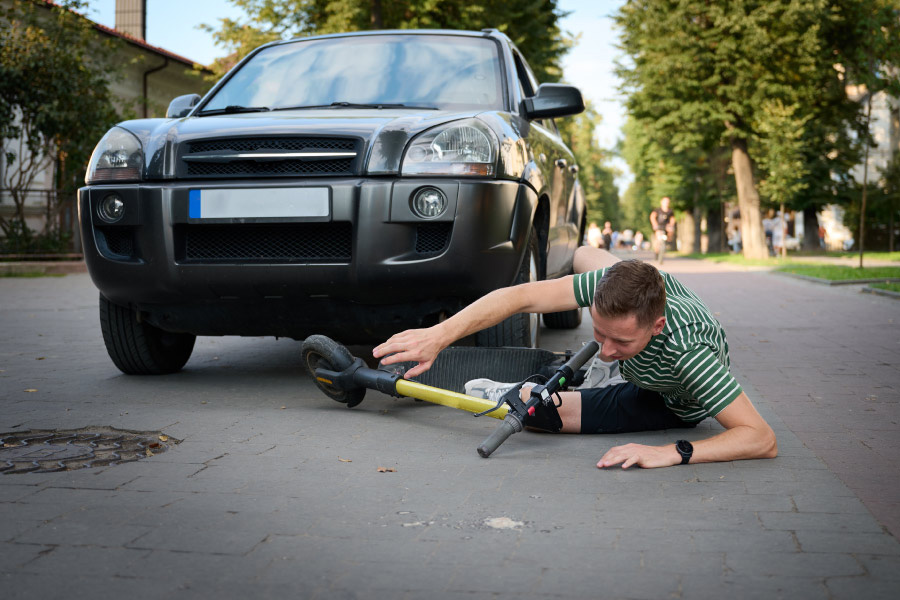
From busy Decatur intersections to Atlanta’s neighborhood streets, e-scooter crashes can happen quickly and leave those involved unsure of what comes next. Whether you were riding, walking nearby, driving, or struck by a scooter, the first priorities are safety, medical care, and documenting what happened. If questions about liability or compensation arise, an e-scooter injury lawyer Atlanta may help explain the legal options available based on the circumstances.
Personal injury claims are civil claims seeking compensation for losses caused by another party’s alleged negligence or legal responsibility. In an e-scooter case, the facts may involve a motorist, another rider, a scooter owner or operator, a property owner, or multiple parties. Responsibility depends on the evidence, not assumptions made at the scene.
Why the First Minutes Matter
Crash scenes change fast. A driver may leave, witnesses may continue on their way, a damaged scooter may be collected, and rain or traffic can erase skid marks, debris, or pavement conditions. That does not mean you should risk your health to gather proof. It means that once immediate danger is under control, accurate photos, notes, and contact details can become important.
An Atlanta peer-reviewed study of emergency department records from June 2018 through August 2020 identified 380 certain e-scooter-related injuries. It found that 41 percent involved head injuries and about 20 percent resulted in hospital admission, which underscores why even a fall that initially seems manageable may deserve medical attention. The study of Atlanta e-scooter injuries also noted that road and built-environment conditions were factors in some incidents.
Get to Safety and Check for Injuries
Move only when it is safe
If you can do so safely, move yourself out of traffic and away from moving vehicles. Do not move a person who may have a serious head, neck, back, or limb injury unless leaving them where they are creates an immediate danger. Call 911 if anyone has heavy bleeding, trouble breathing, confusion, loss of consciousness, severe pain, weakness, or suspected spinal injury.
Do not dismiss delayed symptoms
Adrenaline can hide pain after a collision. Headache, dizziness, nausea, neck pain, numbness, swelling, bruising, or unusual fatigue can appear later. Follow medical discharge instructions, attend recommended follow-up care, and keep a simple daily record of symptoms and activity limits. This record can help connect your recovery to the incident without relying on memory weeks later.
A candid documentary-style photo of an injured e-scooter rider sitting safely on an Atlanta-area sidewalk after a minor crash, with a damaged scooter nearby, natural overcast light, everyday street surroundings, and a bystander helping while emergency care is being considered.
Document the Scene and Preserve Evidence
When it is safe, take wide and close photographs of the scooter, vehicles, visible injuries, helmet, clothing, lane markings, crosswalks, traffic signals, signs, lighting, road defects, and the surrounding area. Note the time, weather, direction of travel, and what happened in your own words. Avoid guessing about speed or fault.
Exchange names, contact information, insurance details, license plate numbers, and driver’s license information with involved motorists. Ask witnesses for their names and phone numbers, but do not pressure them to take a position. For a rented scooter, save the trip receipt, scooter number, QR code, route information, and messages from the rental app. Keep damaged equipment in its post-crash condition until it has been thoroughly documented.
If law enforcement responds, write down the agency, the officer’s name, and the report number. Georgia’s Department of Transportation explains that its crash reporting system maintains records of crashes on public roads and provides a process for obtaining them. Georgia crash reports and data tools can also help you confirm how reports are requested.
How a Georgia Personal Injury Claim May Work
Most claims begin with notice to the relevant insurer and collection of documents. The parties may then investigate fault, review medical records and repair estimates, and assess damages. Potential losses can include medical expenses, lost income, property damage, and the physical and emotional effects of an injury. The available insurance coverage and the facts of the crash can shape the process.
Georgia follows a modified comparative negligence rule under O.C.G.A. § 51-12-33. In general terms, a person who is found 50 percent or more responsible for an injury cannot recover damages from other responsible parties. When a person is less than 50 percent responsible, any damages may be reduced by that person’s percentage of fault. This is why photographs, witness accounts, medical documentation, and complete records matter.
Common E-Scooter Crash Causes
E-scooter crashes can involve many circumstances, and no single fact automatically establishes fault. Common issues may include:
- A driver turning, changing lanes, or opening a door into a rider’s path.
- A rider losing control because of potholes, loose gravel, wet pavement, curbs, or drainage features.
- Low visibility, poor lighting, or an obstructed view at an intersection.
- Distracted driving or riding, excessive speed, or a failure to yield.
- Equipment concerns involving brakes, tires, steering, lights, or a scooter’s condition.
Mistakes That Can Complicate a Claim
- Leaving without exchanging information or noting witnesses.
- Throwing away a broken helmet, damaged scooter, or torn clothing.
- Deleting photos, texts, app receipts, or location history.
- Posting speculation about the crash on social media.
- Giving an account that guesses about responsibility before the facts are known.
- Ignoring symptoms or failing to follow medical advice.
- Accepting a payment before understanding the full extent of treatment and recovery needs.
Georgia Rules, Deadlines, and Local Conditions
Georgia law treats many injury claims as time-sensitive. Under O.C.G.A. § 9-3-33, actions for injuries to a person generally must be brought within two years after the right of action accrues. Other deadlines may apply to property damage claims, insurance policies, or claims involving government entities. For example, claims involving a city, county, or state agency may have special ante litem notice requirements that are much shorter than the general lawsuit deadline.
State and local rules may also affect where and how scooters may operate. Decatur and Metro Atlanta riders may encounter sidewalks, bike lanes, trails, MARTA-adjacent traffic, construction zones, and dense pedestrian areas. A traffic citation or local-rule violation may be relevant evidence, but it does not automatically decide every fault question.
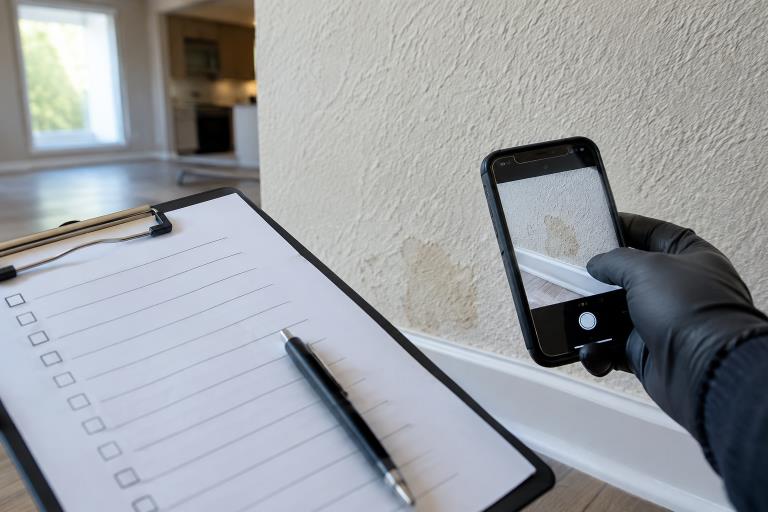
A Simple 24-Hour Checklist
- Get to safety and call emergency services when needed.
- Obtain medical care and follow the recommended treatment plan.
- Photograph the scene, injuries, vehicles, scooter, and damaged property.
- Collect driver, witness, and report information.
- Save app data, receipts, medical paperwork, and all related communications.
- Write a factual account while the details are fresh.
- Keep damaged equipment and avoid repairs or disposal until it is documented.
Conclusion
After an e-scooter crash, you do not need to solve every insurance or legal question at once. By prioritizing safety, medical care, factual documentation, and careful preservation of evidence, you create a stronger foundation for understanding what happened and addressing the practical consequences of the accident.