Now Reading: How Homeowners Can Prepare for Unexpected Heating Oil Emergencies
-
01
How Homeowners Can Prepare for Unexpected Heating Oil Emergencies

Key Takeaways
- Regular maintenance of heating systems prevents unexpected failures.
- Monitoring fuel levels helps avoid sudden shortages.
- Understanding emergency procedures ensures swift action during crises.
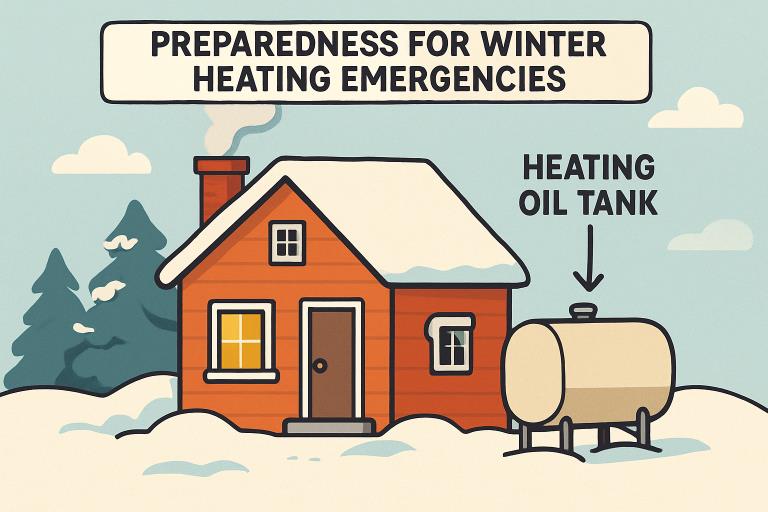
Unexpected heating oil emergencies can strike at any time, especially during the coldest months of the year, leaving homeowners scrambling for solutions. Power outages, equipment malfunctions, or sudden drops in temperature can quickly turn a routine day into a stressful situation. Being prepared ahead of time can help reduce risk, maintain warmth, and ensure everyone in the household’s safety. Simple planning measures like regularly checking your tank levels, keeping emergency contact numbers handy, and understanding how your heating system operates are key steps toward readiness.
For residents relying on fuel delivery, knowing local resources, such as heating oil Bergen County NJ, can make a significant difference. Establishing reliable contacts and scheduling timely deliveries can prevent disruptions before they occur. Additionally, having a basic supply of oil, backup heating options, and safety tools such as carbon monoxide detectors can provide added security. Proactive preparation not only safeguards your home but also brings peace of mind during winter emergencies.
Regular Maintenance of Heating Systems
Routine heating system maintenance is one of the most effective ways to prevent emergencies. Schedule a professional inspection and servicing at least once a year. Technicians can inspect your furnace, clean fuel filters, check for leaks, and ensure that components are in proper working order. Addressing minor issues before they worsen can keep your system running efficiently, provide more consistent warmth, and extend the life of expensive equipment. According to the U.S. Department of Energy, regular maintenance can save energy and reduce repair costs significantly over time.
Monitoring Fuel Levels
Many heating oil emergencies arise from unexpectedly low fuel levels. It’s vital to check your oil tank regularly, especially as cold weather approaches or during prolonged cold spells. Set up a monitoring schedule that works for your household, and consider installing a smart oil tank meter that sends alerts directly to your phone. This simple technology can prevent the stress and discomfort of running out of heat when you need it most.
Understanding Emergency Procedures
Every household should be well-versed in emergency protocols in the event of a heating oil disruption. Know how to safely shut down your heating system, identify where emergency shutoff valves are located, and determine the best available alternative heating sources. Keep your supplier’s phone number in a memorable location so you can reach them quickly if an issue arises. Having a plan to temporarily heat your home, such as with electric space heaters or a wood-burning stove, can keep everyone safe until your system is restored.
Insulating Pipes and Tanks
Proper insulation around heating oil pipes and storage tanks protects against freezing and bursting, both of which can shut down your heating during critical periods. Use foam pipe sleeves, fiberglass wraps, or heating cables specifically designed for fuel systems. Outdoor tanks should be shielded with tank insulation blankets or situated in wind-protected areas. In regions prone to harsh weather, this small investment significantly reduces risk and makes your heating more reliable.
Keeping Backup Fuel
Maintaining a small supply of backup heating oil can spare you and your family during a widespread delivery disruption or extreme winter event. Consult your supplier on safe storage practices and how to rotate backup oil to keep it fresh. Even a small reserve can provide enough heat to bridge the gap until a delivery is possible.
Knowing Your Supplier’s Emergency Protocols
Develop a strong relationship with your heating oil supplier and understand their procedures in emergency situations. Ask about round-the-clock delivery options, emergency response times, and any fees that might apply for after-hours service. Making these arrangements in advance prevents confusion or long waits when you are in urgent need. Keeping communication clear and frequent, particularly during severe winter weather, helps ensure rapid assistance when it is needed most.
Stocking Up on Essential Supplies
If an unexpected heating issue occurs, it pays to have alternative warmth sources readily available. Invest in portable space heaters, extra thermal blankets, and draft stoppers to retain heat inside each room. Weatherproofing kits for doors and windows are also helpful. Being prepared with these basics can keep your family comfortable and safe while your main system is out of service.
Environmental Considerations
Homeowners have an important role in preserving the environment while meeting their heating needs. Choosing cleaner heating oil, such as ultra-low sulfur or biofuel blends, can reduce carbon emissions and support more sustainable energy practices. Likewise, responsibly disposing of old or contaminated oil protects both your home and local ecosystems. By following regular system maintenance and safe storage guidelines, you minimize the risk of oil leaks and environmental hazards throughout the winter season.
Conclusion
A combination of vigilance, preparation, and regular maintenance delivers dependable heating through whatever winter brings. By implementing the above practices, you can navigate unexpected heating oil emergencies with confidence, keeping your home safe, warm, and ready for any challenge.