Now Reading: The Role of Nature in Recovery from Substance Use Disorders: How the Outdoors Supports Healing
-
01
The Role of Nature in Recovery from Substance Use Disorders: How the Outdoors Supports Healing
The Role of Nature in Recovery from Substance Use Disorders: How the Outdoors Supports Healing

Key Takeaways
- Nature supports physical, mental, and emotional healing during recovery.
- Outdoor activities can reduce stress, improve mood, and promote healthy habits.
- Time in nature encourages mindfulness and emotional balance.
- Natural settings help build social connections and reduce isolation.
- Simple outdoor practices can complement traditional recovery programs.
- Regular exposure to nature can strengthen long-term sobriety and overall well-being.
Spending time in nature has long been associated with improved mental and physical well-being, making it a valuable component of recovery from substance use disorders. Natural environments offer a calming escape from everyday stressors, helping individuals reduce anxiety, improve mood, and develop healthier coping mechanisms. Whether through hiking, gardening, mindfulness exercises, or simply spending time outdoors, nature-based activities can encourage self-reflection and emotional healing. As more treatment providers recognize the therapeutic value of the outdoors, nature has become an important complement to traditional evidence-based addiction treatment approaches.
Programs such as the Recovery Ranch Rehab in Boulder, Colorado, demonstrate how natural surroundings can enhance the recovery journey. Set against scenic backdrops, these environments offer opportunities for experiential therapies, physical activity, and meaningful connections with others in recovery. By combining clinical care with outdoor experiences, individuals can build resilience, regain confidence, and establish a stronger foundation for long-term sobriety. The healing power of nature offers a unique pathway to personal growth, supporting recovery that extends far beyond the treatment setting.
Physical Benefits of Nature in Recovery
Engaging the body through outdoor movement is a core principle in recovery environments that utilize nature. Activities such as hiking, kayaking, or even gentle walks along scenic trails can rebuild physical strength and endurance compromised during substance misuse. Scientific reviews reveal that regular physical activity helps regulate sleep patterns, reduces withdrawal symptoms, and improves cardiovascular health. By prioritizing time outdoors, individuals not only regain physical vitality but also reduce the likelihood of relapse by replacing old habits with healthier alternatives.
Nature’s impact on physiological stress is significant as well. Time outside can decrease cortisol levels (the primary stress hormone) and help stabilize blood sugar, which is often disrupted by substance use. The combined benefits of fresh air, sunlight, and gentle exercise support the body’s return to equilibrium, making a measurable difference during early recovery and beyond.
Mental and Emotional Healing Through Nature
Mental health and emotional stability are often top priorities for individuals after completing a substance use treatment program. Numerous studies highlight the positive impact of nature on mood enhancement and the reduction of anxiety and depression. Regular exposure to green spaces is linked to lower rates of mental health struggles, offering calming sensory experiences that promote relaxation and mindfulness.
Natural environments encourage a sense of presence and attentive awareness. The sounds of running water, rustling leaves, and birdsong create a soothing backdrop for self-reflection and meditation. These moments can help alleviate intrusive thoughts and emotional overwhelm, laying the groundwork for ongoing self-care. For those navigating the unique challenges of recovery, these brief respites from stress help develop emotional regulation and sustain inner peace.
Community and Social Support in Natural Settings
Social connection is a well-recognized factor in maintaining sobriety, and the outdoors provides a welcoming stage for building meaningful relationships. Group nature outings or outdoor therapeutic activities can dissolve barriers among participants, fostering a sense of unity that is crucial for long-term recovery. Programs like Pennsylvania’s “Recovery in Nature” have effectively leveraged shared outdoor experiences to strengthen social ties and decrease isolation often felt during recovery.
Participating in community-driven nature events offers individuals the chance to experience healing in supportive settings, free from the stigma often associated with clinical environments. These cooperative efforts encourage positive peer influence, accountability, and a sense of shared purpose that carries over from treatment into independent living.
Practical Ways to Incorporate Nature into Recovery
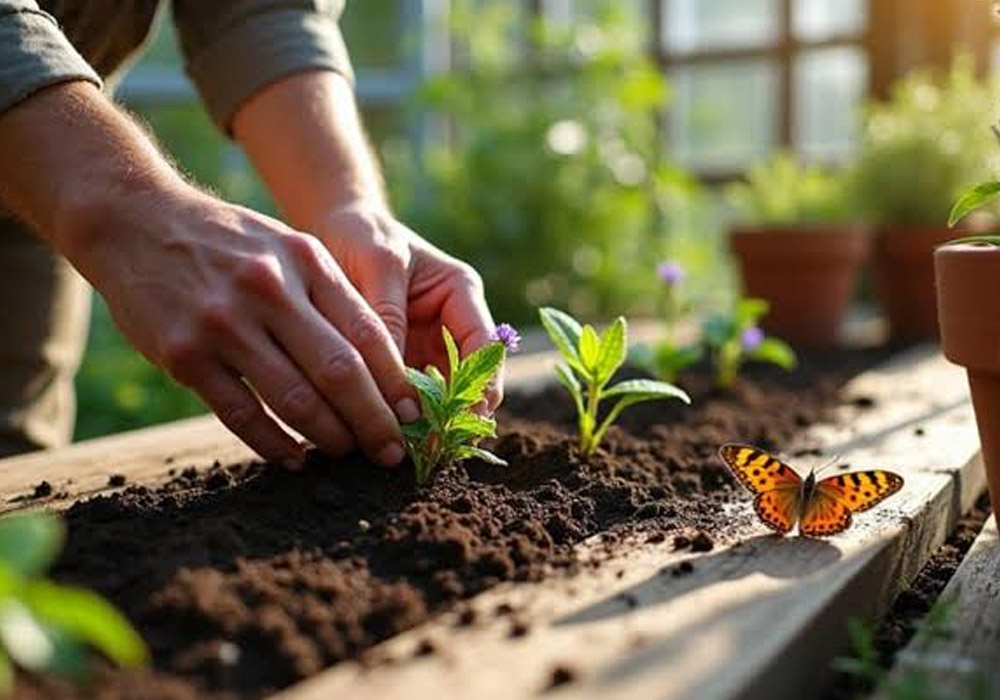
Even small, everyday steps can make a difference. Bringing houseplants into your living space or tending a personal garden can begin to restore a sense of growth and nurture. Substituting indoor exercise for outdoor activities, such as walking, jogging, or practicing yoga in a local park, reminds the body of its connection to the natural world.
Joining group outings or participating in scheduled wellness events in nature brings a sense of accountability and camaraderie. Many communities host free or low-cost activities designed to connect people in recovery with supportive peers in green spaces. Mindful practices such as meditation and breath work are especially powerful when performed outdoors, where the environment naturally quiets the mind and supports deep focus.
Conclusion
Incorporating nature into recovery provides a holistic and powerful supplement to traditional substance use treatment approaches. The outdoors rejuvenates both the body and the mind while fostering the social connections essential to lasting sobriety. By deliberately making space for nature-based activities, individuals in recovery can lay a strong foundation of wellness that supports them for years beyond formal treatment.