Now Reading: Mboya Kenyatta Marsalis: A Life Shaped by Family, Art, and Autism Awareness
-
01
Mboya Kenyatta Marsalis: A Life Shaped by Family, Art, and Autism Awareness

Early Life and Family Background
Mboya Kenyatta Marsalis was born in 1970 or 1971 as the youngest of Ellis Marsalis Jr.’s six kids. Ellis was a famous jazz pianist and teacher, and Dolores Ferdinand Marsalis was a dedicated mother and teacher. Mboya grew up in a musical home in New Orleans, where there was a lot of artistic excellence and intellectual curiosity. Ellis Marsalis, his father, was noted for his work in jazz education. His mother helped the family finance their kids’ scholastic and creative pursuits.
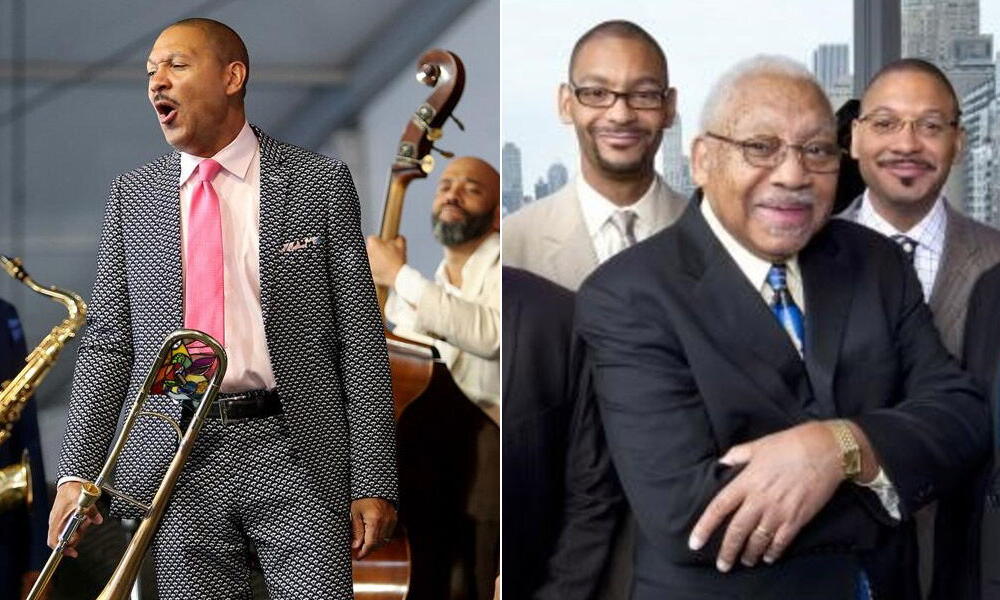
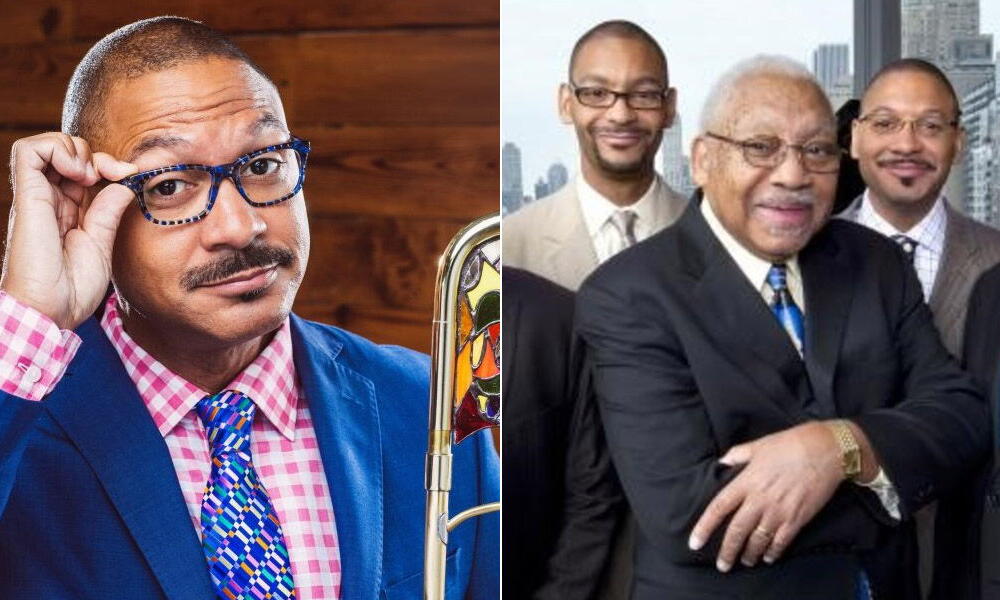
Mboya’s brothers and sisters are famous jazz musicians like Branford Marsalis, a well-known saxophonist; Wynton Marsalis, a well-known trumpeter and the artistic director of Jazz at Lincoln Centre; Delfeayo Marsalis, a trombonist and producer; Jason Marsalis, a well-known drummer; and Ellis Marsalis III, a poet, photographer, and network expert.
Life with Autism and Its Influence
Autism is a big element of Mboya Kenyatta Marsalis’s identity. Mboya’s illness has had a big effect on how the Marsalis family approaches art, education, and community service, even if he doesn’t perform in public like some of his siblings. Many projects, especially in the arts, have been inspired by his life and are meant to bring people together and include everyone.
One big effect of Mboya’s autism was that his brother Delfeayo started the Uptown Music Theatre in 2000. Since then, the theatre has taught more than 300 young people and put on eight original musicals that focus on community and inclusivity. This place is still an important element of the Marsalis family’s continuous work in the arts and culture.
Advocacy and Influence on the Arts
Mboya may not have had a normal job or career, but he had a big impact on his family and the community initiatives they worked on. Mboya has been a catalyst for activism, especially for autism awareness and the need for community-based programs, because of what he has been through.
There is a song on Delfeayo’s CD Jazz Party called “Mboya’s Midnight Cocktail” that is a dedicated tribute to Mboya. The Marsalis family is still working to raise awareness about autism by appearing in community programs. Mboya has become a symbol of the family’s dedication to using the arts to bring about social change.
Net Worth and Financial Support
Mboya doesn’t have a known job or personal income, and his family and carers mainly help him with his money. The Marsalis family, especially Wynton Marsalis, has made a lot of money via their long careers in music, education, and being leaders in the jazz world. People think Wynton Marsalis is worth between $10 and $15 million.
Recent Public Appearances and Media Visibility
The media has mostly focused on Mboya Kenyatta Marsalis’s family’s artistic work, and he has mostly stayed out of the public glare. He has, however, taken part in a number of community projects, especially those that raise awareness about autism. This has made him an even more vital component of the Marsalis family’s outreach efforts. Even though Mboya’s personal life is mostly unknown, his impact on the Marsalis legacy is still felt.
Summary Table
| Aspect | Details |
|---|---|
| Born | c. 1970–1971 |
| Family | Youngest of six sons to jazz legends, lives with autism |
| Siblings | Branford, Wynton, Ellis III, Delfeayo, Jason |
| Influence | Inspiration for Uptown Music Theatre, album tribute |
| Career | No public profession; central to family arts outreach |
| Net Worth | Supported by family resources |
| Recent News | Featured in Autism Awareness; family continues artistic legacy |
FAQ
1. Who are Mboya Kenyatta Marsalis’s parents?
Mboya’s parents are Ellis Marsalis Jr., a famous jazz pianist and educator, and Dolores Ferdinand Marsalis, a supportive matriarch who was integral to the family’s educational and artistic pursuits.
2. How did Mboya’s life influence the Marsalis family’s work?
Mboya’s life with autism inspired Delfeayo Marsalis to create the Uptown Music Theatre, which promotes inclusion and has helped train over 300 youth in the arts.
3. Does Mboya have a public career or income?
No, Mboya does not have a known public career or personal income, and his financial well-being is supported by his family.
4. How has Mboya contributed to the arts?
Although not a performer, Mboya’s life has been an inspiration for his family’s artistic endeavors, including autism awareness initiatives and community-based arts programs.
5. What is Mboya’s current public visibility?
Mboya has kept a low public profile but has made appearances in community programs, particularly those focused on autism awareness and inclusion.