Now Reading: Building Resilience After Trauma: Steps Toward Healing
-
01
Building Resilience After Trauma: Steps Toward Healing

Key Takeaways
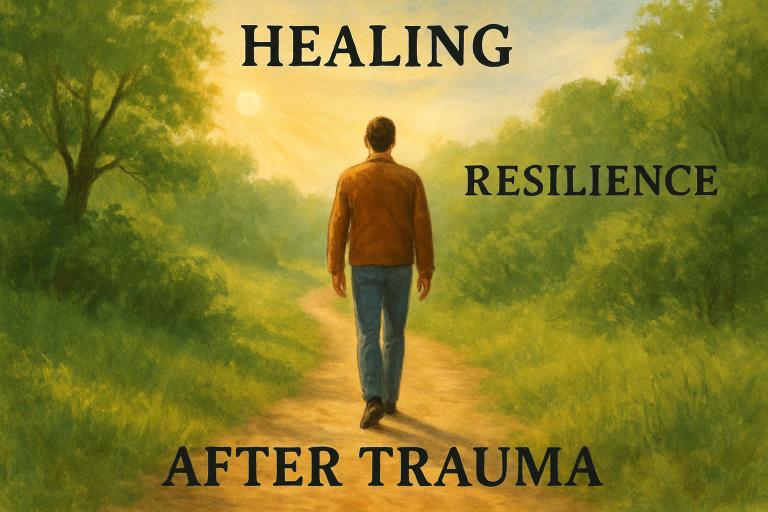
- Understanding how trauma affects identity is fundamental for recovery.
- Adopting healthy coping mechanisms can foster lasting emotional regulation.
- Building supportive relationships or community connections offers crucial emotional support.
- Mindfulness practices enhance self-awareness and help trauma survivors feel grounded.
- Professional guidance provides tailored healing strategies.
Experiencing trauma can profoundly affect a person’s mental and emotional well-being, often leaving them feeling lost or disconnected. Trauma may stem from abuse, accidents, loss, or long-term stress, and its impact varies widely from person to person. While recovery is a personal journey, practical steps can support healing and help survivors regain their strength. For those seeking support, exploring local resources like PTSD treatment Nashville is a proactive first step in this journey, providing a starting point from which individuals can access specialized care and evidence-based strategies tailored to their needs. Trauma affects various aspects of life, influencing self-perception, daily routines, and interactions. The emotional consequences can lead to anxiety, depression, or mood swings if unresolved. However, resilience can be cultivated through self-care, support systems, and professional help. Individuals can enhance their healing by acquiring new skills, forgiving themselves for outdated coping strategies, and embracing the emotional healing process to restore safety and hope.
Understanding Trauma and Its Impact
Trauma disrupts one’s internal world, creating a sense of fractured identity and overwhelming emotions that can make even basic day-to-day functioning challenging. Its effects can be persistent, casting long shadows over self-esteem, the ability to trust others, and the overall sense of peace. For some, trauma may cause a disconnect from previously enjoyed activities or relationships, sometimes leading to a withdrawal from social situations altogether. Research highlights how survivors often reshape their sense of self—sometimes within online communities equipped to understand and process traumatic experiences. Such spaces allow individuals to reconstruct their identities, find validation, and access collective wisdom on the journey from trauma to integration, fostering a new sense of belonging and acceptance.
Whether trauma arises from a single event or repeated stressors, its emotional residue can influence thought patterns and relationships well into the future. Re-experiencing memories, heightened vigilance, and emotional numbness are frequent challenges that survivors face. Recognizing this ongoing impact is essential, as it underscores the need for compassionate and holistic healing approaches, helping individuals realize that their reactions are valid responses to extraordinary stress rather than personal shortcomings.
Develop Healthy Coping Mechanisms
Unmanaged trauma exposure can lead to unhealthy coping methods, such as substance use, withdrawal, or emotional numbing. While these behaviors may initially feel like a relief, they typically exacerbate distress and hinder emotional healing in the long run. The desire to escape painful memories or emotions is understandable, yet it is essential to replace these initial, self-protective strategies with healthy coping tools that support long-term resilience. Strategies include:
- Engaging in regular exercise like yoga, swimming, or walking to restore a sense of control and well-being
- Practicing mindfulness through deep breathing or meditation, which brings awareness and calm to the present moment
- Tapping into creative pursuits—music, writing, painting—as emotional outlets for expression and processing complicated feelings
- Spending time outdoors in nature to find calm and reset the nervous system, which can lessen symptoms of anxiety and depression
Incorporating enjoyable and meaningful activities not only distracts from intrusive thoughts but also strengthens coping abilities, making it easier to adapt to life’s ongoing challenges. Over time, these habits help the brain and body regulate stress responses more effectively, encouraging the restoration of confidence and self-efficacy after trauma.
Build a Support Network
Isolation often compounds the pain of trauma, as the belief that one is alone in their suffering can intensify feelings of shame and hopelessness. Connection, by contrast, can be one of the most potent avenues toward healing. Leaning on family, friends, or joining peer groups for trauma survivors can reduce loneliness and foster belonging. Support networks allow individuals to share their stories, ask for help, and receive encouragement from those who truly understand. Sharing experiences in a safe environment not only validates one’s struggles but also inspires hope and a shared vision for recovery, as highlighted by Psychology Today’s insights on trauma recovery.
Accessing community resources, attending group therapy, or even participating in online support forums can help individuals form bonds based on empathy and shared understanding. Sometimes, the simple realization that others have charted a similar path—and made progress—can be a source of motivation and comfort for those just beginning their healing journey.
Practice Mindfulness and Grounding Techniques
Mindfulness techniques help survivors stay anchored in the present moment, easing anxiety and intrusive memories that may arise unexpectedly. Activities such as meditation, body scanning, or gentle yoga cultivate awareness and acceptance, making it easier to observe thoughts and emotions without becoming overwhelmed. These practices, when done consistently, have been shown to foster emotional regulation, support the development of self-compassion, and interrupt patterns of rumination or self-criticism that are common after trauma. Grounding exercises—such as focusing on specific sensory experiences or repeating a calming phrase—can also provide immediate relief during distressing episodes, empowering individuals to regain a sense of control over their bodies and environments.
Seek Professional Support
While self-help is invaluable, professional help often provides the structured, evidence-based intervention needed to sustain recovery after trauma. Trained professionals are skilled in helping individuals make sense of their experiences, identify triggers, and learn specific strategies for managing symptoms. Options may include:
- Individual sessions with trauma-informed therapists who understand the complexities of trauma recovery
- Cognitive-Behavioral Therapy (CBT) or Dialectical Behavior Therapy (DBT), which are proven to reduce symptoms and build adaptive coping skills
- Eye Movement Desensitization and Reprocessing (EMDR), a specialized therapy for processing traumatic memories.
- Medication prescribed by a psychiatrist to help manage symptoms like anxiety, insomnia, or depression.
Professional providers tailor their approach to meet the individual’s needs, guiding trauma survivors toward healing in a safe and affirming environment. Additional guidance on when to seek help and how therapy works is available from the National Institute of Mental Health. Early intervention can be particularly helpful in preventing long-term consequences and supporting healthy, effective coping from the outset.
Engage in Community Support
Community engagement is often transformative for trauma survivors, providing a powerful reminder that healing is not a solitary endeavor. Whether through formal support groups, volunteering, or participation in recovery-focused activities, the community offers validation, shared purpose, and renewed meaning after trauma. By connecting with others who have faced similar experiences, survivors can find understanding and comfort, learn practical recovery tips, and participate in activities that help restore a sense of purpose and agency. Connecting in this way can transform pain into purpose and reinforce the sense of hope that is fundamental to resilience, turning the energy of suffering into compassion and action for oneself and others.
Conclusion
Building resilience after trauma is a journey marked by patience, self-discovery, and growth. Recovery is not linear—there are setbacks alongside progress—but every step forward builds strength and hope. By developing practical coping skills, nurturing supportive connections, practicing mindfulness, and seeking professional and community support, survivors can actively shape their own healing process. With compassion and persistence, it is possible to reclaim strength and move forward toward a more integrated, hopeful future. The journey from trauma to healing requires courage, but the destination is well worth the effort.