Now Reading: Innovative Solutions for Sustainable Water System Maintenance
-
01
Innovative Solutions for Sustainable Water System Maintenance

Key Takeaways
- Implementing innovative technologies enhances the efficiency and sustainability of water systems.
- Artificial Intelligence (AI) and digital twins play pivotal roles in modern water management.
- Proactive maintenance strategies reduce water loss and operational costs.
Introduction
The world’s water infrastructure is under growing pressure from issues such as aging pipelines, increasing population, and the impacts of climate change. Urbanization, industrial expansion, and severe droughts have all pushed water systems to their limits, making efficient management a top priority for utilities and municipalities. Leveraging new technologies has become essential in maintaining robust networks and preventing costly interruptions, leading industry leaders to adopt innovative, data-driven tools and processes. Alongside advanced strategies and systems, choosing quality water system maintenance products helps keep infrastructure resilient and operational.
Today’s forward-thinking utilities are using digital innovation to create proactive, efficient, and sustainable operations. From advanced leak detection to automated controls and digital replicas, the movement toward innovative water management is transforming how cities and regions approach long-term stewardship. This shift promises heightened reliability and cost control, addressing one of modern society’s most pressing infrastructural concerns.
As the world shifts toward environmental sustainability, water utilities recognize the pivotal role technology plays in reshaping asset management. Cloud-connected sensors, predictive analytics, and comprehensive digitization drive not only operational improvements but also regulatory compliance and community trust. This wave of innovation ensures that water loss is minimized, public health is protected, and precious resources are conserved for future generations.
The transition to innovative solutions isn’t simply about technology adoption. It also means fostering a culture of continuous improvement and collaboration between technology providers, municipal leaders, and field technicians. As communities and water utilities adopt intelligent systems, they become better equipped to meet both current demands and future challenges.
The Need for Smart Water Management
Traditional water management systems, often based on inefficient manual inspections and reactive maintenance, are no longer sufficient for today’s heightened usage and risk environments. In the United States alone, an estimated 6 billion gallons of treated water are lost daily due to undetected pipe leaks and breaks—a staggering figure that underlines the essential need for real-time monitoring and predictive technologies.
This wastage not only represents a direct economic loss but also exacerbates scarcity, disrupts supply to consumers, and increases energy consumption as utilities struggle to meet growing demand. Failed or delayed responses to water system issues drive up operating costs and erode trust.
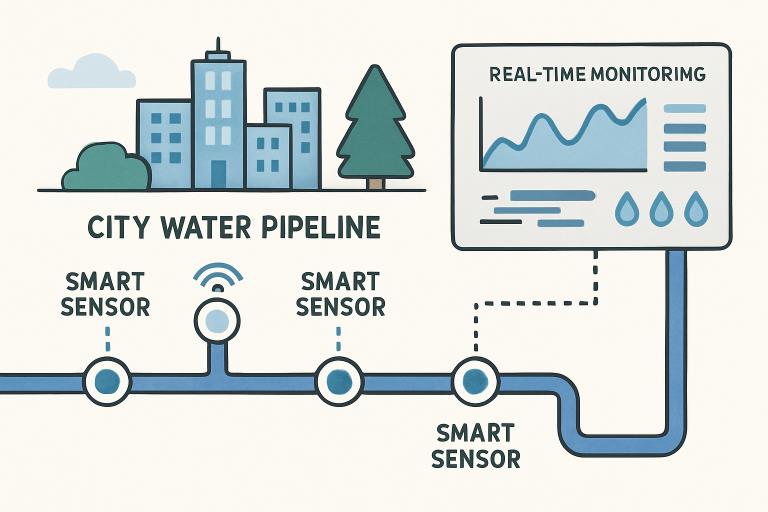
Intelligent water management flips this reactive mindset, introducing sensor-based controls, analytics platforms, and automation tools that maximize efficiency and accountability. Utilities can detect anomalies more quickly, issue targeted repairs, and optimize energy expenditure across their networks.
By integrating digital solutions, water providers not only improve operational outcomes but also foster a culture of sustainability that benefits both communities and the environment.
Leveraging AI in Water Systems
Artificial Intelligence (AI) is becoming an indispensable asset in water management. Through machine learning algorithms and deep neural networks, AI is capable of analyzing vast volumes of sensor data to identify patterns, predict demand, and flag anomalies. Predictive analytics enable more accurate forecasting of where and when leaks may occur, allowing utilities to plan maintenance and mitigate disruptions before they escalate.
In major urban centers, AI-piloted water systems have already demonstrated quantifiable improvements in efficiency and cost savings. These applications include dynamic pressure optimization, which reduces energy use and extends asset life, as well as real-time water quality monitoring, which helps protect public health.
Digital Twins: Transforming Water Infrastructure
Digital twins are sophisticated digital counterparts to physical water systems, offering real-time simulation, scenario testing, and operational insights. By modeling the entire network—from reservoirs and pumps right down to individual valves and meters—digital twins provide a data-rich environment for risk analysis and long-term planning.
Utilities leveraging digital twins can visualize potential failures, anticipate impacts of weather or usage spikes, and coordinate repairs with precision. They can trial upgrades virtually before construction begins, significantly reducing both time and expense. As digital twins incorporate live data, they become increasingly accurate, enabling better decision-making and offering a competitive edge in asset management.
Proactive Maintenance Strategies
Proactive maintenance marks a significant shift from reactive, break-fix models to a culture of continual improvement. Techniques such as condition-based monitoring and predictive maintenance allow organizations to address degradation before it becomes disruptive. Through continuous surveillance and early warnings, utilities can take swift action to prevent leaks, minimize unplanned outages, and reduce the costs associated with emergency repairs.
These strategies often rely on a blend of cutting-edge sensors, historical trend analysis, and integrated data management systems. The result is improved asset reliability, prolonged infrastructure life cycles, and optimized budgets. A strong preventive maintenance plan forms the backbone of truly sustainable water management.
Case Studies of Successful Implementations
The transition to innovative water systems has been validated in real-world settings worldwide. In Sweden, for example, an innovative AI-enabled leak detection program successfully identified leaks as small as 0.5 liters per second, resulting in a dramatic reduction in water loss and improved service reliability. In the United Kingdom, digital twins have underpinned comprehensive upgrades of municipal infrastructure, allowing engineers to mitigate risk and plan repairs with exceptional accuracy.
Utilities that have embraced these solutions consistently report measurable reductions in downtime, lower non-revenue water totals, and enhanced customer satisfaction.
Challenges and Considerations
Although the benefits of innovative water management are clear, the road to implementation is not without obstacles. Substantial up-front investments can deter some utilities, while successful deployment and ongoing optimization require a workforce trained in new digital technologies. Data privacy is another key consideration, as real-time operational data must be secured against cyber threats.
For utilities to leverage these advances effectively, commitment to change management, ongoing training, and the establishment of robust data governance policies are essential. Collaboration with technology partners ensures that integration is seamless, future-proof, and tailored to the specific needs of the community.
Conclusion
The landscape of water system maintenance is evolving rapidly, with innovative solutions offering a tangible pathway to greater sustainability and efficiency. The adoption of AI, digital twins, and proactive monitoring is transforming the industry, enabling utilities to overcome long-standing challenges while laying the groundwork for future growth. By embracing digital transformation, providers can safeguard vital resources, achieve financial sustainability, and enhance service quality—laying the groundwork for a water-secure world.