Now Reading: The Evolving Landscape of Police Force: Policies, Statistics, and Community Approaches
-
01
The Evolving Landscape of Police Force: Policies, Statistics, and Community Approaches
The Evolving Landscape of Police Force: Policies, Statistics, and Community Approaches

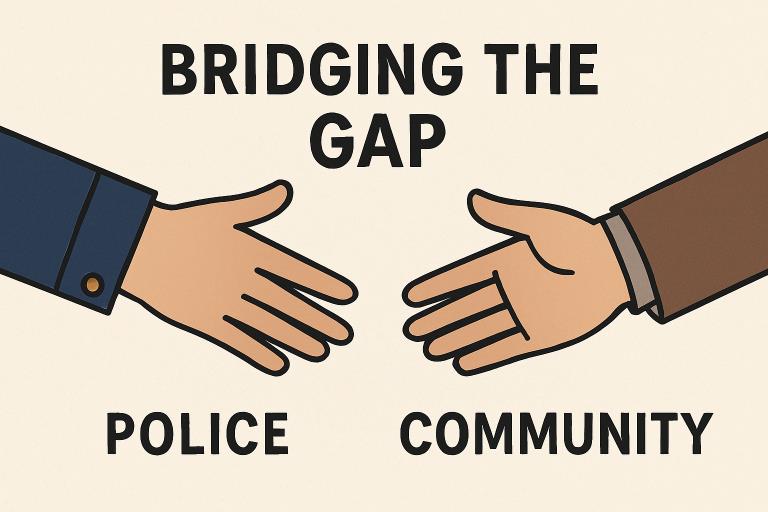
Police use of force is an urgent concern across the United States, impacting the relationship between law enforcement and the communities they serve. Recent scrutiny has intensified public demand for transparency, accountability, and systemic reform. Understanding the legal landscape, staying informed about trends, and supporting community-driven responses are essential steps toward sustained change. For example, California use of force incidents consistently make headlines, illustrating both the complexities and the stakes involved in reform efforts.
Beyond headlines, the reality of law enforcement’s use of force unfolds in policy debates, courtroom decisions, and community forums. The shifting legal frameworks and recent trends reflect both progress and persistent challenges. Laws often vary by state, impacting the frequency and outcomes of police encounters. Communities are increasingly involved in advocating for changes that promote safety and justice for all residents.
This growing reform movement is also evident in legislative sessions, where states continuously review their use-of-force statutes to protect civil liberties. The evolving landscape requires persistent advocacy, thoughtful policymaking, and reliable data, each a vital component in advancing just and equitable law enforcement practices. Effective reform relies not only on laws but also on local commitment, technological innovation, and robust civic engagement.
One promising approach is implementing transparent data systems, including new state-level databases and community reporting initiatives. These efforts offer a clearer picture of police-civilian interactions, guiding policymakers as they address the fundamental question: how can law enforcement ensure public safety without compromising individual rights?
Legal Frameworks Governing Police Use of Force
Police officers’ authority to use force is rooted in the Fourth Amendment of the U.S. Constitution, which prohibits unreasonable searches and seizures. The Supreme Court clarified this framework in Graham v. Connor (1989), requiring that force be “objectively reasonable” in light of the facts and circumstances. However, interpretations of “reasonableness” vary by local policies and state law, contributing to differences in the frequency and severity of use-of-force incidents across the country. States like California have enacted comprehensive reforms, while others rely on earlier, more ambiguous standards, creating a patchwork of regulations that impact community trust.
As the law evolves, training standards, body camera usage, and reporting requirements have emerged as critical factors shaping police conduct during force encounters. Some jurisdictions also emphasize specialized training on mental health crises and de-escalation techniques, leading to different outcomes in high-risk situations. Effective oversight and the possibility of legal repercussions continue to drive shifts in policy and practice, as communities demand that officers be held accountable for excessive or unjustified force.
Recent Trends in Police Use of Force
Despite ongoing protests and legislative action, recent analysis reveals that police use of force remains a significant and sometimes rising issue nationally. For example, data from 2024 indicates that American law enforcement agencies use force on nearly 300,000 people annually, a figure that has climbed since the widespread demonstrations following George Floyd’s death in 2020. Non-lethal force, such as stun guns, chemical sprays, and physical restraints, is common, and a troubling percentage of those affected are unarmed or pose minimal threat at the time of the encounter.
This upward trend persists even in states and cities spearheading reform efforts. The enduring gap between enacted policy and on-the-ground practice highlights the complexities of implementing real change within police departments. Public awareness has increased, further propelled by viral incidents and investigative journalism from major outlets.
Community-Driven Solutions and Reforms
Responding to widespread calls for accountability, advocates have championed reforms designed to limit the use of force, especially deadly force. In California, for example, the “Act to Save Lives” (AB-392) has established more rigorous standards, stipulating that officers may only use deadly force when “necessary” to protect human life, rather than when merely “reasonable.” This language shift prioritizes alternatives to lethal action, such as creating time and space for de-escalation. It is seen as a potential model for other states grappling with high-profile use-of-force tragedies.
Community organizations have also played a leading role in promoting alternatives to traditional law enforcement. These include crisis intervention teams, mental health response units, and restorative justice programs. Such initiatives are credited with reducing potentially volatile encounters and fostering trust between officers and residents. Civic engagement and local leadership are crucial in sustaining reform momentum and ensuring that new policies reflect the realities and values of the communities most affected by policing.
Case Studies of Effective Reforms
The Seattle Police Department offers an example of meaningful change through sustained federal oversight. In 2012, the city and the Department of Justice established a consent decree mandating de-escalation training, enhanced use-of-force reporting, and adoption of body-worn cameras. By 2025, these changes had produced significant improvements, leading the DOJ to end its oversight and cite Seattle’s department as a national model for reform. Success in Seattle underscores the importance of both local and federal involvement in generating lasting change, while highlighting the value of data collection and civilian oversight.
Other cities have mirrored these results with tailored strategies: Camden, New Jersey’s dramatic reduction in police violence followed a complete restructuring of its police force, focusing on community policing and transparency. The lessons from these case studies are widely discussed in research and policy circles, with coverage in national outlets like NPR offering crucial insights for other jurisdictions.
Challenges in Implementing Reforms
Despite encouraging reform stories, significant obstacles remain. Proposed legislation, such as Alabama’s bill extending legal immunity for officers accused of excessive force, highlights enduring institutional resistance. Critics warn that such laws undercut emerging accountability standards, erode public trust, and leave victims of police misconduct with little recourse. Furthermore, reform fatigue among officers and the influence of powerful police unions can slow or even reverse progress toward a more transparent and accountable system.
Achieving lasting change also requires ongoing funding, community support, and political will. In some cases, data-driven reforms face technical hurdles or privacy concerns, which can undermine transparency and effectiveness. Still, as public awareness grows, policymakers face increasing pressure to develop robust oversight and continuous-improvement systems.
The Role of Data and Technology
Comprehensive data collection and transparent reporting are fundamental to measuring the success of policing reforms. The establishment of platforms like the Washington State Data Exchange for Public Safety (WADEPS) in 2025 signals a growing commitment to technological solutions that enable more responsive and accountable policing. Publicly accessible data can illuminate disparities, guide training efforts, and identify problematic trends, ultimately informing evidence-based policy. Advances in technology also extend to body-worn cameras, real-time tracking systems, and AI-assisted analysis of police reports. These tools facilitate increased oversight and have been shown to reduce both the frequency and severity of force incidents in some departments. Continued investment in public safety technology is essential for shaping the future of just and effective law enforcement.
Future Directions in Policing
The conversation around the use of force continues to evolve, with a renewed focus on balancing effective law enforcement with the protection of civil liberties. Emphasizing de-escalation, investing in officer training, and fostering community engagement are likely to remain central pillars. Future reforms may also bolster independent oversight and more meaningful civilian participation in shaping local policies. Ultimately, trust and shared responsibility between citizens and law enforcement are foundational to any vision of safe, equitable, and just policing.
Conclusion
Addressing policing’s most pressing challenges requires coordinated efforts across legal, community, and technological fronts. By learning from successful case studies, advancing comprehensive reforms, and strengthening civic partnerships, society can move toward safer and more accountable law enforcement. Measuring progress through transparent data and informed public oversight remains critical in forging a path to lasting change.