Now Reading: How Ski Resort Communities Are Shaping Luxury Mountain Living
-
01
How Ski Resort Communities Are Shaping Luxury Mountain Living

Key Takeaways
- Ski resort communities are integrating luxury amenities and sustainable practices to enhance the mountain living experience.
- Technological advancements and smart home features are becoming standard in high-end mountain residences.
- Proximity to private airports is increasingly influencing the desirability of luxury ski properties.
- Developers are focusing on creating year-round, multifaceted lifestyles that appeal to discerning buyers.
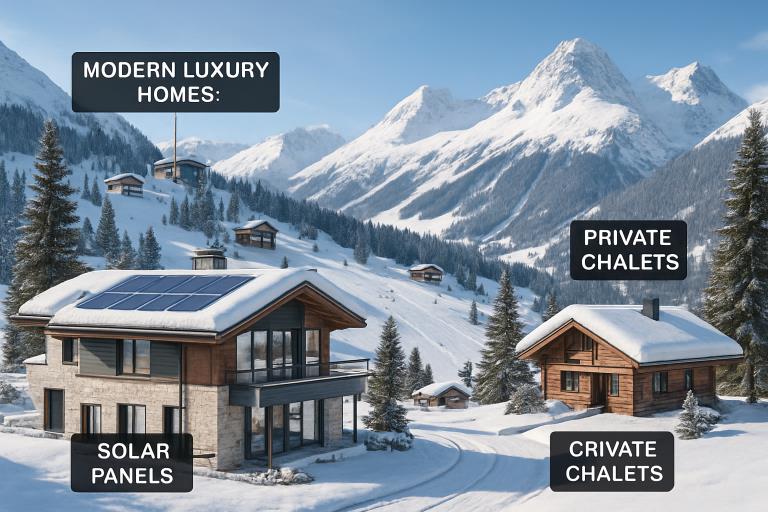
Luxury mountain living has entered a new era shaped by innovative ski resort communities that blend timeless alpine charm with cutting-edge amenities. In recent years, the expectation for mountain residences has evolved beyond classic chalets to estates that offer a seamless blend of sophistication, convenience, and eco-consciousness. The demand for elevated experiences has spurred significant growth in exclusive mountain neighborhoods such as the luxury resort community in Deer Valley East Village, where modern comforts are paired with breathtaking landscapes and direct access to world-renowned slopes.
These mountain enclaves now redefine what it means to live luxuriously in high-altitude retreats. Residents are seeking properties that not only boast unparalleled scenery and access to outdoor recreation, but also feature the latest in lifestyle technology, wellness amenities, and thoughtful design. This transformation is making ski resort communities among the most desirable destinations for buyers looking to invest in both leisure and legacy real estate.
One of the most notable trends is the rise in demand for full-service properties that integrate wellness spas, private chefs, and concierge experiences alongside sustainability-focused infrastructure. Developers are responding by expanding the curated offerings and crafting environments where families and individuals can thrive in all seasons—not just during ski season.
Furthermore, as global mobility becomes easier for affluent buyers, the ability to travel conveniently between urban centers and secluded mountain getaways has become a key factor in the appeal of luxury ski properties. The evolution of mountain living now centers on seamless connectivity, privacy, and curated community experiences.
The Rise of Luxury Developments in Ski Resorts
Across the world’s premier ski destinations, exclusive developments are reshaping the landscape of mountain real estate. In the French Alps, locales such as Méribel and Courchevel are experiencing an influx of new luxury accommodations, featuring everything from ski-in/ski-out penthouses to fully serviced chalets. These homes primarily cater to international buyers, offering dual appeal as both personal sanctuaries and investment properties with lucrative rental opportunities. High levels of customization, private amenities, and effortless access to world-class skiing continue to fuel their desirability, as reported by leading publications like Le Monde.
Embracing Smart Home Technology
Technological advancement is becoming a cornerstone of the modern ski resort residence. In Colorado’s Summit and Eagle Counties, a new breed of mountain homeowner is emerging—one who values both tradition and innovation. These owners are upgrading classic alpine chalets with smart home features that streamline daily living, bolster energy efficiency, and provide remote manageability for second homes. Automated heating, intuitive security, and mobile-controlled lighting allow occupants to enjoy peace of mind and premium comfort from anywhere in the world, as demonstrated by the rise in smart home installations.
Proximity to Private Airports Enhances Accessibility
Accessibility is becoming paramount in the selection of luxury ski homes. The convenience of private aviation has introduced a new level of ease for jet-setting homeowners, particularly in high-end developments like Deer Valley East Village in Park City. The ability to arrive directly from major metropolitan hubs at a mountainside property, often within hours, appeals to buyers who value both time and discretion. As Resident Magazine notes, proximity to private airports has become a defining amenity that significantly boosts the appeal and value of alpine real estate, positioning these resorts at the forefront of luxury travel trends.
Year-Round Lifestyle Appeal
Today’s luxury ski resort communities are intentionally designed for year-round enjoyment. Locations like Park City are driving this transformation by curating a dynamic lifestyle, where outdoor recreation and cultural events abound in every season. Winter offers world-class skiing, while the summer months bring hiking, biking, festivals, and vibrant culinary scenes. This diversification has shifted the narrative around mountain living—from a seasonal retreat to a true four-season haven ideal for work, play, and wellness.
Sustainable Practices in Mountain Living
Environmental stewardship is now a guiding principle in the development of modern ski resort communities. A growing number of resorts are adopting green building standards, incorporating renewable energy sources, and investing in robust waste management and conservation efforts. In many cases, developers and homeowners alike are prioritizing low-impact construction and supporting local ecological initiatives to minimize carbon footprints while preserving precious alpine environments. This commitment not only resonates with environmentally conscious buyers but also ensures that mountain regions remain unspoiled for generations to come.
Challenges and Considerations
Despite their allure, luxury ski resort communities face several ongoing challenges. Rapid development of high-end real estate can exacerbate housing shortages for residents and seasonal workers, raising concerns about inclusivity and the preservation of local culture. Additionally, as resorts cater to an increasingly exclusive clientele, public access to mountain spaces and recreational opportunities can become restricted. Communities must strike a balance between growth and exclusivity, while also addressing the need for affordable housing and promoting community well-being. Recent debates over resort expansion in places like Lake Tahoe have brought these issues to the forefront of public discussion.
Conclusion
The transformation of ski resort communities is fundamentally changing the standards for luxury mountain living. With a focus on innovative amenities, seamless connectivity, and sustainability, these developments represent the future of high-altitude real estate. As buyer preferences evolve and demand surges, striking a careful balance between privilege, environmental responsibility, and inclusive community values will be crucial to ensuring the lasting success and vitality of the world’s most desirable mountain destinations.