Now Reading: How Safe Are Bicycle Lanes?
-
01
How Safe Are Bicycle Lanes?

Key Takeaways:
- Protected bike lanes significantly increase cyclist safety and encourage more people to commute by bike.
- Proper design and maintenance of bike lanes are crucial to their effectiveness.
- Community involvement and education play vital roles in enhancing the safety of bicycle lanes.
The Importance of Bicycle Lanes
Bike lanes are a crucial step toward safer, more accessible city spaces. They are specially carved out on busy streets to give cyclists a dedicated route, clearly marked and usually separate from regular car traffic. This essential infrastructure aims to protect cyclists from the dangers of sharing the road with cars and trucks, significantly reducing the risk of collisions and serious injuries. The presence of bike lanes also signals to drivers that cyclists have a right to be on the road, encouraging mutual respect and increased awareness among all road users.
Across the U.S., cities are increasingly focusing on promoting alternative transportation options to reduce congestion and pollution. As part of this effort, bike lanes not only improve daily commutes for thousands but also motivate people of all ages and skill levels to choose this healthy, eco-friendly mode of travel. For cyclists involved in an accident, legal support can be vital. Consulting a professional, such as the one at https://www.855dolor55.com/miami-lakes/bicycle-accident-lawyer/, can greatly aid in understanding the next steps and obtaining fair compensation.
Communities with well-developed cycling infrastructure often experience increased local business, improved air quality, and a more lively, active street scene. This ripple effect shows why high-quality bike lanes benefit not just daily users but also enhance the livability and attractiveness of neighborhoods. Cities like Portland, New York, and San Francisco have each shown how bike-friendly initiatives can transform urban life, creating safer, greener, and healthier places to live.
More than anything, bicycle lanes are essential for expanding mobility options for residents who cannot afford a car or choose not to drive. Developing and improving bike lanes is becoming a key element of modern urban planning, prompting city leaders to prioritize safe and inclusive transportation networks for all road users.
Types of Bicycle Lanes
- Standard Bike Lanes:Marked lanes on the road, these feature clear paint demarcations, but do not offer any physical separation from traffic. They provide a visible, designated space for cyclists but rely on the cooperation of drivers for safety.
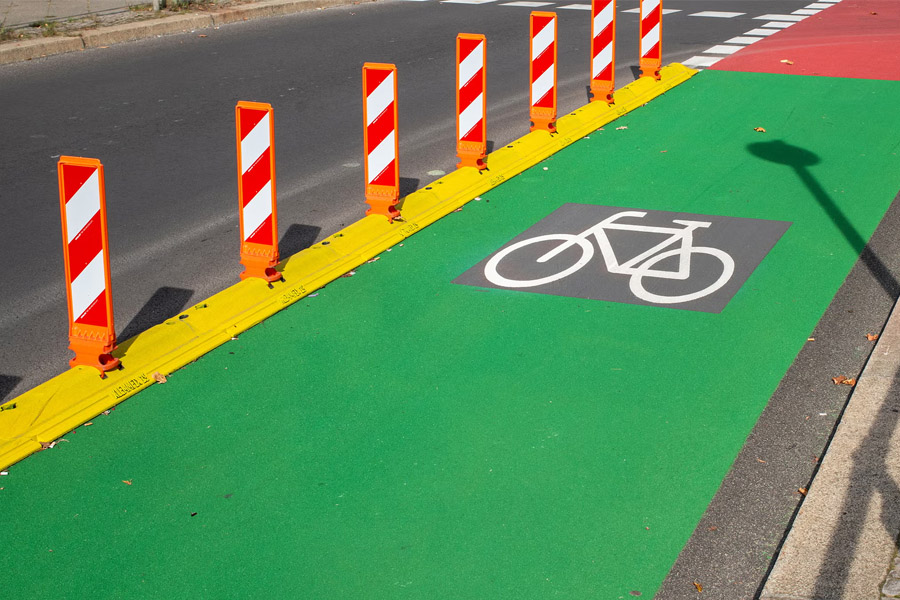
- Protected Bike Lanes:Also called cycle tracks, protected lanes are separated from vehicle traffic by barriers such as raised curbs, flexible bollards, planters, or even parked vehicles. These create a substantial buffer, reducing the risks associated with speeding cars and opening doors.
- Shared Lane Markings (Sharrows):Painted on wider roads where separate lanes aren’t feasible, sharrows alert both motorists and cyclists to the shared use of the lane. While not as safe as dedicated lanes, they improve driver awareness and cyclist presence.
Effectiveness of Protected Bike Lanes
Research overwhelmingly indicates that protected bike lanes are the safest and most effective option for urban cyclists. A landmark study published in Nature Cities found that protected bike lanes are associated with nearly double the number of bike commuters compared to standard bike lanes, and 4.3 times as many as routes with no bike lanes at all. These lanes not only lower the risk of crashes but also encourage more residents to cycle, especially those who may otherwise feel intimidated by busy roads.
Challenges and Considerations
Despite the benefits, implementing and maintaining bicycle lanes brings certain challenges. Ongoing maintenance is required to keep bike lanes free of debris, which, if neglected, can deter usage and even cause hazardous riding conditions. In many communities, funding these maintenance activities remains a significant hurdle. For example, Sunnyvale’s plan for protected bike lanes stalled largely due to budget constraints for regular cleaning and debris removal. Design flaws can also pose safety risks—lanes positioned too close to parked vehicles can increase the likelihood of “dooring” incidents, where a cyclist is suddenly struck by an opening car door.
Driver behavior remains another critical aspect. Education and awareness campaigns targeting motorists are crucial to ensure that drivers respect bike lanes, yield when necessary, and understand their responsibilities in shared road situations. Without proper community buy-in and respect from drivers, even the best-designed bike lanes can be compromised in their effectiveness.
Community Involvement and Education
Success in creating safe cycling environments is often rooted in active community participation. Residents and advocacy groups play a direct role in voicing needs and pushing for safer structures. In San Francisco, activists rallied for protected bike lanes on Arguello Boulevard after a tragic accident underscored the urgent need for better cycling infrastructure. Responsive city governments can channel this community feedback into effective design changes, tailored educational campaigns, and ongoing lane improvements.
Education extends beyond cyclists to drivers as well. Programs that offer free classes on safely sharing the road—like those rolled out in Colorado—equip drivers with practical tips and awareness, directly reducing conflicts and fostering safer travel for everyone. Cities that partner with schools, local businesses, and civic organizations to champion bike safety see more cohesive support and measurable reductions in accidents.
Conclusion
Bicycle lanes, particularly those with protected sections, are a cornerstone of safe, modern cities. They empower individuals, reduce accident rates, and invite more people to choose cycling as a daily habit. However, the true power of these lanes is unlocked only through careful design, ongoing maintenance, robust education, and active community engagement. By investing in these critical areas, urban areas can create streets that are not only safer but also healthier, greener, and more resilient to the challenges of the future.