Now Reading: Building Resilience in Recovery: Strategies for Long-Term Success
-
01
Building Resilience in Recovery: Strategies for Long-Term Success

Key Takeaways
- Resilience is an adaptable skill built through everyday practices and support.
- Connection to others and healthy networks are essential for ongoing resilience.
- Positive self-talk and self-compassion can protect against relapse and emotional setbacks.
- Professional support provides guidance tailored to individual recovery needs.
Recovery from addiction is a transformative journey shaped by both setbacks and successes. At the heart of sustained recovery lies resilience the ability to withstand challenges and keep moving forward, even when times get tough. Whether you’re just entering an Intensive Outpatient Program in Ventnor, NJ, or years into your recovery, resilience serves as the anchor that keeps you grounded and motivated through all phases of healing.
Resilience isn’t just about surviving difficult moments; it’s about thriving despite them. Cultivating resilience involves intentional choices and practices that nurture physical, emotional, and social well-being. This journey is highly personal, but with the right strategies, anyone can strengthen their capacity for lasting recovery.
Understanding Resilience in the Recovery Process
Resilience is often misunderstood as an innate personality trait. Still, research underscores that it’s a set of skills and attitudes, such as optimism, perseverance, and adaptability, that anyone can learn and refine over time. In recovery, resilience equips individuals with the psychological flexibility needed to handle triggers, stress, and even relapses without giving up their progress.
Adaptability is a crucial aspect of resilience, especially when facing high-stress environments or life transitions that threaten to derail recovery efforts. By integrating adaptive thinking and coping mechanisms, people in recovery can maintain balance and hope even during challenging moments.
The Role of Supportive Networks in Recovery
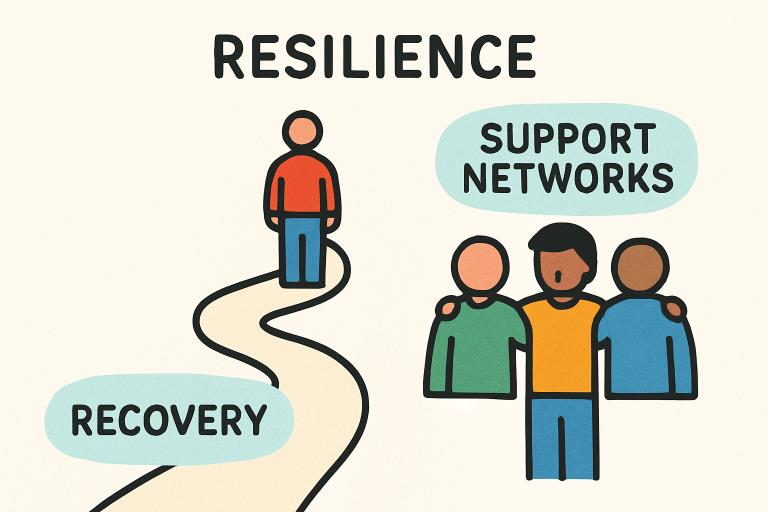
Social connections are powerful buffers against stress and isolation, both of which can undermine recovery. Building a supportive network of friends, family, sponsors, or peers in recovery provides emotional support and practical assistance when needed most. These networks not only offer accountability but also serve as a reminder that no one has to face recovery alone.
Participation in support groups such as 12-step meetings, therapy groups, or community organizations dramatically increases the likelihood of long-term recovery. These safe spaces offer opportunities to share struggles, celebrate victories, and learn from others’ experiences. Studies have shown that social support is one of the most influential factors in sustaining long-term abstinence.
Adopting Healthy Lifestyle Changes
Daily habits play a vital role in reinforcing resilience. Simple lifestyle modifications, such as eating balanced meals, prioritizing sleep, and getting regular exercise, can have profound effects on both mental and physical health. These habits regulate mood, boost energy, and establish routines that create a sense of normalcy and predictability, which are essential for anyone adapting to a new life in recovery.
Finding Joy and Structure Through Hobbies
Pursuing meaningful activities like art, gardening, volunteering, or physical fitness provides outlets for stress relief and self-expression. These hobbies are more than distractions; they are opportunities to discover new passions and rebuild a sense of purpose. This sense of engagement acts as a safeguard against boredom and stagnation, which are notorious relapse triggers.
Practicing Self-Compassion to Promote Growth
Being kind to oneself during setbacks is an essential skill in the recovery toolbox. Self-compassion helps individuals respond to mistakes or relapses with understanding rather than criticism, transforming guilt into a learning opportunity. Techniques such as positive self-talk, mindfulness exercises, and gratitude journaling can help cultivate a gentle inner voice.
Recognizing that recovery is a journey, not a destination, allows space for mistakes and growth. Practicing self-forgiveness and reframing setbacks as steps in learning make resilience not only possible but sustainable.
Learning from Experiences and Reflection
Reflecting on both successes and failures is instrumental in growing resilience. Taking time to process what worked during challenging times and what didn’t equips individuals with improved coping strategies for the future. This reflective process builds self-awareness and strengthens personal insight, both of which are linked to long-term success in recovery.
Setting Realistic and Achievable Goals
Clear goals act as roadmaps in the recovery journey, breaking down what may feel like an overwhelming process into manageable milestones. By focusing on achievable short-term and long-term objectives, progress becomes visible and motivating. Celebrating small victories, whether it’s a week of sobriety or learning a new coping skill, reinforces positive behaviors and boosts confidence.
Adapting When Goals Change
A key part of resilience is the willingness to adjust goals in response to life’s circumstances. Flexibility in goal setting reduces frustration and helps maintain motivation during challenging times.
Seeking Professional Support When Needed
Addiction counselors and therapists are valuable allies in building resilience. Professionals can provide personalized strategies for coping and guide individuals through underlying emotional or psychological issues that may interfere with recovery. Therapy offers a confidential, non-judgmental space to explore difficult emotions and set realistic recovery plans.
Accessing professional help is a sign of strength. Early intervention and ongoing professional support are closely associated with greater resilience and long-term recovery success.
Conclusion
Building resilience is a lifelong, dynamic process, especially within the context of addiction recovery. By cultivating supportive connections, practicing healthy habits, nurturing self-compassion, reflecting on experiences, setting realistic goals, and seeking professional guidance, individuals can develop the tools necessary to face challenges head-on. Embracing these foundational strategies not only makes sustained recovery attainable but empowers people to thrive as they move forward confident, prepared, and resilient.