Now Reading: The Rise of Earned Wage Access: How Daily Pay is Changing the Workforce
-
01
The Rise of Earned Wage Access: How Daily Pay is Changing the Workforce

Key Takeaways
- Earned Wage Access (EWA) is revolutionizing payroll by giving employees on-demand access to their earned wages.
- The adoption of EWA can significantly reduce employee financial stress, boost satisfaction, and improve retention.
- Regulatory environments for EWA are evolving, requiring employers and providers to stay compliant and transparent with users.
- Understanding both the benefits and the criticisms of EWA is crucial before implementation.
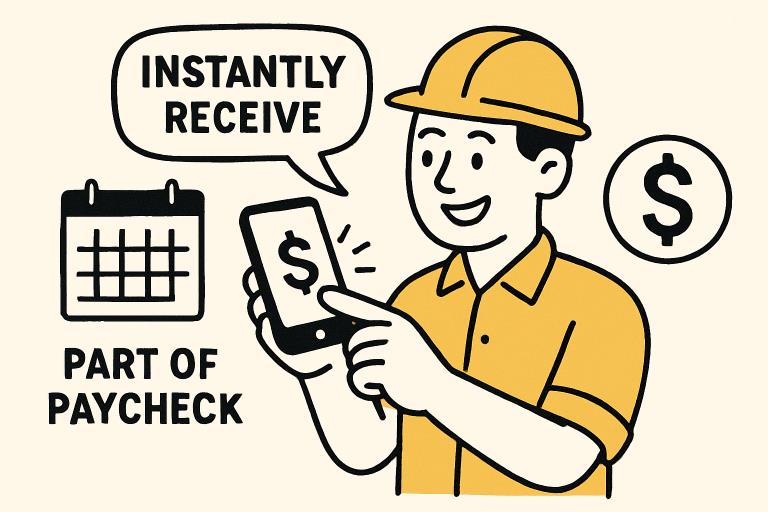
The relationship between employers and employees is undergoing a profound shift as workplace dynamics and financial expectations evolve. Traditional bi-weekly or monthly payroll processes are increasingly at odds with modern financial demands. In response, a growing number of businesses are exploring on-demand pay through a new model called Earned Wage Access (EWA). Instead of waiting until payday, EWA allows employees to access a portion of their earned income whenever they need it, addressing urgent cash flow needs and unforeseen expenses.
As demand rises, the competitive landscape of earned wage access providers is rapidly expanding. Organizations seeking to improve financial wellness and stand out as progressive employers are closely examining these options to support their workforce and reduce turnover. The prevalence of EWA reflects the lived realities of employees in an economy where timely access to wages can make a significant difference to their financial health.
Understanding Earned Wage Access
Earned Wage Access is not a loan system but a platform that empowers employees to access part of their wages as they accrue, not just at payday. For hourly workers facing unpredictable expenses, the ability to bridge cash flow gaps without resorting to high-interest credit products can be game-changing. According to a PYMNTS report, around 77% of workers prefer instant wage disbursement when the option is available.
These services have proliferated across sectors, especially in industries with high turnover, such as hospitality, retail, and healthcare. EWA doesn’t just serve employees; it also serves as a valuable tool for businesses contending with the challenges of recruiting and retaining talent in a competitive labor market.
Benefits for Employees
For many workers, financial flexibility and security are the biggest motivators for EWA adoption. With early access to wages, employees can avoid paying overdraft fees, late payment penalties, or resorting to predatory payday lenders. This translates into tangible improvements in financial well-being and reduces overall stress. Groundbreaking research by Arizent found that 80% of DailyPay users reported improved financial habits, and a remarkable 69% paid fewer late fees with EWA compared to traditional payroll alone. Additionally, 62% of respondents said they now incur less credit card interest.
This improved cash flow helps employees manage daily expenses, contribute more effectively to savings goals, and experience a reduction in the cyclical anxiety that comes with living paycheck to paycheck. These positive changes ripple into other aspects of life, such as physical and mental health, family stability, and professional focus.
Advantages for Employers
Employers have much to gain from implementing EWA solutions. Providing employees with more control over their earnings is an attractive benefit that demonstrates a genuine commitment to their well-being. This, in turn, fosters increased loyalty. Companies that offer EWA typically achieve improved recruitment outcomes and higher employee retention rates. In fact, some businesses have reported a 27% increase in average employee tenure, equivalent to almost 40 extra days on the job.
Offering EWA can also strengthen employer branding, especially in sectors facing labor shortages. As EWA becomes a sought-after benefit, it sets organizations apart as modern, worker-centric employers. This results in lower turnover costs, better productivity, and improved morale throughout the workforce.
Implementation Considerations
Despite the enthusiasm surrounding EWA, careful implementation is essential. Employers should ensure that their chosen EWA provider is transparent about fees and supports robust data security. Regulatory compliance is another critical consideration, as different regions and states may classify EWA under varying legal frameworks. Clear internal policies and communication around wage advances and payroll deductions can also prevent confusion and misuse.
Companies must also educate staff on how EWA works to ensure employees aren’t put at risk of overusing the feature and compounding financial strain. Partnering with reputable providers and ongoing monitoring of usage patterns and employee feedback are vital for long-term success.
Potential Drawbacks and Criticisms
While most EWA services aim to promote employee financial health, critics argue that, in some cases, EWA can replicate the pitfalls of payday lending. Concerns typically center around high transaction fees or hidden costs, which could trap vulnerable workers in cycles of dependency if not properly regulated or explained. As CNBC highlighted in an analysis, some experts have described certain EWA products as “payday lending on steroids.”
For both employees and employers, understanding all associated costs, terms, and safeguards in place is crucial. Employers should select EWA partners that prioritize worker education, low fees, and financial literacy tools to protect vulnerable populations and build lasting financial resilience.
Regulatory Landscape
The legal and regulatory environment surrounding EWA is evolving rapidly. Different states and countries take diverse approaches: some treat EWA as a consumer loan product, while others recognize the distinction between wage access and indebtedness. This patchwork of regulations can make implementation challenging for employers operating across multiple jurisdictions.
Regulators are beginning to scrutinize fees, transparency, and user protections, with some jurisdictions requiring EWA providers to register as lenders. Both employers and earned wage access providers need to stay current with these changes in regulation to ensure compliance and maintain protections for employees. In an environment of rapid innovation, collaboration among policymakers, businesses, and providers will be essential to ensure that EWA remains a force for good.
Final Thoughts
Earned Wage Access is transforming the world of work, bridging the gap between employee earnings and financial well-being. It offers a compelling blend of flexibility and security for workers while giving employers tools to reduce turnover and boost engagement. But adoption must go hand in hand with clear communication, thoughtful selection of providers, and an awareness of the potential pitfalls and regulatory requirements.
As the economy and workforce needs continue to evolve, EWA could well become the new standard in payroll, reshaping financial security and access for millions. By navigating implementation wisely, businesses and employees alike can tap into the positive promise of this change.