Now Reading: Innovative Hotel Trends Redefining the Modern Traveler’s Experience
-
01
Innovative Hotel Trends Redefining the Modern Traveler’s Experience

Key Takeaways
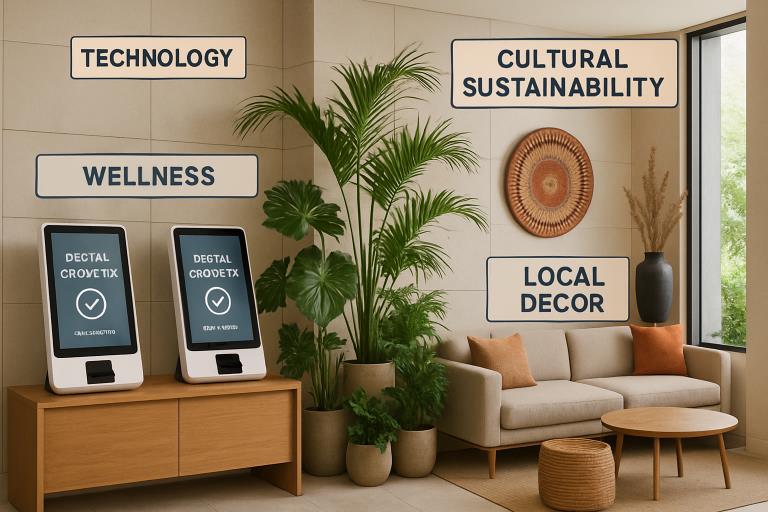
- Smart technology is central to delivering effortless and personalized guest service.
- Wellness-driven amenities are becoming standard for health-conscious visitors.
- Integrating local culture and sustainable practices is essential for authenticity and long-term impact.
In today’s rapidly evolving hospitality industry, hotel operators are embracing forward-thinking strategies to meet the ever-changing preferences of modern travelers. As technology accelerates and guest expectations rise, properties from boutique inns to luxury resorts are exploring new ways to distinguish their offerings. These innovations encompass everything from next-generation digital features to dynamic wellness amenities and eco-conscious initiatives, all designed to create a richer, more personalized travel experience. To keep pace with these changes and ensure facilities are built to support such advancements, many properties are turning to specialized hotel construction contractors in St. George, UT that understand the infrastructure demands of the modern hotel environment.
One of the most pronounced shifts has been the move toward seamless guest service. Today’s travelers aren’t just expecting a comfortable stay; they demand an immersive, bespoke experience that leverages technology and local culture. Forward-thinking hotels are investing heavily in guest-centric innovations, from intuitive mobile apps and AI-driven services to health-focused spaces and environmentally sustainable initiatives, to exceed guest expectations and establish long-term loyalty.
Smart Technology Enhancing Guest Convenience
The digital transformation in hospitality is reshaping how hotels manage daily operations and interact with guests. Artificial intelligence plays a pivotal role, with AI-powered chatbots now acting as round-the-clock concierges, swiftly addressing guest requests, scheduling activities, or recommending restaurants. Meanwhile, property management systems harness guest history and preferences to proactively anticipate needs, such as scheduling airport transfers or suggesting personalized room upgrades, before guests even ask. This intelligent service model doesn’t just simplify the guest experience but elevates it, setting new standards for convenience and attention to detail.
Wellness-Focused Amenities
The rise of wellness tourism has prompted hotels to cultivate environments that prioritize guests’ well-being. From on-site fitness classes and restorative spa treatments to mindfulness meditation sessions, modern hotels are making it easier than ever for travelers to maintain healthy lifestyles on the road. Innovative dining concepts bring wholesome, locally sourced cuisine to the table, while integrated health programs address nutrition, fitness, and mental wellness. These holistic offerings are not just a luxury; they’re becoming a necessity as the wellness travel sector continues to experience rapid global growth.
Embracing Local Culture and Sustainability
Authenticity is now a top priority for the modern traveler. Across the industry, hotels are deepening their connection to place by showcasing regional artwork, local gastronomy, and immersive cultural experiences. By celebrating community traditions and partnering with area artisans, properties appeal to guests’ desire for meaningful, one-of-a-kind journeys.
Sustainability efforts are equally paramount. Eco-forward practices—like renewable energy adoption, waste minimization, and responsible sourcing—are being woven into hotel DNA. These initiatives help reduce environmental impact while resonating deeply with the values of environmentally aware travelers.
Personalized Experiences Through Data Analytics
Perhaps no trend has transformed hotel service more than data-driven personalization. By leveraging guest data, from travel preferences to past complaints or compliments, hotels can create truly individualized experiences. Imagine entering your room pre-set to your favorite temperature, finding a curated welcome amenity based on your tastes, or receiving activity recommendations tailored to your interests. Sophisticated analytics platforms make this possible, turning every touchpoint from pre-arrival through post-stay into an opportunity to impress and delight. The result is stronger guest loyalty and a reputation for going above and beyond standard hospitality.
Flexible Spaces for Work and Leisure
The lines between work and play are blurring, especially as remote work becomes the norm for millions. Hotels are responding by designing flexible environments that serve both professional and recreational needs. Suites double as tranquil workspaces while maintaining comfort and style; co-working areas with advanced connectivity and collaborative lounges offer communal productivity. This “bleisure” model allows guests to seamlessly transition from boardroom meetings to wellness breaks or local excursions, an offering now regarded as essential by today’s global nomads.
Enhanced Safety and Hygiene Measures
Post-pandemic, guest safety and health have become non-negotiable. Contactless check-in and check-out, digital room keys, and robust cleaning protocols now define hospitality best practices. In response, hotels have invested in touchless technologies, in-room HEPA air purifiers, and even telemedicine services, providing peace of mind while maintaining the warm, personal service guests expect. According to a Wall Street Journal report, these policies aren’t just temporary; they’re likely to remain cornerstones of the guest experience for the foreseeable future.
Conclusion
Hotels around the world are fundamentally reimagining the traditional guest experience. From smart hotel innovation and personalized wellness offerings to local immersion and sustainability leadership, today’s hospitality leaders are setting new standards for comfort, engagement, and responsible travel. Integrating these trends not only meets the evolving expectations of guests but also secures a brighter, more sustainable future for the industry as a whole. As technology and culture continue to shape travel, agility and innovation will remain at the heart of successful hospitality operations.