Now Reading: Is Divorce Mediation Right for You? A Massachusetts Guide
-
01
Is Divorce Mediation Right for You? A Massachusetts Guide

Key Takeaways
- Divorce mediation is a collaborative, non-adversarial process guided by a neutral mediator.
- It is often faster, less expensive, and more private than litigation.
- Mediation gives couples greater control over outcomes like custody, support, and property division.
- It may not be appropriate in cases involving abuse, dishonesty, or power imbalances.
- Agreements must follow Massachusetts law and receive court approval to be final.
Understanding Divorce Mediation
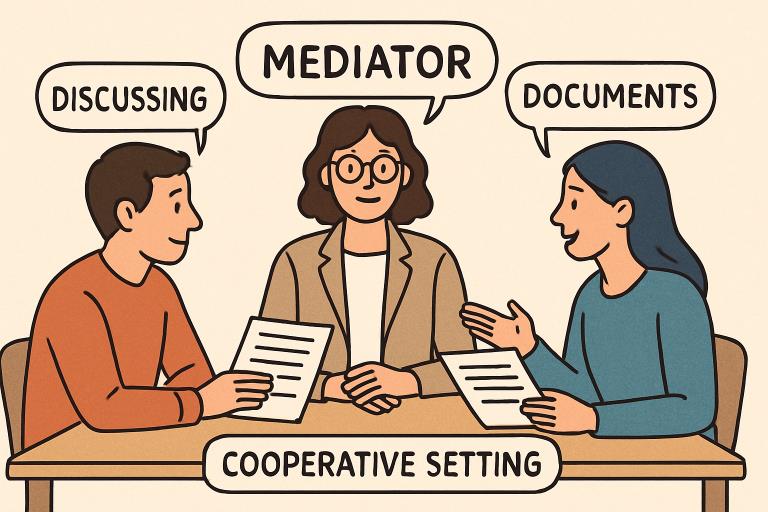
Facing the end of a marriage can be overwhelming, and couples in Massachusetts often seek options that prioritize fairness and cooperation. Divorce mediation is a process that brings a neutral third party to the table to help spouses resolve issues such as property division, parenting arrangements, child support, and alimony. Unlike adversarial litigation, mediation emphasizes respectful, open communication between both parties while prioritizing the interests of the entire family. For those exploring legal guidance, a Massachusetts divorce mediation lawyer can help clarify the process and guide you toward suitable solutions.
Mediation typically occurs in a series of meetings where both spouses, with or without their respective attorneys, work collaboratively with the mediator to achieve mutually agreeable outcomes. This non-confrontational approach not only supports healthier future co-parenting relationships but also significantly reduces the emotional strain that court proceedings can create.
Benefits of Choosing Mediation
- Cost-Effectiveness:Mediation is generally more budget-friendly than traditional divorce litigation. Court battles can quickly escalate legal fees, while mediation offers a practical alternative that can help keep costs manageable for all parties.
- Time Efficiency:Traditional court divorces are often delayed by crowded dockets and complex procedures. In contrast, mediation can significantly shorten the timeline, sometimes leading to a final agreement in a matter of weeks or months rather than years.
- Confidentiality:Unlike litigation that takes place in open court, mediation sessions are private. Sensitive financial, relationship, and child-related details remain confidential, creating a safer, more respectful environment for both parties.
- Control Over Outcomes:Mediation empowers spouses to make their own decisions rather than leaving life-altering outcomes to a judge. Couples in mediation create agreements that reflect their unique circumstances, values, and priorities.
These benefits have made mediation a popular choice for couples seeking a more amicable end to their marriage.
When Mediation May Not Be Suitable
Mediation may not be appropriate for every couple. If there is a history of domestic violence, child abuse, or significant power imbalances, the safety and well-being of all individuals must take precedence, and court intervention may be necessary. Additionally, mediation relies on the honesty and willingness of both participants to negotiate fairly. If one spouse is not acting in good faith, concealing assets, or manipulating the process, mediation may be ineffective. In such cases, the court system provides greater oversight and legal protections for vulnerable parties.
Legal Framework in Massachusetts
Massachusetts law strongly encourages the use of mediation as an alternative dispute resolution method. Mediators operating in the state are expected to have comprehensive knowledge of Massachusetts family law, including child support guidelines, alimony, and property division. According to the Massachusetts Council on Family Mediation, agreements forged in mediation must comply with state statutes and ultimately receive court approval to ensure fairness and legality. This protects both spouses and any children involved throughout the process.
Common Misconceptions About Mediation
Some mistakenly believe that mediators issue legally binding decisions or that mediation could cost more than traditional court cases. In reality, mediators facilitate communication and problem-solving; they do not have the power to impose outcomes. The final agreement is only binding once both parties have approved its terms and the court has reviewed and sanctioned the settlement. Most people find that mediation is not only more affordable but also less time-consuming and less stressful than litigation.
Choosing the Right Mediator
The success of mediation hinges on selecting a qualified and experienced mediator. Start by researching the backgrounds and credentials of potential mediators. Look for professionals with specialized training in family law and demonstrated experience helping couples navigate similar issues. Consulting organizations such as the Massachusetts Council on Family Mediation can provide reputable directories and recommendations. Additionally, reviewing client testimonials and evaluating the mediator’s fee structure can help you make an informed decision.
Steps to Begin Mediation
- Research and Select a Mediator:Begin by looking up mediators in your area who have experience in Massachusetts family law and a solid track record of successful resolutions.
- Schedule an Initial Consultation:Meet with your chosen mediator to discuss your situation and gain a clear understanding of the mediation process and expectations.
- Prepare Documentation:Assemble relevant documents, including financial records, property deeds, account statements, and details of child care or parenting arrangements.
- Engage in Mediation Sessions:Attend each session with openness and a willingness to listen. Actively participate in negotiations and work toward finding common ground.
- Review and Finalize Agreements:Once an agreement is reached, review it carefully, ideally with the support of a qualified attorney, before submitting it to the court for final approval.
Conclusion
Mediation provides Massachusetts families with a compassionate, confidential, and flexible alternative to court-based divorce proceedings. While mediation is not suitable for every situation, it can be a highly effective path for many couples looking to move forward with respect and cooperation. Understanding your options and selecting the right mediator is key to achieving a fair and lasting agreement that meets the needs of everyone involved.