Now Reading: Proactive Measures for Preventing Workplace Accidents in Small Businesses
-
01
Proactive Measures for Preventing Workplace Accidents in Small Businesses

Key Takeaways
- Proactive safety measures can prevent many workplace accidents.
- Regular risk assessments and employee training are essential.
- Establishing clear emergency response plans enhances preparedness.
- Maintaining proper insurance coverage mitigates financial risks.
Ensuring workplace safety remains one of the most critical responsibilities for small business owners. By creating a safe environment, you not only protect your employees but also safeguard your business from operational disruptions and costly claims. Taking practical steps, such as conducting regular hazard assessments, providing comprehensive employee training, and obtaining adequate workers comp policies for small businesses, can effectively minimize the occurrence and impact of workplace accidents.
Proactivity is key. Implementing preventive safety measures and encouraging a culture centered around well-being will not only reduce incident rates but also foster employee trust and improve morale. Small businesses typically operate with limited resources, so mitigating accident costs before they occur is especially important.
Understanding Common Workplace Accidents
Small businesses often face a range of workplace accidents, including slips, trips, falls, and equipment-related injuries. Data from Pie Insurance shows that 75 percent of small businesses experienced workplace injuries in the past year, with about half of those cases considered preventable. Common causes include overlooked hazards, insufficient safety training, or complacency as businesses grow more comfortable with their routines.
Understanding the sources of injuries and incidents can help you focus your safety efforts. Many accidents occur in seemingly low-risk environments, underscoring the need for vigilance across all types of business. Analyzing near-misses and minor incidents can also provide critical insights. Tracking such data regularly enables businesses to refine their practices, develop policies to address evolving risks, and foster greater awareness among all employees. Additionally, industry-specific risks, such as repetitive strain injuries or chemical exposure, should be addressed in your risk management framework.
Conducting Regular Risk Assessments
Routine risk assessments are the backbone of accident prevention. They help business owners and managers identify hazards, prioritize solutions, and implement the right corrective actions. Assessments should cover:
- Evaluating all workplace equipment and processes for hidden or emerging risks
- Reviewing specific employee tasks and workloads to uncover unsafe practices
- Accounting for vulnerable workers or those with specialized safety needs
Documentation is crucial because it allows you to track hazards, monitor mitigation efforts, and communicate clear safety standards.
Engaging employees during risk assessments increases buy-in and can reveal hazards that supervisors might overlook. Consider using easy-to-understand checklists and rotating the responsibility between departments to build a well-rounded perspective. Following up on assessments by acting promptly on recommendations demonstrates your commitment to safety and makes risk reduction a team effort.
Implementing Effective Safety Training
Effective safety training ensures that every employee knows how to prevent incidents and handle emergency situations. For best results, training programs should be:
- Custom-made for your workplace setting and hazards
- Accessible to all employees, including non-English speakers and those requiring alternative formats
- Routinely refreshed to reflect new best practices or identified risks
Involving staff in safety committees and drills can build engagement and make training more impactful. According to the Inquirer, when employees actively participate, safety knowledge becomes ingrained in daily behavior.
Making safety training relevant and interactive is essential for knowledge retention. Using real-life scenarios and hands-on drills, rather than just lectures, helps staff internalize procedures and recognize potential dangers. Encourage regular Q&A sessions and invite feedback on training content. This continuous improvement approach ensures that training evolves alongside your growing business and workforce.
Establishing Emergency Response Plans
Preparedness in emergencies—ranging from fires to medical events—can greatly reduce harm and confusion. Your plan should include:
- Detailed evacuation maps and assembly points
- Clearly designated roles for staff during emergencies
- Reliable systems for communicating with employees before, during, and after an incident
- Routine drills to keep response steps top-of-mind
Effective emergency planning also involves regular reviews and updates to maintain compliance with local regulations and adapt to evolving business needs.
Consider including mental health resources and post-event counseling in your emergency planning, as some incidents can cause lasting stress or trauma. Reviewing local authority recommendations and collaborating with neighboring businesses can enhance your response capabilities, particularly in shared buildings or retail complexes. The more thorough and well-practiced your plan is, the more resilient your team will be in the face of unexpected events.
Maintaining Proper Insurance Coverage
Insurance coverage is essential for small businesses exposed to the risk of workplace accidents. Workers’ compensation provides financial protection by covering employees’ medical expenses and lost wages, ultimately reducing the risk of overwhelming legal and financial consequences. Regularly reviewing your coverage ensures it matches the scale and risk profile of your business.
It is also advisable to consult with insurance professionals to ensure you’re not only compliant with local laws but also protected against unexpected scenarios. Specialized policies, such as liability or disability insurance, may be necessary for certain industries. Promptly updating your policies when hiring new staff or investing in equipment helps maintain appropriate coverage. Proactive management of insurance documentation and claims processes will have long-term benefits for your business stability.
Fostering a Culture of Safety
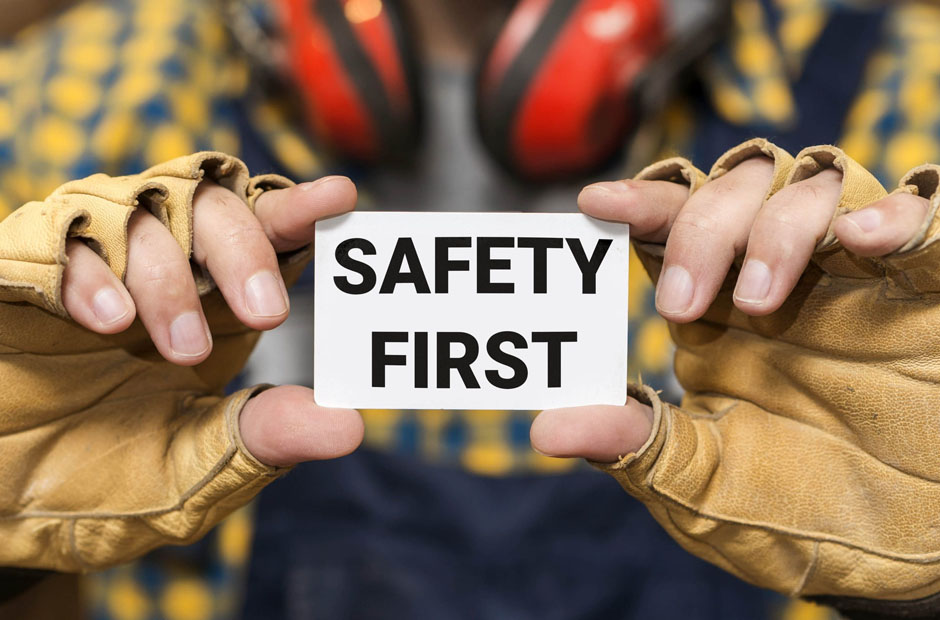
Beyond compliance, a safety-first culture motivates employees to prioritize hazard reduction and look out for one another. Key steps for building this culture include:
- Visible leadership from management, setting clear expectations for safety
- Reward systems that highlight safe choices and behaviors in the workplace
- Open channels for employees to report hazards without fear of retaliation
Focusing on recognition and transparency supports not just safety but overall employee engagement. The National Safety Council offers insights on establishing effective safety cultures in small organizations.
Communicating openly about incidents and near-misses rather than hiding them can foster a learning-oriented environment. Encourage managers to lead by example and reinforce safe behaviors during day-to-day operations. Provide regular feedback so employees recognize how their actions contribute to a safer workplace, and consider celebrating safety milestones together as a team.
Utilizing Technology for Safety Management
Technology makes proactive safety management more accessible and streamlined. Innovations such as AI-based monitoring systems help rapidly identify risks, while digital platforms enable quick reporting and incident tracking. Online training modules also support ongoing staff education, regardless of location. According to the research published on arXiv, incorporating these tools delivers significant benefits for compliance and overall safety performance.
Mobile applications now allow immediate reporting of hazards directly from the floor or worksite, reducing response time and preventing escalation. Automation can simplify compliance recordkeeping, so key safety data is always accessible and up to date. As these technologies continue to evolve, even small businesses can affordably customize safety solutions that grow alongside their needs. Regularly reviewing tech tools ensures that your safety practices remain modern and effective.
Final Thoughts
By proactively addressing potential hazards, conducting assessments, providing robust training, maintaining comprehensive emergency plans, ensuring proper coverage, cultivating a safety-centric culture, and embracing new technology, small businesses are better positioned to prevent workplace accidents. These steps protect both employees and the longevity of your operations, making safety a central pillar for long-term success.
Ultimately, investing in safety delivers more than regulatory compliance; it builds a supportive workplace where employees feel valued, efficient operations are maintained, and your business reputation is preserved. As small businesses continue to adapt to new challenges, integrating these foundational safety strategies will remain imperative for growth and resilience, ensuring you are prepared for whatever comes next.