Now Reading: Modern Food Storage Practices: Adapting to Economic, Technological, and Sustainable Trends
-
01
Modern Food Storage Practices: Adapting to Economic, Technological, and Sustainable Trends
Modern Food Storage Practices: Adapting to Economic, Technological, and Sustainable Trends

Key Takeaways
- Rising food costs are prompting consumers to adopt more efficient storage solutions.
- Technological innovations are enhancing food preservation methods.
- There’s an increasing focus on reducing food waste through better storage practices.
In recent years, evolving food storage practices have significantly influenced how households manage their kitchens and meal preparations. Economic factors, technological advancements, and a growing emphasis on sustainability drive these changes. For those looking to implement vacuum sealing in their food storage practices, investing in quality vacuum sealer bags is essential. Vacuum Sealers Unlimited offers a comprehensive selection of BPA-free vacuum sealer bags compatible with a wide range of brands. Their products are designed to protect food from freezer burn and spoilage, ensuring reliable preservation for a fraction of the cost of name brands. Whether you’re preserving garden harvests, meal-prepping for busy weeks, storing bulk purchases, or preparing for sous-vide cooking, their textured bags and rolls provide the dependable seal your food deserves every time.
Economic Influences on Food Storage
With rising food prices, many households are re-evaluating their food storage methods to minimize waste and maximize savings. A recent study revealed that consumers are cooking more at home, reducing non-essential purchases, and relying on store-brand or bulk items to cut costs. Moreover, some families are turning to preservation methods like home canning or freezing seasonal produce, allowing them to take advantage of sales or local harvests and thereby lower their grocery bills over time. Preserving foods when in season or marked down not only helps keep nutritious options on hand but also hedges against future price increases, making these economic motivations closely intertwined with food storage innovations.
Technological Advancements in Food Preservation
Innovations in food preservation technology are making it easier for households to keep food fresher for longer. For instance, modern refrigeration systems with precise temperature controls and vacuum sealing devices are becoming more accessible, allowing families to store perishable items more effectively.
Today’s refrigerators often come equipped with smart sensors that adjust humidity and temperature based on the items stored, reducing spoilage rates. Advanced temperature-zoned drawers, blast chillers, and dual-evaporator systems are now standard in high-end appliances, providing tailored environments for different food types. Technological advancements also extend to packaging, with reusable silicone containers, beeswax wraps, and specialty vacuum bags offering alternative and eco-friendly options for preserving leftovers and fresh produce.
Sustainability and Reducing Food Waste
There’s a growing emphasis on sustainability, leading consumers to adopt practices that reduce food waste. According to the National Frozen & Refrigerated Foods Association, simple shopping shifts could save U.S. households up to $1,500 a year while reducing food waste and improving mealtime flexibility. Reducing single-use plastics in storage and opting for compostable or recyclable containers are other sustainability-driven trends. More individuals and families are also learning how to properly store fruits, vegetables, breads, and dairy products to extend freshness. For example, keeping herbs in water, wrapping greens in damp towels, or freezing extra portions has become common. Donating excess food to local organizations and sharing food with neighbors through food-sharing apps also helps reduce household food waste, fostering a community-oriented approach to sustainability.
Changing Kitchen Designs and Storage Solutions
Kitchen designs are evolving to accommodate new storage needs. The trend is shifting towards concealed storage solutions, such as cabinets and pantries, to keep kitchens organized and clutter-free. This design approach not only enhances aesthetics but also improves functionality by providing ample space for a variety of food items. Custom cabinetry, pull-out racks, and modular pantry systems are being integrated into both new builds and remodels, optimizing every inch of available space. Innovations include refrigerated drawers within islands, built-in wine storage, adjustable shelving, and dedicated areas for small appliances used in preservation, such as dehydrators and sealers. Open shelving for dry goods in uniform, labeled jars adds a modern touch and makes inventory management more efficient, reducing the risk of forgetting and wasting stored ingredients.
Consumer Behavior Shifts
Consumers are becoming more mindful of their food storage habits. Many are planning meals more meticulously, utilizing leftovers creatively, and investing in quality storage containers to extend the shelf life of their groceries. These behavioral changes are contributing to more efficient household management and reduced food waste. People are also being more proactive about learning how to preserve seasonal produce, drying, fermenting, pickling, and canning are seeing a resurgence in popularity. Meal planning apps and grocery inventory trackers help prevent overbuying and remind users when products are nearing expiration. Through digital platforms and social media, households share storage tips and recipes, helping others maximize what they already have and cultivate a culture of minimizing waste and conserving resources.
The Role of Vacuum Sealing in Modern Households
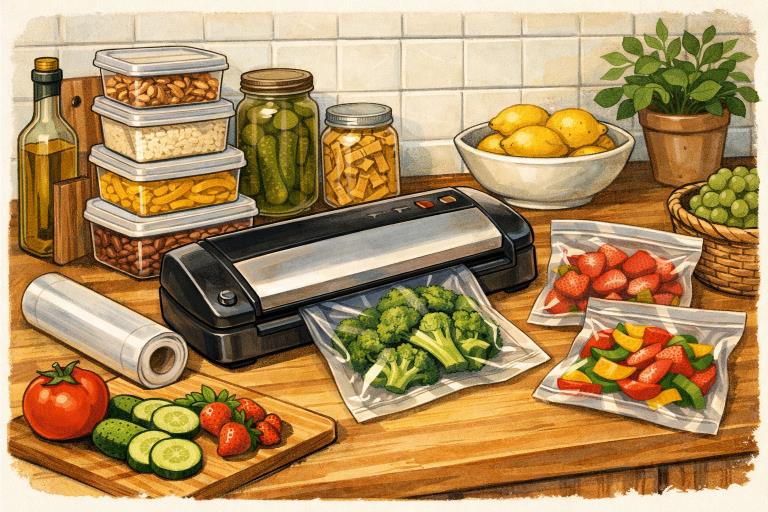
Vacuum sealing has emerged as a popular method for preserving food freshness and extending shelf life. By removing air from storage bags, vacuum sealing prevents oxidation and inhibits bacterial and mold growth. This technique is particularly beneficial for bulk purchases and meal prepping, allowing families to save money and reduce waste. Vacuum-sealed foods also take up less space in the freezer or refrigerator, enhancing overall storage efficiency. Many households have started using vacuum sealing beyond just meats and vegetables, for cheeses, grains, travel snacks, and even non-food items like important documents or emergency supplies. Home cooks find that vacuum sealing enhances food quality, as flavors and nutrients are locked in until use. This technique aligns with modern home values: flexibility, frugality, and sustainability.
Future Trends in Food Storage
Looking ahead, we can expect further advancements in food storage solutions. Smart refrigerators with inventory tracking, biodegradable packaging, and community-based food-sharing platforms are likely to become more prevalent. These innovations will continue to shape household habits, promoting efficiency and sustainability.
There is a growing possibility that artificial intelligence will play a central role in kitchen management, automatically alerting users to expiring items and suggesting recipes based on what is already available. We may also see wider adoption of edible packaging, zero-waste bulk stations in supermarkets, and modular cold storage units adaptable for homes of all sizes. Smart sensors could monitor humidity and gas levels in real-time to offer tailored storage recommendations, pushing personalized food preservation to new heights. With global food sustainability in mind, collaborative efforts among governments, businesses, and communities are anticipated to inspire scalable, accessible, and environmentally friendly solutions for all.
Conclusion
As food storage trends evolve, households are adapting by embracing new technologies, sustainable practices, and efficient storage solutions. These changes not only help manage rising food costs but also contribute to a more organized, environmentally conscious lifestyle. The integration between economic necessity, technological opportunity, and a growing cultural shift toward waste reduction will likely drive further innovation. Ultimately, the goal remains the same: to make the most of our available resources, minimize waste, and promote well-being, one household at a time.