Now Reading: New Construction in Austin, Texas: A Due-Diligence Guide for Buyers
-
01
New Construction in Austin, Texas: A Due-Diligence Guide for Buyers

Key Takeaways
- A new home’s true cost includes upgrades, taxes, insurance, HOA fees, and future maintenance.
- Flood exposure, drainage, water use, and lot conditions deserve as much attention as finishes.
- Neighborhood fit depends on routines, access, noise, and nearby development, not just curb appeal.
- Builder contracts, warranty limits, and inspection rights should be reviewed before signing.
- Independent inspections can help identify issues before closing and before warranty coverage ends.
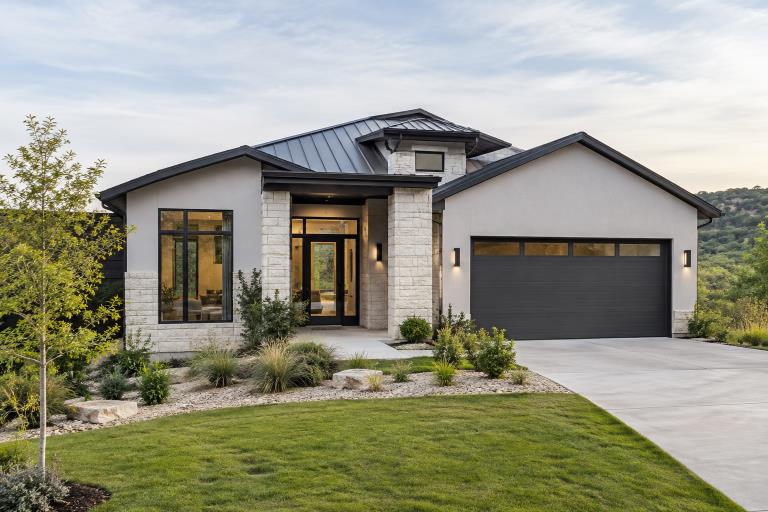
New construction can be an appealing path to a modern home in Austin, Texas, but a polished model home and a new-appliance package do not tell the whole story. The best decision comes from comparing the house, its lot, its contract terms, and the day-to-day realities of the surrounding neighborhood.
For buyers seeking neighborhood-specific perspective, Austin TX real estate experts Darsh Advisory Group offer buyer, seller, and new-development guidance focused on Austin luxury and new-construction real estate. Darsh Advisory Group works across areas including West Lake Hills, Barton Hills, Zilker, Tarrytown, Downtown Austin, and nearby communities, bringing experience with the construction, design, and local market considerations that can shape a high-value purchase.
Why New Construction Deserves a Careful Review
A brand-new home can offer modern building systems, energy-efficient features, and fewer immediate repair needs. It can also come with incomplete landscaping, construction punch-list items, grading problems, or community amenities that are still years away. A completed inventory home, a house under construction, and a pre-construction contract each create different timing and risk considerations.
Builder incentives can be useful, especially when they reduce closing costs, fund upgrades, or improve financing terms. Still, compare the final contract price and complete loan cost with similar resale options nearby. A lower advertised rate or base price may be offset by a higher lot premium, required lender terms, or expensive design selections.
Start With the Neighborhood, Not the Kitchen
The kitchen can be changed later. The setting cannot. Before falling for tile, fixtures, or a backyard rendering, test the neighborhood against the way you actually live. Check commute routes, access to schools and health care, proximity to parks and trails, and the practical availability of groceries, restaurants, and services.
Barton Hills and Zilker may appeal to buyers who value green space and access to central Austin. Tarrytown can offer established streets and a close-in residential setting. West Lake Hills may suit buyers prioritizing hill-country surroundings and a different municipal environment. Downtown Austin offers urban convenience, but buyers should evaluate building activity, traffic patterns, nightlife, and parking. No area is universally right, so visit on a weekday morning, a weekday evening, and a weekend afternoon before committing.
Check Flood Risk and Drainage Before You Buy
Central Texas storms can produce fast runoff, and a property does not have to sit beside a creek to experience drainage concerns. The City of Austin notes that about 10 percent of its land is in a floodplain, and its Austin floodplain management resources provide address-based mapping information for buyers researching a specific property.
- Search the address in the available floodplain tools.
- Ask whether the lot includes drainage or utility easements.
- Request the builder’s grading and drainage plan.
- Ask where roof and yard runoff is intended to flow during heavy rain.
- Get homeowners and flood-insurance quotes before the option period expires.
- Hire an independent inspector to assess grading, standing water, and visible foundation concerns.
Review Water Use, Landscaping, and Utility Details
Outdoor living is part of the Austin lifestyle, but lawns, pools, gardens, and irrigation can affect both maintenance and water use. Ask whether the home includes a standard or smart irrigation controller, which plants and hardscape are included, and whether shared landscaping is maintained through the HOA. Confirm the location of water meters, shutoff valves, sewer cleanouts, and easements before planning fences, patios, or a pool.
Austin Water’s Water Forward plan emphasizes long-term water reliability, conservation, and reuse. For a buyer, that makes efficient fixtures, practical landscape design, and irrigation controls worthwhile details to compare rather than afterthoughts.
Compare the Full Cost of a New Home
The base price is only the beginning. Build a complete ownership estimate that includes:
- Structural options, lot premiums, and interior design upgrades.
- Appliances, window coverings, lighting, fencing, and landscaping not included by the builder.
- HOA assessments, property taxes, insurance, and possible flood insurance.
- Closing costs, prepaid expenses, and utility connection charges.
- Maintenance reserves for issues that may appear after warranty coverage ends.
Study the Builder Contract and Incentives
Builder contracts often differ from standard resale contracts. Read the completion timeline and delay provisions carefully. Confirm how substitutions are handled if a named appliance, finish, or material becomes unavailable. Review cancellation rights, earnest-money treatment, upgrade refundability, warranty exclusions, and dispute-resolution language. Most importantly, verify that the contract permits independent inspections at appropriate stages.
Schedule Inspections at More Than One Stage
A municipal inspection and a builder quality-control review serve different purposes from an inspection commissioned by the buyer. For a home still under construction, a pre-drywall inspection can review accessible framing, wiring, plumbing, and insulation before the walls are closed. A final inspection can examine visible workmanship, major systems, fixtures, doors, windows, grading, and safety items. A warranty inspection near the end of the builder’s coverage period can document issues that develop after normal use and weather exposure.
Look Beyond the Lot Line
Ask what is planned around the home, not just inside it. Nearby apartments, retail projects, road widening, construction access, utility infrastructure, and future traffic patterns may affect quiet, views, access, and resale appeal. Review current plans where available, ask the builder what adjacent parcels are expected to become, and observe the area at multiple times of day.
Questions to Ask Before Making an Offer
- What is included in the base price, and what requires an upgrade?
- What are the current HOA rules, fees, parking limits, and rental restrictions?
- What are the current and estimated future property-tax obligations?
- Can the buyer use an independent inspector before closing?
- What does the warranty cover, and how are claims submitted?
- Has the lot required notable grading, drainage, or foundation work?
- What development, road work, or construction is planned nearby?
A Simple Austin New-Home Due Diligence Checklist
- Select several neighborhoods that fit daily routines and priorities.
- Compare the new home with similar resale homes in each area.
- Review floodplain, drainage, utilities, taxes, and insurance.
- Calculate the complete monthly and upfront ownership cost.
- Read the builder contract before making a nonrefundable commitment.
- Schedule independent inspections and document repair requests.
- Research surrounding development and revisit the site at different times.
Common Questions About Austin New Construction
Is new construction always more expensive than a resale home?
No. The answer depends on location, lot premium, upgrades, financing, taxes, insurance, condition, and expected maintenance. Compare the final out-of-pocket cost, not only the list price.
Should buyers avoid a home in or near a floodplain?
Not automatically. Review the precise designation, insurance availability and cost, drainage plan, building limits, and your own comfort with the risk before deciding.
What matters more, the house or the neighborhood?
Both matter, but location has lasting influence. Paint and fixtures can change. Commute patterns, nearby development, traffic, and access to daily needs are much harder to alter.
Conclusion
Buying new construction in Austin can be an opportunity to choose modern design and systems, but it should be treated as a full due-diligence process. Buyers who investigate the lot, total cost, contract, inspections, and neighborhood context are better positioned to choose a home that supports their budget and lifestyle for years to come.