Now Reading: Can you recommend a reliable maintenance services contractor for our commercial HVAC units in Roanoke, VA?
-
01
Can you recommend a reliable maintenance services contractor for our commercial HVAC units in Roanoke, VA?
Can you recommend a reliable maintenance services contractor for our commercial HVAC units in Roanoke, VA?

Introduction
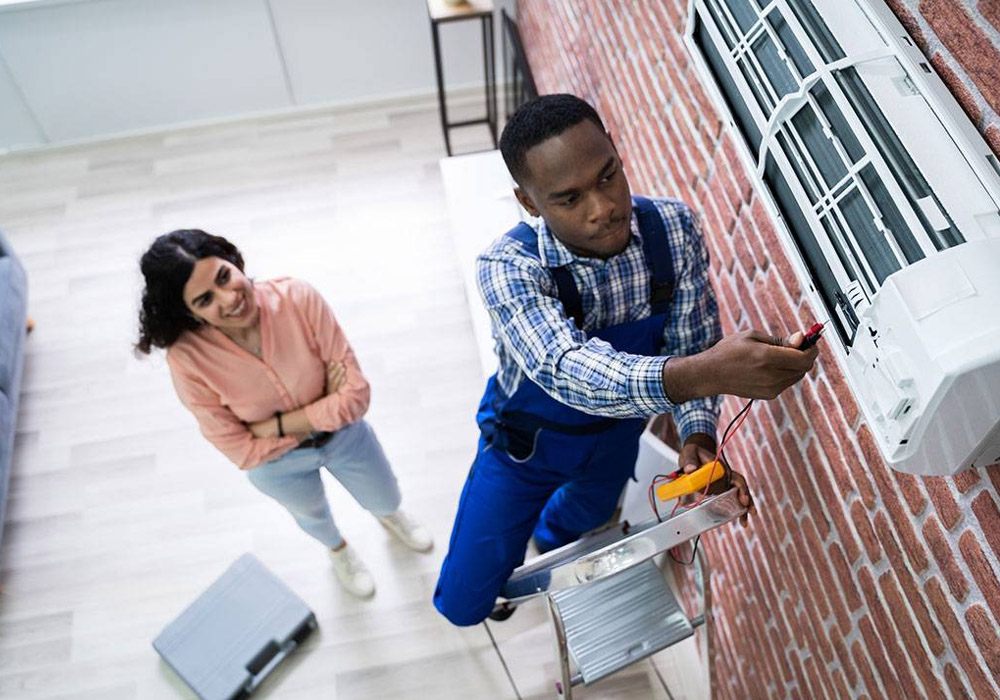
Keeping commercial HVAC units running smoothly in Roanoke, VA, is critical for any business. Unexpected breakdowns can halt operations, affect employee comfort, and lead to significant financial losses. Finding a reliable maintenance services contractor for our commercial HVAC units in Roanoke, VA, is not just about immediate fixes; it’s about ensuring consistent performance and extending equipment life. We understand the challenges businesses face when searching for trustworthy partners to maintain these vital systems. This guide will help you navigate the options and make an informed decision to protect your investment and maintain a comfortable environment, helping you identify the ideal Roanoke HVAC maintenance contractor for your specific operational needs.
For a comprehensive understanding of engineering solutions that support efficient commercial operations, explore our full range of services (Up Link), and for direct consultation on your specific HVAC maintenance requirements, reach out to our experts here (Down Link).
Key Criteria for Selecting a Roanoke HVAC Maintenance Contractor
When seeking a commercial HVAC maintenance contractor in Roanoke, VA, businesses must prioritize several key criteria to ensure they partner with a truly reliable and effective provider. The stakes are high: operational continuity, energy efficiency, and the longevity of significant capital investments depend on this choice. Therefore, our focus should be on a contractor’s proven track record, technical depth, and commitment to client success.
First, consider the breadth of services offered. A top-tier contractor should provide comprehensive solutions, not just reactive repairs. This includes preventative maintenance, emergency services, system diagnostics, and potentially even advanced solutions like building automation integration. The ability to handle diverse commercial and industrial systems, from standard package units to complex chillers and industrial process cooling, indicates a high level of capability.
Second, qualifications and certifications are non-negotiable indicators of expertise. Look for contractors whose technicians hold relevant industry certifications such as NATE (North American Technician Excellence), EPA Universal Refrigerant Certification, and specialized training for specific equipment manufacturers. These certifications demonstrate a commitment to ongoing education and adherence to the highest industry standards. Furthermore, ensure the company itself is properly licensed, insured, and bonded in Virginia. This protects your business from liability and ensures compliance with local regulations.
Third, reliability and reputation are paramount. How can we determine these? Start with client testimonials and case studies, particularly from businesses similar to yours in the Roanoke area. Ask for references and take the time to contact them. Inquire about response times, the quality of work, professionalism of technicians, and overall customer satisfaction. Longevity in the business is often a good sign, indicating a stable operation that has built trust over time. A contractor that has served the region for many years likely understands the unique climate challenges and operational demands of Roanoke businesses. Finally, look for transparency in their proposals and communication. A reputable contractor will clearly outline their services, pricing structures, and maintenance plans without hidden fees or vague language.
Why a Specialized Roanoke HVAC Maintenance Contractor Minimizes Operational Downtime
Operational downtime is a nightmare for any commercial enterprise. In manufacturing, it can mean lost production. In retail, it translates to lost sales and customer dissatisfaction. For offices, it impacts employee productivity and comfort. This is precisely why partnering with a specialized Roanoke HVAC maintenance contractor is crucial. Their expertise goes beyond simple fixes; they focus on proactive strategies designed to minimize, if not entirely prevent, unexpected system failures.
A specialized contractor understands that commercial HVAC systems are often complex, integrated networks vital to a business’s core functions. They implement robust preventative maintenance schedules tailored to the specific demands of your equipment and operational hours. This proactive approach identifies potential issues before they escalate into major breakdowns, allowing for scheduled repairs or replacements during off-peak hours, avoiding disruptive emergency situations.
Furthermore, the availability of 24/7 emergency service is a hallmark of a truly reliable contractor. When a critical system fails, especially outside of regular business hours, a rapid response is essential. A specialized contractor will have dedicated teams on standby, equipped with the necessary tools, parts, and expertise to diagnose and resolve issues quickly. This capability is particularly vital for facilities with industrial process systems or critical environmental controls where even a brief interruption can have significant consequences. Their ability to respond swiftly and effectively directly translates into reduced downtime, protecting your bottom line and ensuring business continuity.
Evaluating the Technical Capabilities of a Roanoke HVAC Maintenance Contractor
The technical capabilities of a commercial HVAC maintenance contractor are a cornerstone of their reliability and effectiveness. For businesses in Roanoke, VA, especially those with large-scale or specialized systems, a contractor’s technical prowess can make all the difference in system performance and longevity. We need to look beyond basic repair skills and delve into their engineering depth and problem-solving abilities.
A highly capable contractor will demonstrate extensive technical expertise across a wide range of commercial HVAC equipment. This includes not only common rooftop units and split systems but also more complex installations such as chillers, boilers, cooling towers, variable refrigerant flow (VRF) systems, and sophisticated building management systems (BMS). Their technicians should possess a deep understanding of thermodynamics, airflow dynamics, electrical controls, and refrigerant management.
For industrial operations, expertise in refrigeration engineering and custom industrial HVAC projects is particularly important. This might involve maintaining low-temperature storage facilities, process cooling systems for manufacturing, or specialized ventilation for cleanrooms. Such projects often require custom engineering solutions, not just off-the-shelf repairs. A contractor with strong engineering support can design modifications, optimize existing systems, and even manage the installation of new, highly specialized equipment. They should be able to offer solutions that improve energy efficiency, enhance indoor air quality, and ensure regulatory compliance. When evaluating, inquire about their experience with systems comparable to yours, their approach to complex diagnostics, and their ability to provide detailed technical reports and recommendations. This level of technical sophistication ensures that your HVAC systems are not just maintained, but optimized for peak performance and efficiency.
Essential Services Offered by Commercial HVAC Specialists
Commercial HVAC systems are complex and critical infrastructure for any business. Therefore, the range of services offered by a maintenance contractor needs to be comprehensive, proactive, and responsive. In Roanoke, VA, a top-tier commercial HVAC specialist provides a suite of services designed to ensure optimal performance, extend equipment life, and maintain a comfortable and healthy indoor environment.
At the core of these offerings is preventative maintenance. This involves scheduled inspections, cleaning, lubrication, and calibration of all components to identify and address minor issues before they escalate. Beyond preventative, many advanced contractors offer predictive maintenance, which uses technology like vibration analysis, thermal imaging, and system analytics to forecast potential failures, allowing for even more precise and timely interventions. This approach minimizes unexpected breakdowns and maximizes operational uptime.
Equipment overhaul services are also crucial for aging systems. Rather than costly full replacements, an overhaul can breathe new life into existing units, improving efficiency and reliability. Controls and building automation are increasingly vital, enabling precise management of temperature, humidity, and ventilation, often leading to significant energy savings. Finally, indoor air quality (IAQ) services, including air filtration upgrades, ventilation assessments, and duct cleaning, are essential for employee health, comfort, and compliance with various industry standards. A comprehensive contractor integrates all these services to provide a holistic approach to commercial HVAC management.
Advanced Solutions and Building Automation
In today’s commercial landscape, simply maintaining HVAC units is often not enough. Businesses in Roanoke, VA, are increasingly seeking advanced solutions that go beyond traditional repairs to enhance efficiency, reduce operating costs, and improve overall building performance. A key area for this advancement is building automation.
Building automation systems (BAS) integrate and control various building functions, including HVAC, lighting, security, and access control, from a centralized platform. For HVAC, this means precise control over temperature, humidity, airflow, and scheduling across different zones within a facility. Advanced contractors offer expertise in implementing, optimizing, and maintaining these sophisticated systems. This includes programming custom control sequences, integrating new sensors and actuators, and ensuring seamless communication between different system components.
These advanced solutions are fundamental to achieving significant energy cost reductions. By intelligently managing HVAC operations based on occupancy, time of day, and external weather conditions, BAS can dramatically minimize energy waste. Contractors specializing in these areas can perform system retrofits, upgrading older, less efficient control systems to modern, internet-connected platforms. They can also implement energy-conservation solutions such as demand-controlled ventilation, optimized start/stop routines, and fault detection and diagnostics. The result is not only lower utility bills but also improved comfort, better indoor air quality, and enhanced operational insights through data analytics. Partnering with a contractor proficient in building automation ensures your commercial HVAC system is not just working, but working smarter.
Industrial Refrigeration and Process Cooling
For many industrial and manufacturing facilities in Roanoke, VA, HVAC needs extend far beyond comfort cooling. Industrial refrigeration and process cooling systems are often mission-critical, directly impacting production processes, product quality, and safety. This specialized area demands a contractor with distinct expertise in refrigeration design, installation, and maintenance.
Industrial refrigeration systems, used for applications like cold storage, food processing, and pharmaceutical manufacturing, operate at much lower temperatures and typically involve more complex refrigerants and equipment than standard commercial HVAC. A skilled contractor in this field understands the intricacies of ammonia refrigeration, cascade systems, and large-scale chillers. Their services include precise temperature control, leak detection, compliance with stringent environmental regulations, and energy optimization for these high-energy-consumption systems.
Process cooling, on the other hand, involves removing heat generated by industrial machinery or processes to maintain optimal operating temperatures. This can range from cooling data centers and server rooms to managing the temperature of hydraulic fluids, welding equipment, or chemical reactions. Contractors offering these services must possess strong custom engineering capabilities. They can design and implement tailored solutions, including specialized chillers, cooling towers, heat exchangers, and pumping systems, to meet unique industrial demands. Their expertise ensures that critical processes run efficiently, preventing equipment damage, maintaining product integrity, and avoiding costly production interruptions. When selecting a contractor for industrial refrigeration or process cooling, their specific experience and engineering depth in these highly specialized fields are paramount.
Benefits of Preventative Maintenance Agreements for Facility Managers
For facility managers in Roanoke, VA, managing commercial HVAC systems can be a complex and demanding task. One of the most effective strategies for simplifying this responsibility and ensuring optimal performance is entering into a preventative maintenance agreement with a reliable contractor. These agreements offer a multitude of benefits that extend far beyond simply avoiding breakdowns.
Firstly, preventative maintenance agreements significantly extend equipment lifespan. Regular inspections, cleaning, and timely repairs address wear and tear before it leads to catastrophic failure. This proactive approach delays the need for costly equipment replacement, maximizing the return on your initial investment. Secondly, these agreements are instrumental in maximizing energy efficiency. Well-maintained HVAC systems operate at their peak, consuming less energy to achieve desired temperatures. This translates directly into lower utility bills and a reduced carbon footprint, aligning with sustainability goals.
Thirdly, maintenance agreements often include priority service. This means that in the event of an unexpected issue, your facility receives expedited attention, minimizing downtime and disruption. Many agreements also offer discounted rates on parts and labor for repairs outside the scope of routine maintenance, providing budget predictability. Furthermore, regular maintenance ensures better indoor air quality, which is crucial for employee health, comfort, and productivity. By partnering with a contractor through a comprehensive agreement, facility managers can shift from a reactive, crisis-driven approach to a proactive, strategic one, ensuring reliable and efficient operation of their critical HVAC infrastructure.
Maximizing Energy Efficiency and Reducing Operational Costs
In today’s economic climate, maximizing energy efficiency and reducing operational costs are top priorities for businesses across Roanoke, VA. Commercial HVAC systems are often one of the largest consumers of energy in a facility, making them a prime target for efficiency improvements. Regular preventative maintenance, facilitated by a comprehensive agreement, is the most effective strategy to achieve these goals.
When HVAC systems are consistently maintained, every component operates as intended. This means coils are clean for optimal heat exchange, filters are clear for proper airflow, refrigerants are at correct levels, and controls are accurately calibrated. Each of these elements contributes to the system’s overall efficiency. For example, a dirty coil can reduce efficiency by a significant percentage, forcing the unit to work harder and consume more energy to achieve the same cooling or heating effect. Similarly, an improperly charged refrigerant system or a malfunctioning thermostat can lead to unnecessary energy waste.
A proactive maintenance program ensures system optimization, regularly tuning and adjusting your units for peak performance. This not only prevents energy-wasting inefficiencies but can also identify opportunities for further savings, such as recommending upgrades to more energy-efficient components or suggesting adjustments to building automation schedules. The cumulative effect of these efforts is substantial energy cost reductions over time. Beyond just lower utility bills, a well-maintained, energy-efficient system also experiences less stress and fewer breakdowns, leading to reduced repair costs and extended equipment life, further contributing to overall operational savings and promoting sustainable operations.
Ensuring 24/7 Operational Continuity
For many commercial and industrial operations, particularly those with critical cooling systems or sensitive processes, ensuring 24/7 operational continuity is not just a preference—it’s an absolute necessity. A sudden failure of an HVAC system can have devastating consequences, from compromised data centers and spoiled inventory to halted production lines and unsafe working conditions. This is where the robust support of a reliable commercial HVAC maintenance contractor becomes indispensable.
A key component of ensuring continuous operation is the availability of 24/7 service and emergency repairs. While preventative maintenance aims to prevent breakdowns, unforeseen issues can still arise. When they do, having a contractor that can dispatch technicians at any hour, any day, is critical. This rapid response capability minimizes the duration of any outage, mitigating potential losses and ensuring that critical systems are brought back online as quickly as possible.
Beyond emergency response, a proactive contractor contributes to business continuity by understanding the unique demands of your facility. They can implement redundancy strategies, monitor critical systems remotely, and provide expert advice on contingency planning. For example, in facilities where a consistent temperature is vital, they might recommend and maintain backup units or specialized monitoring systems that alert them to even minor deviations. Their expertise in diagnosing and quickly resolving complex issues ensures that your operations remain uninterrupted, protecting your assets, productivity, and reputation. Partnering with a contractor committed to 24/7 support means peace of mind, knowing that your essential HVAC infrastructure is always protected.
Frequently Asked Questions About Commercial HVAC Maintenance
Navigating commercial HVAC maintenance can bring up many questions for business owners and facility managers. Here, we address some of the most common inquiries to help you make informed decisions about your systems in Roanoke, VA.
What should be included in a commercial HVAC maintenance agreement?
A robust commercial HVAC maintenance agreement should be comprehensive, tailored to your specific equipment and operational needs. Typically, it should include a detailed maintenance checklist that covers all critical components of your system. This checklist usually involves:
- Scheduled Inspections:Regular, pre-planned visits (e.g., quarterly, semi-annually) to thoroughly examine all units.
- Cleaning:This includes cleaning coils, filters, condensate drains, and fan blades to ensure optimal airflow and heat transfer.
- Lubrication:Oiling moving parts to reduce friction and wear.
- System Testing:Verifying electrical connections, refrigerant levels, thermostat calibration, safety controls, and overall system operation.
- Performance Monitoring:Checking pressures, temperatures, and current draws to identify deviations from normal operating parameters.
- Minor Adjustments:Making small adjustments to optimize performance and efficiency.
- Detailed Reports:Providing written documentation of all work performed, findings, and recommendations for future action.
- Priority Response:Guarantees faster service for emergency calls compared to non-agreement customers.
- Discounted Parts and Labor:Often includes preferential pricing for any necessary repairs or replacement parts.
The best agreements are transparent, clearly outlining the scope of work, frequency of visits, and any exclusions, ensuring you know exactly what to expect.
How often should commercial and industrial HVAC systems be serviced?
The optimal frequency for servicing commercial and industrial HVAC systems depends on several factors, including the type of equipment, its age, its operational runtime, and the environmental conditions of the facility. However, as a general guideline:
- Quarterly Maintenance:For most commercial HVAC systems, quarterly maintenance is highly recommended. This ensures that units are prepared for each change in season (heating in winter, cooling in summer, and transitional periods). It allows for timely filter changes, coil cleaning, and system checks that prevent seasonal breakdowns.
- Seasonal Tune-ups:At a minimum, systems should receive seasonal tune-ups twice a year—once before the heating season and once before the cooling season. This ensures that the primary modes of operation are optimized for efficiency and reliability.
- High-Demand Systems:Systems that operate continuously or in harsh environments (e.g., industrial process cooling, data centers, restaurants) may require more frequent attention, potentially monthly or bi-monthly, due to increased wear and tear.
- Operational Runtime:Facilities with extended operational hours will naturally put more stress on their HVAC equipment, necessitating more frequent checks than those with standard 9-5 operations.
Consulting with a qualified Roanoke HVAC maintenance contractor will allow for a customized schedule based on a thorough assessment of your specific equipment, usage patterns, and critical operational requirements.
What are the signs that a commercial HVAC system needs a retrofit instead of a repair?
Deciding between repairing an existing commercial HVAC system and undertaking a full system retrofit is a common dilemma for facility managers. While repairs address immediate issues, a retrofit involves upgrading or replacing significant components to improve overall performance, efficiency, and longevity. Here are key signs that suggest a retrofit might be a more prudent investment than continued repairs:
- Equipment Age:If your commercial HVAC units are significantly past their expected lifespan (typically 15-20 years for many commercial systems as of July 2026), the components are likely outdated and less efficient. Continual repairs on an aging system become a diminishing return.
- Frequent Breakdowns:If your system requires increasingly frequent repairs, especially for different components, it indicates systemic issues. The cost of these ongoing repairs can quickly accumulate, often surpassing the long-term value of a retrofit.
- Energy Inefficiency:A noticeable increase in energy bills without a corresponding change in usage patterns is a strong indicator that your HVAC system is losing efficiency. Older systems often consume significantly more energy than modern, high-efficiency models. A retrofit can introduce new technologies that drastically reduce energy consumption.
- Poor Performance & Comfort Issues:If the system struggles to maintain consistent temperatures, has hot or cold spots, or provides inadequate dehumidification, it may be undersized, improperly designed, or simply too old to meet current demands. A retrofit can address these fundamental performance issues.
- High Repair Costs:When the cost of a single major repair approaches a significant percentage (e.g., 30-50%) of the cost of a new system, it’s often more economical to invest in a retrofit that offers long-term benefits.
- Obsolete Parts:If replacement parts for your current system are becoming difficult or impossible to find, a retrofit becomes a practical necessity.
- Environmental Concerns:Older systems may use refrigerants that are being phased out due to environmental regulations. A retrofit can update your system to use more environmentally friendly alternatives.
A thorough assessment by an experienced HVAC contractor can help you weigh the costs and benefits of repair versus retrofit, guiding you toward the most cost-effective and beneficial solution for your Roanoke facility.
Conclusion
Choosing a reliable maintenance services contractor for your commercial HVAC units in Roanoke, VA, is a strategic decision that impacts your business’s operational efficiency, financial health, and environmental footprint. We’ve explored the critical factors to consider, from the depth of technical expertise and the range of essential services offered to the invaluable benefits of preventative maintenance agreements.
By prioritizing contractors who demonstrate comprehensive capabilities, offer advanced solutions like building automation, and commit to 24/7 operational continuity, you ensure that your commercial and industrial HVAC systems are not just maintained, but optimized for peak performance. Regular, proactive care extends equipment lifespan, maximizes energy efficiency, and significantly reduces the risk of costly, disruptive breakdowns.
This isn’t just about finding a service provider; it’s about establishing a long-term partnership with a trusted expert in facility management. A well-chosen Roanoke HVAC maintenance contractor becomes an integral part of your team, dedicated to safeguarding your investment, ensuring the comfort and safety of your occupants, and contributing to the overall success and reliability of your industrial HVAC systems for years to come.