Now Reading: A Seasonal Pest-Prevention Checklist for Homes After Weather Swings
-
01
A Seasonal Pest-Prevention Checklist for Homes After Weather Swings

The weather can quickly change pest activity. A warm stretch after a cold period, days of heavy rain, or an extended dry spell can all send insects and rodents searching for food, moisture, or shelter. For homeowners who want a practical maintenance routine, Pointe Pest Control and other qualified local professionals can help identify concerns when basic prevention is not enough.
The most effective approach is to stay ahead of the season rather than react after pests have established themselves. Use this checklist to inspect vulnerable areas, address moisture and food issues, and catch early warning signs before a small problem spreads throughout the home.
Why Weather Swings Change Pest Activity
Pests respond to the same basic needs throughout the year: food, water, stable temperatures, and protected nesting spaces. A sudden cold can drive mice, rats, spiders, and overwintering insects toward buildings. Heavy rain may flood nests or saturate soil, displacing ants and other ground-dwelling pests. Dry weather can make dripping pipes, pet bowls, and shaded landscaping more attractive. A recent seasonal pest forecast also notes that milder conditions can extend activity later into fall and winter in many regions.
Spring: Seal Gaps Before Activity Rises
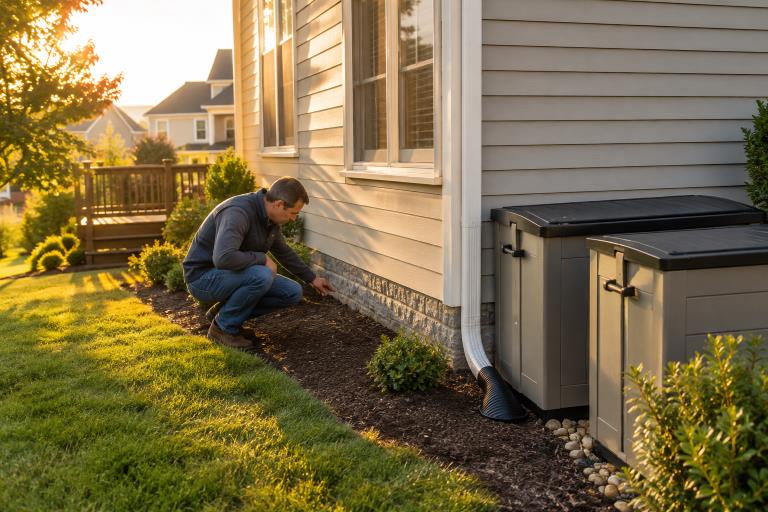
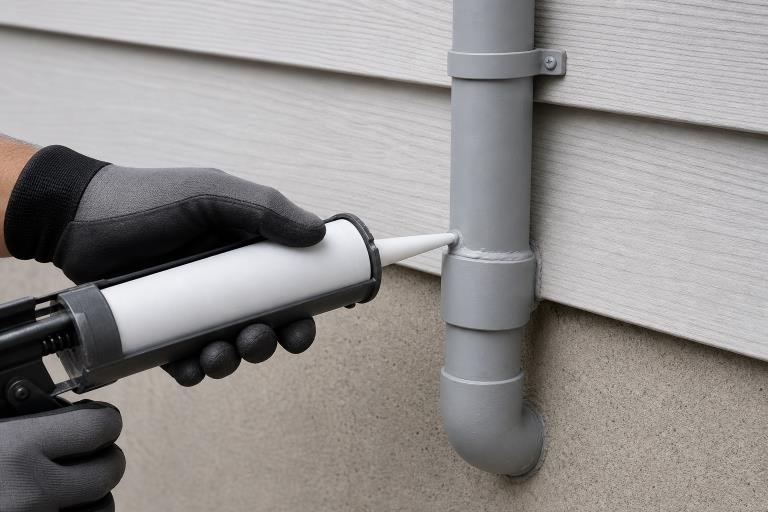
Spring is an ideal time to inspect the exterior before warm-weather pest activity accelerates. Walk slowly around the foundation and check for cracks, loose siding, damaged caulk, gaps around window frames, and worn door thresholds. Repair torn screens and replace flattened door sweeps to reduce the number of ways flying and crawling pests can get inside.
- Clear wet leaves, branches, and other debris away from exterior walls.
- Clean gutters and make sure downspouts direct water away from the foundation.
- Look for ant trails, discarded insect wings, mud tubes, webbing, or small droppings.
- Address damp wood, rotted trim, and standing water before they become shelter or breeding areas.
Summer: Reduce Food, Water, and Breeding Sites
Heat and humidity can accelerate reproduction in many pests. Focus on eliminating the easy resources that keep them close to the house. Empty water from buckets, toys, planters, tarps, and birdbaths regularly. Keep outdoor trash cans closed, rinse spills from their lids, and clean grills, patios, and outdoor dining spaces after use.
- Store pet food, birdseed, and pantry staples in sealed containers.
- Trim shrubs and tree limbs so they do not touch walls, roofs, or windows.
- Check shaded eaves, deck areas, and sheds for wasp nests, ant activity, and spider webs.
- Keep mulch and dense ground cover from building up directly against the foundation.
Fall: Stop Pests Before They Move Indoors
As outdoor temperatures cool, pests often look for protected indoor spaces. Mice, stink bugs, spiders, and other pests may enter through openings that seem too small to matter. Seal gaps around plumbing pipes, dryer vents, utility cables, chimneys, and exterior wall penetrations. Check weatherstripping around doors and replace damaged pieces before colder weather arrives.
- Store firewood away from the home and raise it off the ground.
- Remove unused boxes, leaf piles, and clutter from garages and sheds.
- Inspect attics, crawl spaces, basements, and wall edges for droppings, nesting material, or chew marks.
Winter: Watch Warm, Hidden Areas
Outdoor activity may slow down during winter, but heated homes still provide reliable food, warmth, and moisture. Pay special attention to kitchens, laundry rooms, garages, basements, and utility spaces. Repair leaks under sinks and around appliances or water heaters, then clean crumbs and grease from behind stoves and refrigerators.
- Use sealed plastic storage bins rather than open cardboard boxes.
- Check quiet storage areas for insect activity, droppings, or damaged packages.
- Listen for scratching or movement in ceilings, walls, and attic spaces.
- Keep garage doors and exterior doors closed when not in use.
A Simple Home Inspection Routine
Repeat this process at the beginning of each season, and after major weather events:
- Walk the exterior:Examine screens, vents, gutters, foundations, doors, and visible utility openings.
- Review moisture:Look for leaks, poor drainage, damp wood, clogged gutters, and standing water.
- Check food storage:Seal dry goods, pet food, and birdseed, then clean hidden crumbs.
- Inspect storage areas:Look behind appliances, boxes, shelves, and stored materials.
- Record changes:Take photos and note where activity appears, especially if it returns.
Common Prevention Mistakes
Avoid treating only the pests you can see while ignoring their entry points, nests, or food sources. Do not seal an opening until you are reasonably sure rodents are not inside. Other common mistakes include leaving firewood or vegetation against walls, overlooking leaks in crawl spaces, and assuming a single cleanup will remove an established infestation. If pesticides are used, follow label directions closely and review pesticide safety guidance before applying any product indoors or around children and pets.
When To Seek Professional Help
Routine maintenance may not solve every situation. Contact a qualified pest professional when activity continues after you address food, water, and entry points; when droppings, nests, or damage appear in multiple rooms; or when pests emerge from walls, vents, outlets, or ceilings. Prompt identification is especially important for termites, bed bugs, stinging insects, and rodents. A thorough inspection should identify the pest, explain the treatment approach, and provide clear safety instructions.
Helpful Seasonal Planning Tips
- Set spring and fall reminders for exterior inspections.
- Keep a simple log of pest sightings and moisture concerns.
- Schedule repairs before peak seasonal activity begins.
- Adjust this checklist for local weather, landscaping, and your home’s design.
Final Takeaway
Pest prevention works best as a consistent routine. Weather swings can shift where pests seek shelter and resources. Still, timely inspections, basic cleanup, moisture control, and minor repairs can help reduce many common household problems before they become more difficult to manage.