Now Reading: How to Prepare for a Major Smile Restoration in Cedarhurst, New York Questions to Ask Before Treatment
-
01
How to Prepare for a Major Smile Restoration in Cedarhurst, New York Questions to Ask Before Treatment
How to Prepare for a Major Smile Restoration in Cedarhurst, New York Questions to Ask Before Treatment

Key Takeaways
- Major restorative treatment should begin with a complete oral health evaluation.
- Patients should understand the purpose, benefits, risks, alternatives, costs, and maintenance needs of every recommended procedure.
- Scans, X-rays, photographs, and bite assessments may help reveal concerns that are not visible during a quick visual exam.
- Recovery, temporary teeth, materials, financing, and follow-up care should be discussed before treatment begins.
- A second opinion can be useful when the plan includes extensive procedures or a substantial investment.
Planning a major smile restoration is a significant health and financial decision for Cedarhurst residents and families throughout the New York area. Whether you are dealing with loose teeth, painful chewing, repeated repairs, missing teeth, or a smile that no longer feels like your own, the best next step is a thorough consultation rather than a rushed choice. For patients exploring full arch dental implants Cedarhurst, Advanced Implant Dentistry And Oral Restoration offers full-arch replacement options in Cedarhurst, including digital planning, guided implant procedures, temporary teeth, and custom final restorations. Its focus on complex implant and prosthodontic care makes the practice a relevant local resource for people considering comprehensive tooth replacement.
A successful treatment plan is not simply about choosing the newest procedure. It should account for the health of your teeth and gums, your bite, bone support, medical history, comfort needs, daily schedule, and long-term ability to maintain the restoration.
Why Careful Planning Matters
A major smile restoration may involve much more than repairing one damaged tooth. Treatment can include gum therapy, extractions, bone grafting, implants, crowns, bridges, dentures, or a combination of approaches completed in stages. The right sequence depends on the diagnosis, not on a one-size-fits-all timeline.
Clear communication also reduces surprises. Patients should feel comfortable asking for plain-language explanations, written estimates, and time to consider their options. The American Dental Association notes that discussions about dental visits can include treatment needs, fees, payment arrangements, and preventive care, all of which are relevant when planning extensive work.
Step One: Prepare Before Your Consultation
Bring information that helps the dental team see the full picture. Before your Cedarhurst consultation, make a short list of your main concerns and how they affect everyday life.
- Note pain, loose teeth, chewing difficulty, bite changes, or appearance concerns.
- Bring a current medication list, allergy information, and details about major health conditions.
- List previous crowns, bridges, dentures, implants, root canals, or gum treatment.
- Bring recent dental records or images if you have access to them.
- Write down questions about treatment timing, recovery, sedation, cost, and work restrictions.
Step Two: Understand What the Evaluation May Include
A full evaluation commonly includes an examination of the teeth and gums, a review of medical history, and an assessment of how the upper and lower teeth meet. Bite problems, tooth wear, jaw discomfort, and uneven pressure can influence how a restoration should be designed.
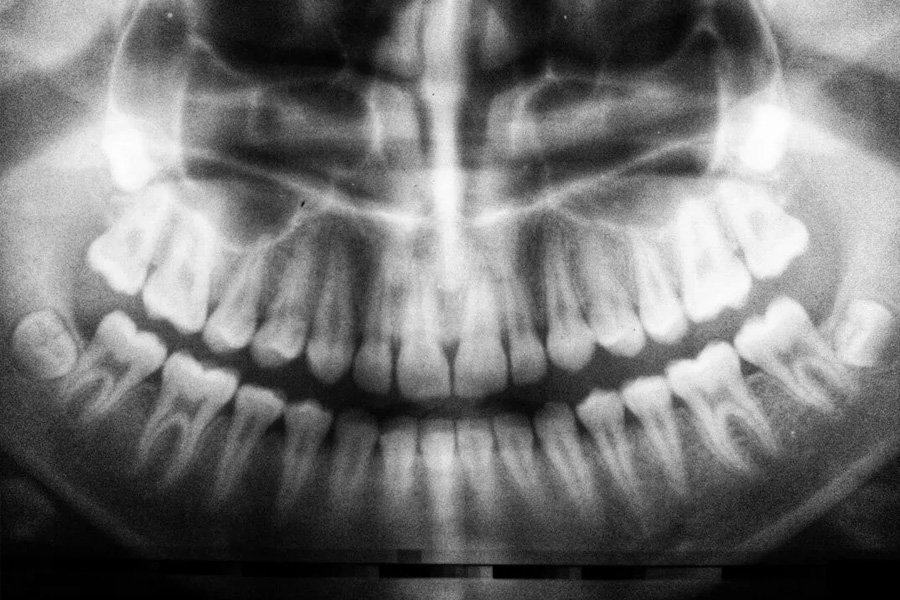
Depending on your needs, the dentist may recommend X-rays, digital scans, photographs, or three-dimensional imaging. These tools can help assess tooth roots, bone levels, anatomy, and areas hidden below the gumline. A treatment plan should be based on clinical findings and function, not appearance alone.
Step Three: Ask Why Each Treatment Is Recommended
A recommendation should begin a conversation, not end one. Ask these questions before agreeing to major treatment:
- What specific problem is this treatment meant to address?
- Which teeth can be preserved, and why?
- What may happen if I delay treatment?
- Are there less extensive or removable alternatives?
- What are the important risks, limitations, and expected maintenance needs?
- How could this treatment affect chewing, speech, comfort, and appearance?
Step Four: Compare Restoration Paths
More than one solution may be appropriate. Tooth preservation can include fillings, root canal treatment, or crowns when a tooth has a healthy enough foundation. Fixed restorations, such as crowns and bridges, remain in place. Removable dentures can be taken out for cleaning. Implant-supported restorations use implants to support crowns, bridges, or dentures when a patient is an appropriate candidate.
For people with several failing teeth or extensive tooth loss, full-arch treatment may enter the discussion. It may involve a fixed or removable replacement arch, implant placement when indicated, temporary teeth during healing, and a final prosthesis. The FDA advises patients considering dental implants to discuss candidacy, benefits, risks, healing, and the specific implant system being used with their dental provider.
Step Five: Discuss Technology, Comfort, and Recovery
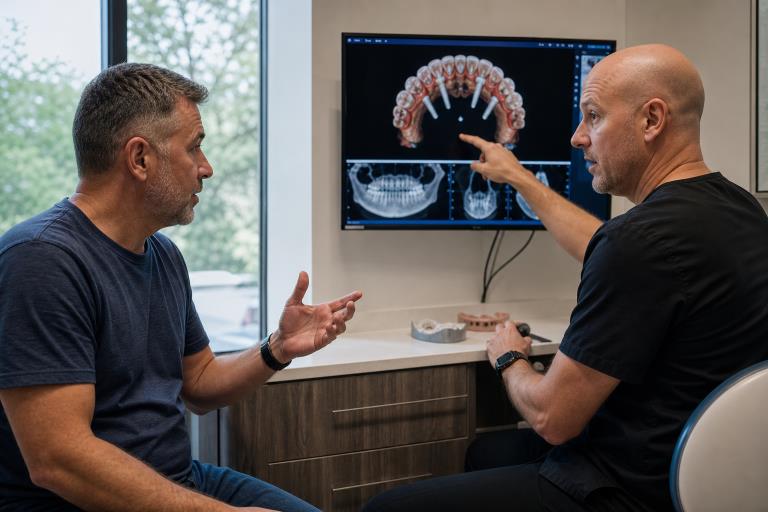
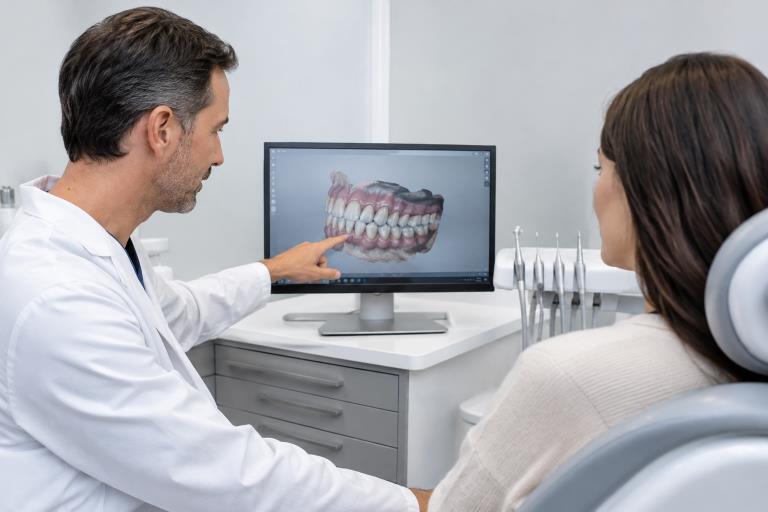
Ask whether digital scans or cone beam imaging will be used and how the team will plan implant positions, tooth shape, bite balance, and smile appearance. Also ask who will design and fabricate the final restoration, whether temporary teeth are expected, and how adjustments will be handled if the bite or fit needs refinement.
Comfort planning matters just as much. Ask what anesthesia or sedation options may be suitable for your procedure and health history. Confirm how discomfort is typically managed, which foods to avoid during healing, when you can return to work or exercise, and who to contact if you experience persistent pain, swelling, bleeding, or a loose restoration.
Step Six: Review the Full Cost and Long-Term Care
Request a written estimate that separates examinations and imaging, extractions, gum treatment, grafting if needed, implant placement, temporary restorations, final prosthetics, and follow-up visits. Ask about insurance estimates, financing, deposits, cancellation policies, repair costs, and any future maintenance expenses.
Long-term care deserves equal attention. Ask which materials will be used, how to clean around the restoration, whether special brushes or flossing tools are needed, and how often professional maintenance visits are recommended. Find out what happens if a crown, denture, bridge, or implant component needs repair.
When a Second Opinion Makes Sense
A second opinion can be helpful if a plan includes multiple extractions, full-mouth reconstruction, high cost, or recommendations you do not fully understand. It is also reasonable to seek another evaluation if you feel pressured to schedule before you have reviewed alternatives. Another perspective may confirm the diagnosis, identify additional options, or simply give you confidence in your decision.
Simple Consultation Checklist
- What is my main diagnosis?
- Which options are available, and what are their trade-offs?
- What is the treatment sequence and expected recovery for each stage?
- What is included in the total estimate?
- What daily cleaning and professional maintenance will be needed?
- Can I receive the treatment plan and estimate in writing?
Final Thoughts
Major smile restoration should be approached with time, thoughtful questions, and realistic expectations. For Cedarhurst patients, the strongest plan is one that supports oral health and function while fitting personal goals, comfort needs, schedule, and budget. When every stage is explained before treatment starts, it is easier to move forward with clarity and confidence.