Now Reading: What Missing Teeth Can Change: A Practical Guide to Bite, Bone, and Daily Comfort
-
01
What Missing Teeth Can Change: A Practical Guide to Bite, Bone, and Daily Comfort

Key Takeaways
- A missing tooth can affect chewing, speech, bite balance, and the position of nearby teeth.
- Changes in the jawbone can influence future replacement planning.
- Bridges, removable partial dentures, and implants each have different advantages, limits, and care needs.
- Bone loss does not automatically prevent implant treatment, but an exam and imaging are needed to assess options.
- The best plan considers oral health, comfort, goals, timing, and long-term maintenance, not appearance alone.
A Missing Tooth Is More Than a Gap
When a tooth is lost, the visible space is often the first concern. Yet teeth, gums, jawbone, and bite forces work together as a system. A gap can change how the remaining teeth meet, how food is chewed, and how easily certain areas can be cleaned. The effects may develop gradually, so a person may not notice a concern until it becomes more difficult to manage. For readers in Orlando, Florida, Southpark Dental Group offers dental implant care for people exploring a permanent tooth replacement. Its dental implant service explains how implant-supported crowns, bridges, and dentures can restore missing teeth, while the practice’s Orlando dental team evaluates the surrounding gums, bone, bite, and remaining teeth before recommending a path forward. No single replacement option is right for everyone. The number and location of missing teeth, gum health, bone volume, medical history, oral hygiene habits, budget, and preferences all matter. A personalized evaluation helps turn a broad question, such as “Should I replace this tooth?” into a practical treatment decision.
How Tooth Loss Can Affect Everyday Life
Chewing and Food Choices
A missing back tooth can make foods such as raw vegetables, nuts, meat, and crusty bread harder to chew. Some people compensate by chewing more on the other side of the mouth. Over time, that habit may place more chewing pressure on the teeth that are still doing most of the work. Avoiding foods that feel difficult can also make it harder to maintain a varied diet.
Speech and Social Comfort
Front teeth help guide airflow and support certain sounds. Depending on the location of the gap, tooth loss can affect pronunciation or make speech feel less predictable. The emotional effects can be just as real. Someone may avoid crunchy foods at a restaurant, cover their mouth while laughing, or feel self-conscious during a presentation or family photo.
What Happens to the Jawbone After Tooth Loss?
The tooth root stimulates the bone that supports a tooth during normal function. After extraction or tooth loss, the bone in that area can remodel over time. The amount and pace of change vary depending on factors such as the tooth’s location, gum condition, healing, and individual health. Bone volume matters because it can affect the position, size, and type of restoration considered later. Still, it is important not to overstate what any one treatment can do. Research on implant therapy and orofacial tissue preservation notes that available evidence does not provide a simple, universal answer about how implant-supported prostheses compare with other approaches for preserving all oral tissues. Careful planning remains essential.
Why Nearby Teeth May Move
Teeth are not fixed in place like posts in concrete. When there is an open space, neighboring teeth can tip or drift toward it. The tooth in the opposite arch may also move farther into the gap because it no longer has a tooth to contact. These changes can make flossing more difficult, create new food traps, and alter the way the teeth meet. Tooth movement often happens slowly and without pain. That is one reason a missing tooth deserves attention even when the area does not currently hurt or interfere with daily activities.
Common Ways to Replace Missing Teeth
Dental Bridges
A dental bridge fills a gap by connecting a replacement tooth to support from nearby teeth or, in some cases, implants. A conventional bridge may be practical when the supporting teeth already need crowns or when an implant is not the preferred option. Cleaning under and around the bridge is important because plaque can collect near the gumline and supporting teeth.
Removable Partial Dentures
A removable partial denture can replace one or several missing teeth and is taken out for cleaning. It can be a flexible option when several teeth are missing or when a person wants to avoid surgery. Fit, stability, comfort, and maintenance needs vary. Because the mouth changes over time, adjustments or replacement may eventually be needed.
Dental Implants
A dental implant is a post placed in the jawbone to support a crown, bridge, or denture. Because the restoration is anchored rather than resting loosely on the gums, it may feel more stable than a removable appliance. Candidacy depends on the condition of the gums and bone, the person’s overall health, tobacco use, bite forces, and ability to maintain good home care. Implants are not a lifetime guarantee, and their long-term outcome depends on planning, hygiene, regular professional care, and healthy surrounding tissues.
Can Bone Loss Rule Out Implant Treatment?
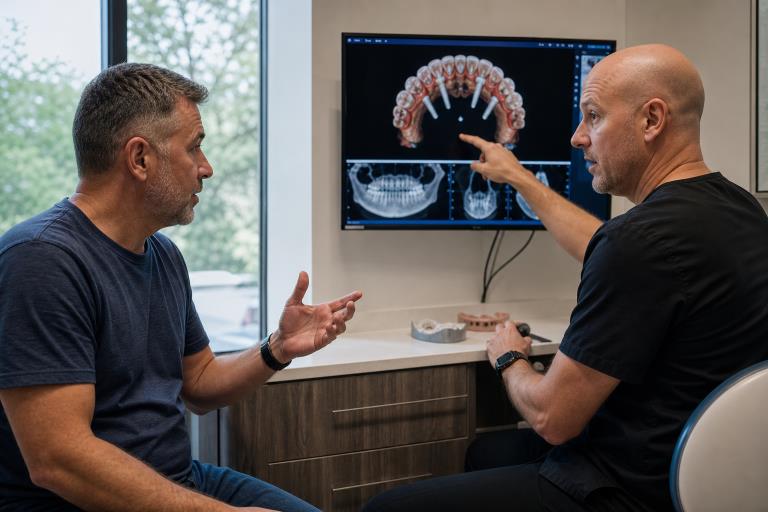
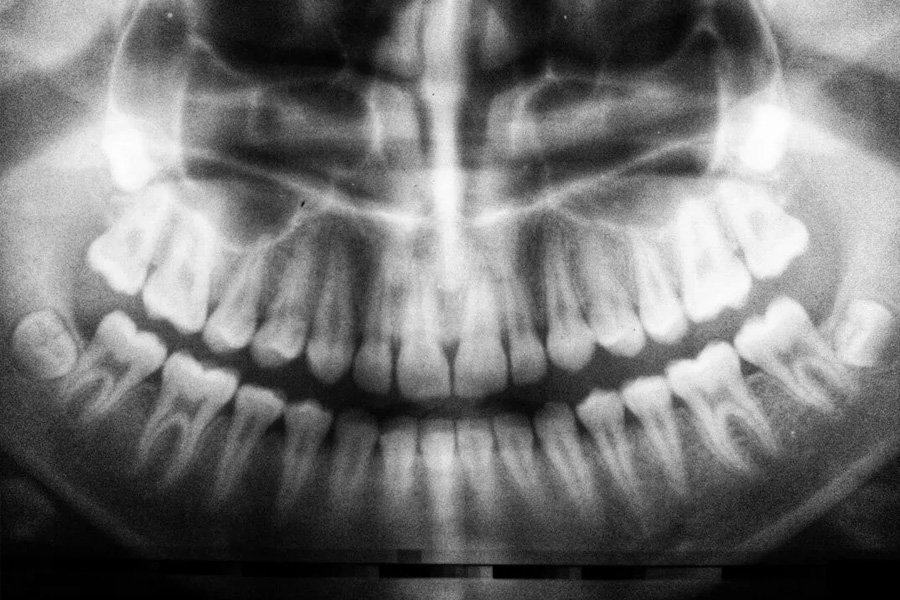
Not always. A dentist may use X-rays or three-dimensional imaging to examine bone height and width, nearby roots, nerves, sinuses, and the planned bite. If bone is limited, options may include grafting, preserving the extraction site, modifying the implant plan, or choosing another type of restoration. The appropriate approach depends on the individual situation rather than a standard timeline. For example, evidence on preserving the extraction site discusses techniques intended to limit post-extraction changes in the ridge when future implant treatment may be considered. These procedures are not identical for every tooth or patient, so a clinician must assess whether they are appropriate.
How a Dental Team Evaluates Replacement Options
- Review the history: Identify why the tooth was lost, current symptoms, medications, and previous dental treatment.
- Check gums and teeth: Look for decay, gum disease, cracks, infection, loose teeth, and areas that need treatment first.
- Assess the bite: Evaluate how upper and lower teeth contact during rest and chewing.
- Review imaging: Use appropriate imaging to assess bone and nearby structures when needed.
- Compare realistic paths: Discuss bridges, partial dentures, implant-supported restorations, or monitoring when suitable.
- Plan for maintenance: Cover brushing, cleaning between teeth, follow-up visits, and protection from grinding or clenching.
Questions to Ask Before Choosing Treatment
- What caused my tooth loss, and has that issue been treated?
- Are my gums and remaining teeth healthy enough for this option?
- Has my bite changed since the tooth was lost?
- Will I need bone grafting or another preparatory procedure?
- How long will treatment and healing take?
- What home care and future maintenance will this restoration require?
- What risks, limits, and alternatives should I understand?
Frequently Asked Questions
Is It Necessary to Replace Every Missing Tooth?
Not necessarily. The answer depends on the tooth’s location, bite forces, symptoms, condition of surrounding teeth, and long-term goals. A dental evaluation can clarify whether leaving the space may create future concerns.
How Soon Should a Missing Tooth Be Replaced?
There is no universal deadline. However, an early evaluation can identify shifting teeth, changes in bite, gum concerns, and bone conditions before planning becomes more complex.
Are Dental Implants Painful?
Implant placement is typically performed with local anesthesia. Tenderness and swelling can occur during healing, and recovery varies based on the number of implants and whether other procedures are needed.
Can Someone Get an Implant Years After Losing a Tooth?
Many people may still have options years later. Bone changes or gum disease can affect the plan, which is why imaging and an in-person evaluation are needed before a provider can give a clear answer.
Conclusion
Replacing a missing tooth can be a health decision as well as a cosmetic one. A thoughtful treatment plan can support chewing comfort, improve speech when needed, help protect the remaining teeth, and fit everyday needs. The right approach depends on several factors, including gum health, jawbone support, the number of missing teeth, personal preferences, and available budget. Patients should also consider the maintenance required for each option, the expected treatment timeline, and any procedures needed before replacement can begin. Seeking an evaluation early and comparing suitable options can make the next step feel clearer and more manageable. By discussing concerns, asking questions, and reviewing a detailed treatment plan with a dental professional, patients can make an informed choice that supports their oral health, daily comfort, and long-term goals.