Now Reading: Building Interview Confidence: The Power of Mock Interview Preparation
-
01
Building Interview Confidence: The Power of Mock Interview Preparation

Key Takeaways
- Mock interviews provide a realistic setting to practice responses and build self-assurance for actual interviews.
- They deliver valuable feedback, helping job seekers pinpoint and improve their weaknesses.
- Consistent mock interview practice is an effective way to manage and reduce interview nerves.
- AI-powered mock interviews offer tailored insights to accelerate growth and confidence.
Preparing for a job interview can feel overwhelming. The fear of missing the right words or failing to impress can unsettle even the most experienced candidates. However, the deliberate practice of mock interview preparation has proven to be a game-changer for countless job seekers seeking to present themselves calmly and convincingly.
Mock interviews simulate the high-stakes atmosphere of a real interview, allowing candidates to sharpen their speaking abilities and receive actionable feedback. By integrating mock interviews into your job search strategy, you gain the advantage of familiarity and poise, which can make the crucial difference between getting an offer and falling short.
The impact of these practice sessions extends far beyond simple rehearsal. Candidates who have invested time in mock interviews tend to be more articulate, less anxious, and better equipped to handle unexpected questions. In today’s competitive job market, any edge you can gain is invaluable and thorough.h prep
Division is the most reliable path to results.
Engaging in well-structured practice interviews is recommended by career coaches and hiring experts alike. As noted in a recent article by The Muse, insights and confidence gained from mock interviews have a measurable, positive impact on hiring outcomes.
Understanding Mock Interviews
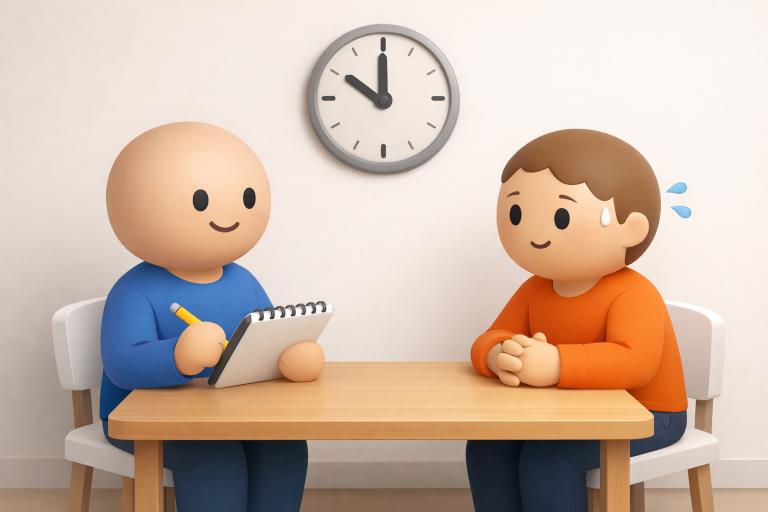
At its core, a mock interview mimics the structure and style of a real job interview. The candidate responds to questions as if facing a prospective employer, allowing for realistic practice in an environment free from actual consequences. This type of rehearsal not only helps refine answers but also boosts confidence and reduces stress during the actual interview.
Benefits of Mock Interviews
Mock interviews unlock several key benefits for job seekers:
- Skill Enhancement:Practicing answers strengthens and clarifies communication and presentation skills.
- Feedback Reception:Human or AI interviewers can spot awkward phrasing, overly lengthy responses, or unclear logic, then offer guidance for improvement.
- Anxiety Reduction:Repeated exposure to interview questions diminishes nerves and increases composure.
- Performance Improvement:Regular practice embeds key talking points, sharpens delivery, and improves adaptability during interviews.
Real-Life Impact of Mock Interviews
A practical example comes from Jennifer Roy, a marketing director who faced a major industry change. By using AI-powered mock interviews, Jennifer was able to structure her answers more persuasively and lower her stress levels. These sessions gave her space to experiment with responses and grow more mindful of non-verbal cues, outcomes that made a tangible difference in her subsequent interviews. More stories like Jennifer’s can be found on trusted platforms, including Forbes.
How to Conduct a Mock Interview
For maximum impact, approach your mock interview as you would a real one. Select an interviewer, human or virtual, who can provide honest, detailed feedback. Choose a quiet, distraction-free environment, and wear appropriate attire. Treat the practice round seriously so that you can accurately measure your progress and pinpoint any persistent challenges.
- Choose the Right Platform:Select between a live interviewer and a digital tool based on your goals and resource availability.
- Simulate Real Conditions:Control environmental factors, from lighting to background noise, to match the typical interview setting.
- Record and Review:Recording sessions, when possible, helps you identify nervous habits and refine your body language and eye contact.
- Seek Constructive Feedback:After each session, gather input from your interviewer, noting both strengths and areas that require focus.
Expanding the Scope of Mock Interviews
Mock interviews are beneficial not only for beginners and career changers but also for professionals at every stage. Senior candidates use this preparation to tackle advanced questions about leadership, business strategy, and industry-specific challenges. By tailoring the session to align with your target role, you can address everything from technical tests to behavioral questions, building well-rounded confidence in every scenario.
Overcoming Interview Jitters Through Preparation
Regular mock interviews foster familiarity with common and difficult questions, minimizing the feeling of surprise. This repetition transforms the process from a daunting ordeal to a familiar exchange, enabling candidates to project composure and authenticity. According to Harvard Business Review, practicing under pressure is key to optimal performance in high-stress environments.
Group Mock Interviews and Peer Review
Group mock interviews or peer-led sessions add another valuable dimension to preparation. By exchanging roles, candidates can observe diverse answering techniques and question styles. Peer review amplifies learning and provides camaraderie, making the interview process less intimidating while increasing accountability for improvement.
Feedback: Action Steps for Long-term Success
After each mock interview, pause to reflect on what worked and what could be improved. Create a list of targeted goals: for example, structuring responses clearly, minimizing filler words, or increasing enthusiasm in delivery. Tracking progress over time not only guides practice but also builds genuine self-assurance for every future interview.
Leveraging Mock Interviews for Different Industries
Tailoring mock interviews to the nuances of your chosen industry is vital. Technology candidates, for example, might practice for programming challenges, while finance roles might require market analysis exercises. Role-specific practice ensures readiness for technical tests and nuanced questioning, offering a strategic advantage in any hiring process.
Conclusion
Mock interviews are an essential preparation tool for anyone seeking to excel in the hiring process. By offering a safe space for practice and improvement, they empower candidates to enter interviews with clarity, poise, and confidence. No matter your level of experience, incorporating mock interviews into your routine is a proven way to make your best first impression when opportunity knocks.