Now Reading: Coastal Living in 2026: Emerging Trends Shaping Seaside Communities
-
01
Coastal Living in 2026: Emerging Trends Shaping Seaside Communities

Key Takeaways
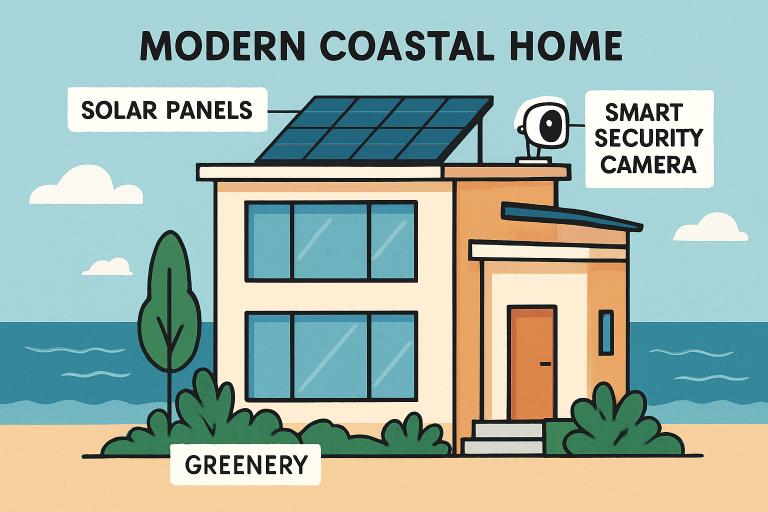
- Sustainable and eco-friendly building practices are redefining coastal development.
- Smart home technologies adapted for seaside climates add convenience and safety.
- Designs prioritize seamless indoor-outdoor transitions and wellbeing-focused amenities.
- Community-driven sustainability efforts are on the rise, supporting environmental stewardship.
Sustainable Building Materials and Practices
Innovation in construction is at the forefront of coastal community evolution. Builders are increasingly embracing green materials such as reclaimed wood, recycled steel, and renewable bamboo—all chosen for their ability to withstand the corrosive effects of salt air and constant humidity. Fiber cement siding and solar-reflective roofing not only guard against the elements but also boost energy efficiency. These advances reflect a broader, deliberate commitment to reducing the environmental impact and enhancing the longevity of seaside properties. homes for sale in Narragansett, RI are prime examples of how modern coastal developments are prioritizing these sustainable standards to deliver both durability and eco-conscious appeal.
Through smart material choices and building practices that minimize waste, today’s coastal homes are setting new benchmarks in sustainability. Homeowners benefit from structures with greater resilience and lower utility costs—proving that style, function, and responsibility can work together seamlessly. According to The New York Times, these new construction trends are crucial for protecting coastal investments in the face of changing climate conditions.
Integration of Smart Home Technologies
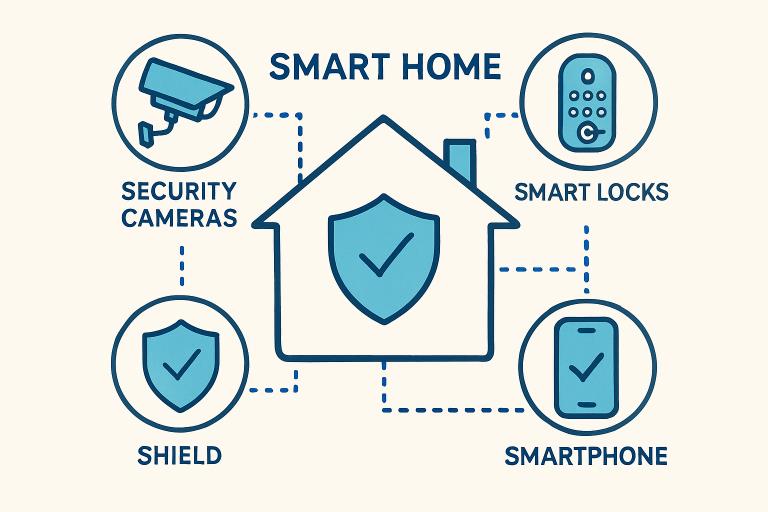
Technological advancements are not just a convenience—they’re a necessity for modern coastal homes. Automated thermostats and humidity sensors optimize comfort while conserving energy. Smart security systems tailored for marine environments offer continuous surveillance, which is crucial for maintaining peace of mind in coastal zones prone to both weather and privacy challenges.
Additionally, seamless integration with mobile apps allows residents to control lighting, temperature, and security from anywhere. By investing in these advanced systems, homeowners ensure their seaside retreats are secure, efficient, and thoroughly modern—a trend that’s expected to accelerate throughout 2026 and beyond.
Blending Indoor and Outdoor Spaces
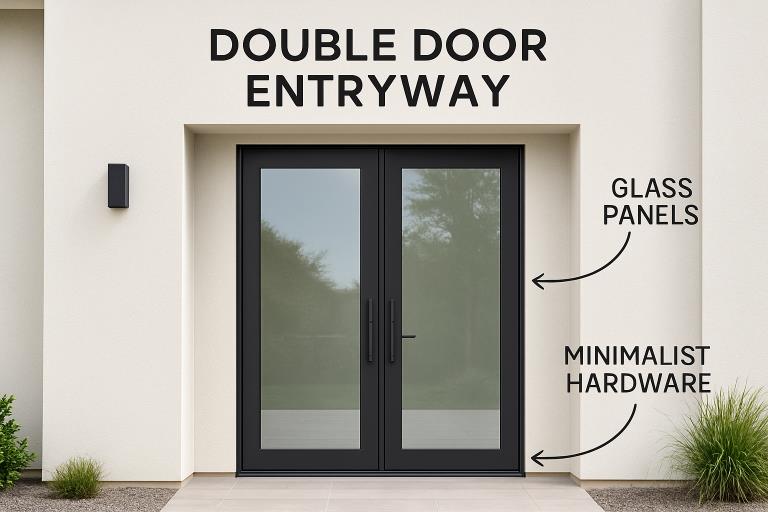
One of the hallmarks of contemporary coastal living is the effortless transition between indoor comforts and outdoor splendor. Open-concept layouts featuring wall-length glass doors, expansive decks, and covered patios erase the divide between house and nature. Designers are blurring these boundaries by using natural materials, such as teak flooring and weatherproof upholstery, to unify the spaces.
Dining zones that flow directly to lush gardens or panoramic water views amplify both living space and lifestyle flexibility. This trend enhances relaxation and encourages a deep connection to the coastal environment, inviting homeowners to savor the sea breeze—rain or shine.
Emphasis on Wellness and Outdoor Living
Health and well-being are at the forefront of the latest coastal developments, where amenities are carefully curated to foster a holistic lifestyle. Outdoor fitness centers, meditation pavilions, and nature trails encourage regular movement and stress relief in natural settings. Meditation gardens and shaded pavilions offer spaces to recharge, while walking paths ensure access to fresh air and scenic vistas.
By prioritizing these wellness-focused elements, communities enable residents to nurture both body and mind, leveraging the restorative atmosphere that only coastal living can provide. Developers recognize that prioritizing health now adds lasting value and appeal to every home.
Resilient and Functional Outdoor Designs
In response to unpredictable coastal weather, homeowners are investing in adaptive outdoor features, such as automated pergolas, retractable awnings, and weather-smart furniture. Built for all conditions, these features offer protection while maintaining flexibility, ensuring that outdoor spaces remain usable year-round.
Durable landscaping—favoring native plants and drought-resistant groundcover—minimizes maintenance and maximizes sustainability, further enhancing the long-term value of every property while supporting environmental stewardship.
Textured Layers and Natural Elements in Interior Design
Inside coastal homes, textured materials and tactile accents define the aesthetic. Jute rugs, linen cushions, and woven baskets introduce organic warmth, while driftwood décor and artisanal ceramics bring the natural world indoors. Light, airy palettes evoke tranquility, reinforcing a sense of calm that mirrors the outdoor scenery.
These design choices not only reflect the casual elegance of coastal living, but they also promote sustainability by emphasizing locally sourced and handcrafted pieces, fostering an environment that is both beautiful and ecologically responsible.
Rise of Sustainable Coastal Communities
Beyond individual homes, entire coastal neighborhoods are embracing a collective ethic of sustainability. Residents install solar panels, grow produce in shared gardens, and implement composting programs, reducing their overall environmental footprint. These efforts promote a strong sense of community and responsibility, preserving coastal ecosystems for future generations.
Moreover, these initiatives typically result in lower community energy costs and higher property values, making sustainability an economic as well as ethical imperative for today’s buyers and developers.
Adoption of Smart Home Integration with Coastal Aesthetics
The intersection of technology and design is crucial in modern coastal homes. Voice-activated lighting, motorized blinds in breezy neutrals, and sleek automated skylights combine function with style. These integrated features complement the effortless feel of seaside living without compromising the serene ambiance of the space.
Such innovations are quickly becoming essential, offering homeowners both convenience and efficiency—further proof that the future of coastal living lies in fusing technological sophistication with timeless, relaxed aesthetics.
Final Thoughts
The coastal living landscape of 2026 is defined by synergy—between sustainability and convenience, technology and tradition, interior comfort and outdoor vibrancy. As builders, buyers, and communities continue to embrace these emerging trends, they are shaping shorelines into resilient, appealing, and environmentally mindful havens, ensuring that the unique charm and vitality of seaside living will endure well into the future.