Now Reading: Essential Marine Plumbing Parts and Supplies for Every Boater
-
01
Essential Marine Plumbing Parts and Supplies for Every Boater

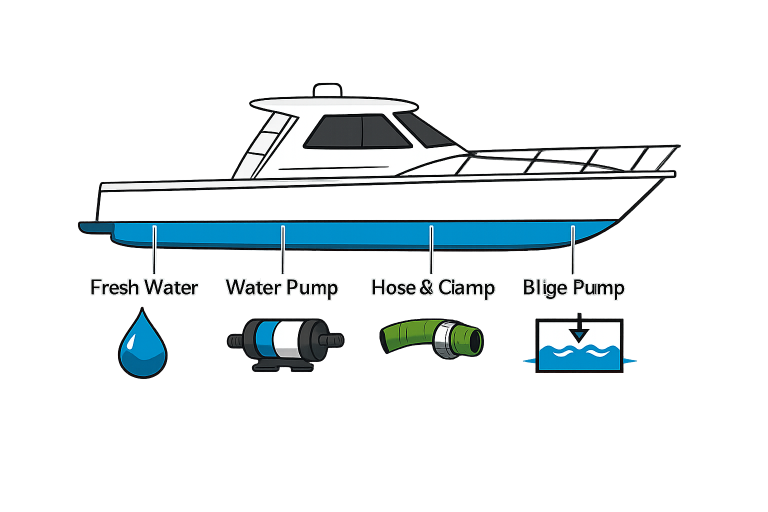
Maintaining your boat’s plumbing system is critical for both safety and comfort on the water. A reliable setup provides clean water for drinking and washing, supports waste management, and keeps your bilge dry. Having the right marine plumbing parts and supplies on hand ensures your system runs smoothly and can prevent unexpected issues while underway.
Neglecting proper marine plumbing can result in leaks, pump failures, and even hazardous water contamination. Whether you’re outfitting a new vessel or maintaining an existing one, understanding key components will help you make smart decisions and increase the longevity of your investment. Being proactive with repairs and upgrades will not only boost your confidence on the water but also contribute to a more enjoyable boating experience for you and your passengers.
Preparedness on the water means more than just having life jackets and emergency supplies. A well-maintained plumbing system involves choosing quality hoses, reliable pumps, and strong fittings tailored to your vessel’s needs. Staying informed about best practices and new technologies helps you avoid common pitfalls, ensuring each trip is enjoyable and stress-free.
Freshwater Systems
Freshwater systems are essential for delivering clean water to onboard sinks, showers, and galleys. The key elements include:
- Freshwater Pumps:These 12V diaphragm pumps are the heart of the system, responsible for supplying pressurized water throughout the boat.
- Accumulator Tanks:Designed to smooth out pump cycling and maintain even pressure, enhancing comfort and reducing wear.
- Freshwater Tanks:Tanks that safely store potable water for all onboard needs.
- Hoses and Fittings:Durable PEX or reinforced marine hoses connect the system, delivering water wherever it’s needed.
When choosing a freshwater pump, pay attention to the PSI rating, self-priming abilities, and whether the pump’s construction resists corrosion. Perform routine inspections, promptly fix minor leaks, and clean strainers to keep water flowing efficiently.
Marine Sanitation Systems
Sanitation is a must on any vessel, handling waste responsibly and legally. Main components are:
- Marine Toilets:Available in both manual and electric versions to fit different-sized boats and preferences.
- Holding Tanks:Store waste until it can be properly emptied at shore facilities.
- Macerator Pumps:Break down waste for easier discharge when needed.
- Sanitation Hoses:Specialized, odor-resistant hoses keep your boat smelling fresh by containing gases and liquids.
Choose only marine-grade hoses, regularly flush the entire system with clean water, and inspect vent lines to prevent blockages. These steps minimize odors and help your plumbing operate reliably every trip.
Bilge Pumping Systems
Bilge pumps are essential for safety, as they remove water that can collect in the hull. These systems generally consist of:
- Bilge Pumps:Either centrifugal or diaphragm models are used to transfer water overboard.
- Float Switches:Automatically trigger pumps when water levels rise past a safe point.
- Bilge Hoses:Used to efficiently route expelled water outside the hull.
Pick a pump with enough capacity (measured in gallons per hour) for your boat’s dimensions. Simple checks, testing float switches, verifying hose security, and clearing the bilge of debris are vital for system reliability and to avoid flooding emergencies.
Livewell and Baitwell Systems
Fishermen and anglers rely on these systems to keep bait and catch healthy fish while on the water. The most important parts are:
- Aerator Pumps:Oxygenate water to keep fish and bait alive.
- Livewell Pumps:Circulate fresh water into holding tanks.
- Spray Heads:Ensure even water distribution throughout the tank.
- Overflow Fittings:Provide safe drainage to prevent tank overfill.
Use pumps rated for continuous use and always select marine-grade, corrosion-resistant strainers for best performance. Installing seacocks for each thru-hull helps stop leaks and adds important security.
Raw Water and Washdown Systems
Raw water pumps draw seawater for deck cleaning, engine cooling, and more. Your setup may include:
- Raw Water Pumps:Deliver seawater to systems that require it onboard.
- Strainers:Filter debris to keep your pumps and plumbing free from blockages.
- Seacocks:Allow controlled water intake and serve as a shutoff point for repairs.
- High-Pressure Washdown Pumps:Help with deck cleaning and other maintenance.
Maintain the system by cleaning strainers, inspecting seacocks for corrosion, and promptly replacing worn hoses to guard against leaks and water intrusion.
Choosing Quality Marine Plumbing Materials
Durable, marine-approved materials guarantee long-term performance and vessel safety. Key tips for selection include:
- Hoses:Reinforced PVC is ideal for freshwater; odor-resistant hoses are recommended for sanitation, and smooth-bore hoses maximize bilge flow.
- Fittings:Nylon offers lightweight corrosion resistance for above-water use, bronze is best for below-waterline use, stainless steel provides high strength, and PVC is limited to freshwater lines.
- Clamps:Always select 316 stainless steel clamps, doubling up on those below the waterline for a secure fit.
Comparing product warranties and user reviews from trusted sources helps ensure you choose reliable parts every time.
Maintenance Tips for Marine Plumbing Systems
Proper maintenance protects your investment and guarantees system reliability. Use this checklist:
- Monthly:Inspect hoses for cracks or soft spots, test bilge pumps and float switches, and check all connections for leaks.
- Seasonally:Flush freshwater systems, clean all strainers, inspect seacocks and valves, and treat sanitation tanks to prevent odor buildup.
- Annually:Replace worn or damaged clamps, service each pump, clean and inspect tank vent filters, and pressure-test your freshwater lines for hidden leaks.
Performing these simple steps regularly keeps your plumbing system operating at peak efficiency and helps prevent unexpected failures on the water.
Learning the basics of marine plumbing, using top-quality materials, and keeping up with routine inspections are the fundamentals of responsible boat ownership. A little proactive effort with these systems can mean the difference between a smooth day on the water and a costly, inconvenient repair.