Now Reading: Improving Road Safety Through Ignition Interlock Devices: Compliance, Legislation, and the Future
-
01
Improving Road Safety Through Ignition Interlock Devices: Compliance, Legislation, and the Future
Improving Road Safety Through Ignition Interlock Devices: Compliance, Legislation, and the Future

Key Takeaways
- Ignition Interlock Devices (IIDs) are widely used tools intended to help reduce repeat offenses of impaired driving.
- Despite documented benefits, compliance with IID installation remains low in several states.
- Implementing comprehensive laws and addressing financial barriers can improve IID adoption and enhance road safety.
Introduction
Every year, incidents caused by impaired driving result in significant injury and loss of life on the nation’s roads. Ignition Interlock Devices (IIDs) have gained traction as a measure intended to help prevent individuals with a history of DUI from starting their vehicles if alcohol is detected in their breath. The primary aim of this approach is to create a stronger barrier against repeat offenses and make the roads safer for everyone. For those seeking more information about this safety measure or considering it as part of a legal requirement, exploring the benefits of an Ignition Interlock Device can help explain how these systems are commonly used in everyday life.
Increasingly, IIDs are mandatory after DUI convictions in many areas, reflecting a broader societal effort to reduce preventable tragedies. However, while the technology exists and has proven benefits, the effectiveness of IIDs is tightly linked to both compliance rates and supportive legal frameworks. Many offenders either do not install the required devices or find ways to circumvent the system, highlighting ongoing enforcement and accessibility challenges. Addressing these barriers is crucial, as the stakes, including lives lost and families affected, are too high to ignore. Proactive steps by lawmakers, courts, and advocacy organizations are gradually shifting perceptions, aiming for higher adoption and compliance. Effective interventions must also consider offenders’ social and economic backgrounds, ensure public safety, and recognize diverse circumstances. In the context of impaired driving prevention, advanced technology is also playing a bigger role. Learn more about the different types of monitoring and prevention equipment, including car breathalyzers and related devices, that help improve driving behavior for those with DUI convictions.
Understanding Ignition Interlock Devices
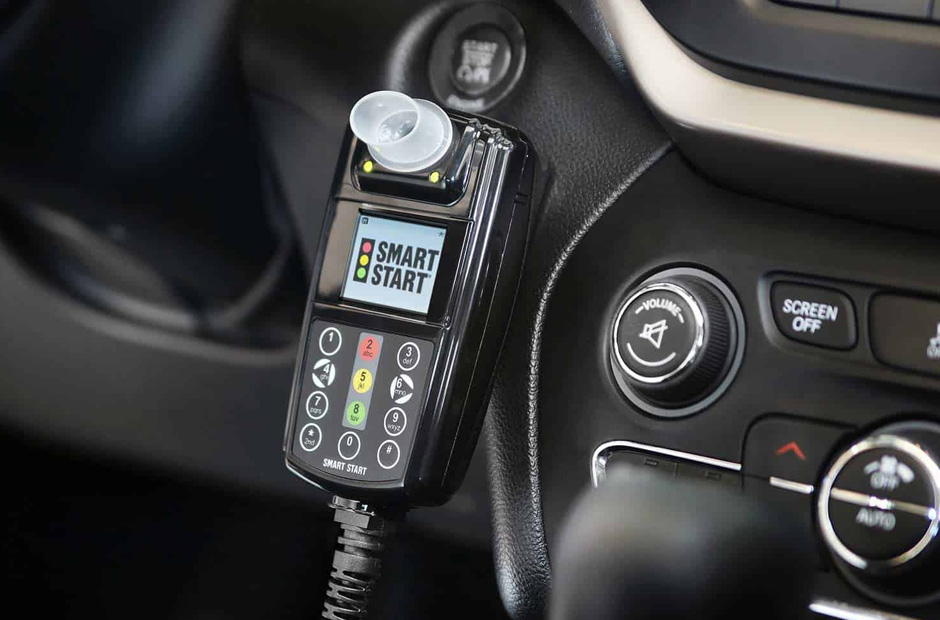
An Ignition Interlock Device is typically described as a breath-based monitoring system installed in a vehicle’s ignition system, though exact configurations may vary by provider and jurisdiction. Depending on the IID provider you use, you may be required to provide a breath sample before the vehicle can start. If the measured blood alcohol concentration exceeds a preset limit, the vehicle may be prevented from starting. Some IID providers may also require periodic retests while the vehicle is in operation to help confirm ongoing sobriety after the initial sample. The exact timing, frequency, and process for these retests can vary depending on the device manufacturer, provider policies, and state regulations.
The operation and features of IIDs can differ significantly between providers and jurisdictions. Your IID provider may require specific breathing techniques, follow audio or visual prompts, or complete additional verification steps during testing. Some modern systems could include cameras, biometric verification, GPS monitoring, or tamper-detection technology to help confirm compliance and discourage circumvention attempts. Available features and monitoring capabilities may vary by provider, jurisdiction, and specific program requirements. These safeguards are intended to strengthen both the technology’s reliability and its role in promoting responsible behavior among those required to use it.
Effectiveness of IIDs in Preventing Repeat Offenses
Some studies, including research cited by the CDC, have reported significant reductions in repeat impaired-driving arrests when IIDs are installed, representing a significant public safety benefit while the devices remain in use. However, recidivism rates often increase after the devices are removed, reinforcing the importance of comprehensive follow-ups and sustained oversight for DUI offenders. Additional reporting and analysis from major national publications have also highlighted the role IIDs can play in reducing impaired-driving incidents and improving roadway safety outcomes.
Challenges in Compliance and Installation Rates
The effectiveness of IIDs is undermined by non-compliance. In some states, fewer than half of drivers mandated to install IIDs actually do so. For example, some state reports have indicated that compliance with IID installation requirements may be relatively low in certain jurisdictions. Factors driving non-compliance include lack of enforcement, administrative loopholes, and limited access to approved installation facilities. Additionally, some offenders may avoid IID mandates by claiming they no longer drive or by operating vehicles registered to others, complicating monitoring and enforcement. Compliance challenges can also be affected by differences in provider availability, program administration, and varying state-level legal requirements, which may create confusion for participants navigating the process.
State Legislation and Its Impact on IID Usage
Laws play a vital role in boosting the adoption and consistent use of IIDs. States with strict, all-offender IID mandates, such as Arizona and New Mexico, have seen marked reductions in alcohol-related crashes and repeat offenses. The Insurance Institute for Highway Safety has noted that stronger IID laws are often associated with fewer DUI-related crashes. Conversely, inconsistent rules and uneven enforcement across other states can undermine the potential benefits of IIDs, underscoring the need for coordinated, comprehensive legislative frameworks. In many jurisdictions, IID requirements, monitoring standards, and compliance expectations may vary depending on the severity of the offense, prior convictions, and local court or licensing agency policies.
Addressing Financial Barriers to IID Installation
Cost remains a significant barrier to the broader adoption of IID. Installation and monthly monitoring fees may total thousands of dollars annually, posing challenges for individuals and families already facing the financial consequences of a DUI conviction. Some states have responded by creating financial assistance programs or sliding-scale fee structures to help ensure that eligible offenders, regardless of income, can access and comply with IID requirements. This type of support not only promotes fairness but also helps maximize the intended public safety outcomes of IID programs. Additional costs may vary depending on the IID provider, monitoring frequency, service appointments, and state-specific administrative fees.
Technological Advancements and Future Prospects
The reliability, convenience, and accessibility of IIDs have benefited from technological advances over the past few years. Depending on the provider and jurisdiction, some systems may include features such as real-time reporting, GPS tracking, advanced tamper detection, or biometric user verification to help authorities monitor compliance more effectively. Ongoing research continues to explore how IIDs and related in-vehicle safety technologies could integrate with broader transportation and emergency response systems. However, available features, monitoring capabilities, and reporting functions may differ substantially between providers and legal programs. The future of these devices lies not just in technical sophistication but also in building systems that support successful, long-term behavioral change among users.
Conclusion
Ignition Interlock Devices are widely used tools intended to help reduce repeat offenses and prevent tragedies caused by impaired driving. Yet, their widespread impact depends on improving compliance rates, increasing affordability, and ensuring robust legislative support. States, advocacy groups, courts, and technology providers must continue collaborating to reduce barriers, educate the public, and encourage responsible participation in IID programs. As technology and regulatory standards continue to evolve, understanding that IID requirements and operational procedures may vary by provider and jurisdiction remains important for both policymakers and participants. By continuing to invest in effective policies, accessible programs, and evolving safety technologies, communities can move closer to reducing impaired driving incidents and making roads safer for everyone.