Now Reading: Innovative Approaches to Sustainable Steel Fabrication
-
01
Innovative Approaches to Sustainable Steel Fabrication

Key Takeaways
- Emerging technologies are revolutionizing steel production by significantly reducing carbon emissions.
- Hydrogen-based reduction and electrochemical processes are leading the charge toward greener steel fabrication.
- Industry collaborations and substantial investments are accelerating the adoption of sustainable practices.
Introduction
The evolution of modern infrastructure has long depended on steel, yet the manufacturing of this essential material is also a major contributor to greenhouse gas emissions. As sustainability becomes a greater priority across industries, new methods are being developed to make steel fabrication more eco-friendly. Traditional production techniques generate significant carbon dioxide emissions, underscoring the need for transformative, low-emission alternatives that align with ambitious climate goals.
Steel manufacturers are not only responding to consumer and regulatory pressures but are also actively seeking out ways to integrate environmental stewardship into their operations. Cutting-edge technologies, collaborative initiatives, and policy support are all converging to foster more sustainable practices in steel production. These changes offer a promising outlook for an industry seeking to reduce its environmental impact in meaningful, scalable ways.
Achieving lower emissions requires a mix of advancements, including changes to the chemical processes used in steelmaking, improvements in digital controls, and creative partnerships among industry players. By examining the latest innovations, it’s clear that sustainability and productivity can go hand in hand within steel fabrication.
These changes are reshaping the landscape for manufacturers, investors, and communities alike. The transition is not just about reducing emissions but also about promoting efficiency and responsibly managing resources for future generations.
When considering the diversity of steel fabrication companies adopting these innovations, it is clear that industry-wide transformation is possible when technology, policy, and collaboration work in tandem.
Hydrogen-Based Reduction: A Game Changer
Hydrogen is emerging as a pivotal element in efforts to decarbonize the steel industry. Replacing traditional carbon fuel with hydrogen in the reduction process allows for steel production with only water vapor as a byproduct. A growing number of manufacturers are piloting the use of green hydrogen generated from renewable energy, helping to eliminate fossil fuel emissions in steelmaking. Projects like those undertaken by H2 Green Steel demonstrate the feasibility and advantages of this approach, promising dramatic reductions in carbon emissions compared to legacy methods.
Although the adoption of hydrogen-based reduction still faces hurdles, such as infrastructure scale and production costs, ongoing investments point to a future in which steel production can be almost entirely emissions-free. The successful integration of hydrogen into mainstream steelmaking could serve as a model for how other heavy industries can decarbonize large-scale operations.
Electrochemical Processes: Electrifying Steel Production
Electrochemical methods, particularly molten oxide electrolysis, represent another major leap in sustainable steel fabrication. Companies like Boston Metal are developing ways to use renewable electricity instead of coal to process iron ore. By eliminating the reliance on carbon, electrochemical techniques remove CO₂ emissions from the equation, creating opportunities for green steel at scale. Major investments and scaling efforts reflect a growing confidence in this method as a long-term solution to industrial decarbonization.
As grid electrification advances and more renewable sources come online, the potential for clean steel fabrication grows. Transitioning to electrochemical processes will ultimately make steel a more responsible material for industries ranging from construction to automotive manufacturing.
Carbon Recycling Technologies: Closing the Loop
Carbon recycling is another breakthrough in the quest for cleaner steel. Innovative processes like the PeroCycle method capture carbon dioxide emissions at the point of creation and convert them into useful elements for reuse within the steelmaking process. This closed-loop approach not only significantly reduces waste but also ensures higher resource efficiency by recycling materials that would otherwise be released into the atmosphere. Technologies that capture, convert, and reuse industrial emissions are increasingly important for helping existing steel plants reduce their environmental impact without major infrastructure overhauls.
Smart Manufacturing: Integrating Digital Twins
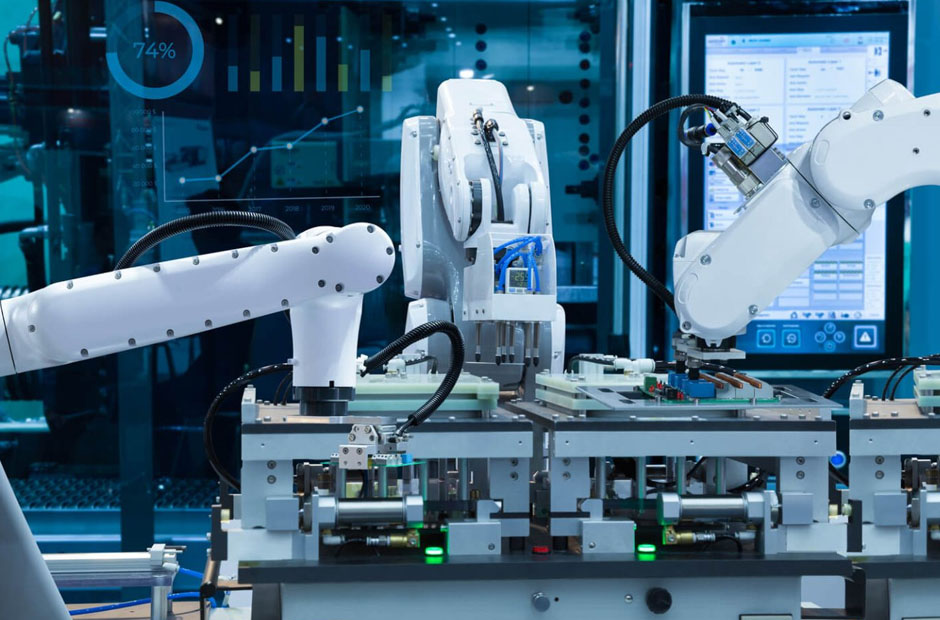
The drive for sustainability also leverages advanced digital tools such as digital twins. These high-fidelity, virtual replicas of steelmaking processes stream real-time sensor data into sophisticated models, enabling predictive maintenance, process optimization, and significant waste reduction. By integrating automated data analysis and control, manufacturers can pinpoint inefficiencies and tightly manage resource use, maximizing both sustainability and productivity. Smart manufacturing aligns with broader Industry 4.0 trends that are rapidly digitizing every link in the industrial supply chain.
Industry Collaborations: Strength in Unity
Progress in sustainable steel fabrication depends on broad cooperation across the sector. Partnerships among start-ups, established steelmakers, and technology developers are crucial for scaling solutions such as electrochemical refining and hydrogen-based production. The coordinated efforts of groups such as Electra and their partners demonstrate how shared expertise and resources can overcome technical and financial barriers, creating momentum for industry-wide adoption of green practices.
Government Initiatives: Policy Driving Progress
Government action is playing a vital role in transitioning the steel industry toward sustainability. Public investment and supportive regulations are paving the way for innovation to reach commercial scale. For example, the U.S. Department of Energy’s multi-billion-dollar commitment is helping to fund demonstration projects that advance hydrogen technologies, carbon capture, and alternative energy usage in steel plants. These policy measures provide critical support and help mitigate risk for companies leading the decarbonization movement.
Conclusion
Technological breakthroughs, industry collaboration, and forward-thinking policies fuel the shift toward sustainable steel fabrication. Innovations such as hydrogen-based reduction, electrochemical processes, and digital manufacturing are enabling the sector to reduce its carbon footprint significantly. These developments offer the potential to transform steel production into a model of environmental responsibility and resource efficiency. As the industry continues to invest in sustainability, it will play a key role in achieving global climate targets and fostering a more resilient infrastructure for the future.