Now Reading: Keeping Your Sewer System Running Smoothly: Solutions for Homeowners
-
01
Keeping Your Sewer System Running Smoothly: Solutions for Homeowners

Key Takeaways
- Recognize the signs of common sewer problems to address them early.
- Implement preventive measures to avoid future sewer issues.
- Know when to seek professional assistance for complex sewer problems.
Maintaining your home’s sewer system is not just about comfort; it’s about protecting your property’s health and value. Many homeowners are caught off guard by unexpected sewer issues that can quickly turn into costly repairs. Recognizing early signs and knowing your options for sewer repair in Mt. Pleasant can help you intervene before a nuisance becomes a disaster. Problems such as recurring clogs, unusual odors, or unexplained soggy patches in the yard may signal deeper sewer line trouble. Homeowners who educate themselves about the causes, warning signs, and preventive practices are better equipped to tackle issues before they escalate. The right maintenance routine saves money and stress, ensuring your property’s plumbing remains reliable year-round. Keeping your sewer system in top condition goes beyond unblocking the occasional drain. It requires a mix of system knowledge, regular inspections, and correct household habits. Many common problems have easy solutions if caught early, but complex issues often require the attention of a licensed professional. It’s also important to stay up to date on the latest home maintenance recommendations by consulting trusted resources. Familiarizing yourself with home plumbing best practices will better prepare you to prevent or efficiently manage sewer problems as they arise.
Clogged Sewer Lines
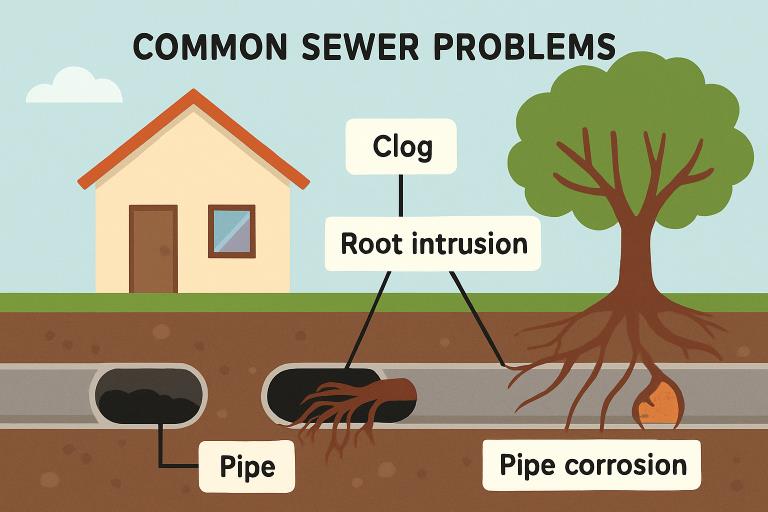
One of the most frequent problems homeowners face is clogged sewer lines. Everyday materials, such as paper towels, feminine hygiene products, or fats and oils, may seem harmless, but once they enter your home’s plumbing, they can build up and create stubborn blockages. These clogs restrict water flow, resulting in slow drains, gurgling noises, and even sewer backups that threaten indoor hygiene.
Prevention and Solutions
Mindful disposal is key: only flush toilet paper and human waste. Avoid pouring grease or cooking oils down the drain; they can solidify in pipes, trapping debris and causing serious blockages. Schedule occasional professional cleanings and avoid chemical drain cleaners, which may further damage pipes over time. When DIY plunging and cleaning no longer solve the problem, professional intervention becomes crucial.
Tree Root Intrusion
Even small cracks in your sewer lines can attract nearby tree roots seeking water sources. As roots infiltrate and expand within sewer pipes, they disrupt water flow and can eventually cause complete blockages or damage to the pipes themselves. Early signs include frequent, unexplained clogs, gurgling drains, or lush patches of grass above buried lines.
How to Handle Root Damage
If root intrusion is caught early, professionals can use specialized cutting equipment or noninvasive chemical treatments to clear roots from the pipes. Severe invasions may require replacing sections of compromised pipe. Prevent future problems by choosing tree species with less aggressive roots and planting them far from utility lines; regular inspection is also crucial for early detection.
Pipe Corrosion
Older homes are especially prone to pipe corrosion, as metal pipes degrade over time due to age, soil conditions, and water chemistry. Corrosion leads to leaks, contamination, and general structural weakness. Look out for signs like rust-colored water, unexplained puddles, or wet spots along basement walls.
Repair and Maintenance Options
Professional inspection should be scheduled if corrosion is suspected. Depending on pipe condition, plumbers may recommend spot repairs or complete replacement with modern, corrosion-resistant materials such as PVC. Regular water quality checks and updated plumbing help extend the lifespan of your entire system.
Sewer Line Bellies
“Bellies” in sewer lines refer to low spots or sags that form due to soil settling, poor installation, or shifting foundations. These dips allow wastewater to collect, eventually causing debris accumulation, recurrent blockages, and reduced flow efficiency.
Addressing Sewer Line Bellies
Sewer bellies require professional diagnosis using cameras to pinpoint affected areas. Minimal bellies can be managed with increased maintenance, but significant dips may necessitate excavation and pipe leveling or replacement to restore proper drainage and prevent future blockages.
Misaligned or Collapsed Pipes
Soil erosion, ground freezing and thawing cycles, or shoddy pipe installation can cause entire sections of sewer pipe to become misaligned or fully collapse. Complete blockages, major leaks, or outdoor waste pooling are red-flag indicators that the underground system needs immediate attention.
Restoration Techniques
Repairs typically require trenchless pipe repair or a full excavation, depending on the location, severity, and age of the system. Homeowners should avoid DIY efforts in these cases, as professional equipment and technical expertise are needed to restore system integrity safely.
Preventive Measures
Homeowners can minimize sewer problems by following simple yet effective practices:
- Dispose of grease, wipes, and non-flushable items in the trash, not the drain.
- Schedule annual or biannual sewer inspections, especially if your area is prone to root intrusion or has older infrastructure.
- Plan landscaping thoughtfully to keep tree roots clear of buried lines.
- Maintain proper grading around your home’s foundation to prevent uneven settling that can disturb sewer pipes.
When to Call a Professional
DIY approaches can resolve minor drain issues, but certain warning signs call for the expertise of experienced plumbers. Multiple slow drains throughout the house, consistent sewage odors despite cleaning, or any evidence of pipe collapse or structural damage indicate the need for professional assessment and repair.
Most importantly, hiring qualified experts for inspection and repair ensures problems are properly diagnosed and safely resolved, protecting your property and your peace of mind. Always choose licensed professionals when faced with persistent or complex sewer issues. Proactive maintenance, awareness, and timely professional intervention are the keys to preventing severe sewer problems and expensive home repairs. By understanding the warning signs and acting early, you can keep your plumbing running smoothly and your household environment healthy for years to come.