Now Reading: What is Visual Arts Degree All About? Best Programs & Expert Tips
-
01
What is Visual Arts Degree All About? Best Programs & Expert Tips

Why study visual arts?
If you’ve ever felt the rush of color, the hush of a studio at midnight, or the strange satisfaction of fixing a line that finally sings — a visual arts degree is the kind of education that amplifies that feeling into a practice. It’s part craft, part conversation, and part intellectual workout: a structured space where you make, think, fail, revise, and finally present work that carries your voice. This degree teaches technique and builds a habit of seeing — the small details, the larger cultural textures — so your ideas land with clarity and intention.
What a visual arts degree covers
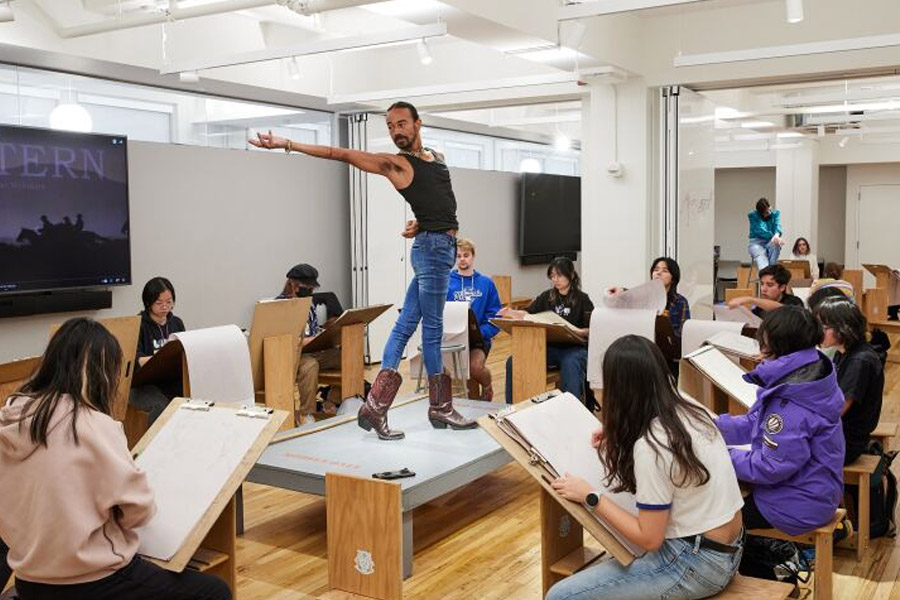
A visual arts program blends hands-on studio practice with critical study. Expect foundation courses in drawing, color, and three-dimensional thinking, then pathways into painting, sculpture, photography, printmaking, animation, illustration, and digital media. Alongside making you’ll study art history and theory, learning how art shifts meaning across time and place. Workshops, critiques, and seminars sharpen your technical skill and your vocabulary for talking about art, while electives let you carve a niche — whether that’s lens-based work, generative media, or mixed-reality experiments.
Degree requirements and the portfolio
Most undergraduate programs ask for a high-school diploma (or equivalent), a portfolio, and a personal statement. The portfolio is the single most telling thing you’ll submit: a concise, curated selection of your best work that shows range, commitment, and a clear eye. Foundation studio classes are common early on, and then you’ll move into more specialized studio courses, art history units, and often a capstone project or final exhibition. International applicants may also need to demonstrate language proficiency; schools will have specific academic thresholds and application rhythms.
Studio life and the final project
Studio culture is both communal and solitary: you’ll spend focused hours alone with materials, and you’ll also be in the company of peers whose ideas push you further. Critiques are a ritual — sometimes brutal, often clarifying — and public shows at the end of a term are your first lessons in presenting work beyond the studio bubble. The final-year project or exhibition is the moment when process becomes a proposition: a concentrated body of work that shows how you think, what you value, and how you’ve grown over the course.
Best programs and what sets them apart
There’s no single “best” school — but different programs offer distinct atmospheres and advantages. Some conservatory-style schools prioritize intensive studio time and mentorship with practicing artists; others embed art-study within a broader university context that mixes theory, research, and cross-disciplinary options. Urban schools give you gallery access, internships, and live projects; smaller campuses offer quiet, concentrated studio time. Among programs that attract strong attention are institutions famed for rigorous critique culture, deep faculty mentorship, and strong alumni networks; look for schools that match the kind of studio life and career support you want.
Specializations, electives, and skills you’ll gain
A visual arts degree is flexible by design: you can specialize in traditional disciplines like painting and sculpture or lean into photography, digital animation, or interactive media. Electives let you pair art-making with subjects like philosophy, design, or technology, creating hybrids that are increasingly relevant in creative industries. Technically, you’ll learn traditional methods and industry-standard software (image-editing, layout, animation tools), while conceptually you’ll develop an ability to research, pitch ideas, and sustain long-term projects — all skills that translate into careers inside and outside the gallery.
Career paths and practical benefits
Graduates go into many fields: fine art, illustration, graphic design, animation, teaching, curation, museum work, art direction, and creative entrepreneurship, to name a few. Beyond specific jobs, the degree builds creative problem-solving, project management, and visual literacy — capabilities prized in advertising, publishing, tech, and entertainment. Internships, portfolio reviews, and community exhibitions embedded in many programs help you move from student projects to paid work, residencies, or further study such as an MFA.
Cultural perspective and personal growth
Studying visual arts also means learning to see culture as material. You’ll encounter global art histories, question assumptions, and practice empathy through visual narratives. The process is often personal and, at times, transformative: making art asks you to confront risk, persist through criticism, and articulate an original viewpoint. Those experiences shape confidence and resilience — qualities that extend well beyond an art career.
FAQ
What is the job of visual arts?
A visual arts practice creates images or objects that communicate ideas, emotions, and perspectives visually, using media like painting, sculpture, photography, and digital forms.
What is a Bachelor of Visual Arts degree?
A Bachelor of Visual Arts is an undergraduate program combining studio practice with theoretical study, typically completed over three to four years, preparing students for creative careers or further study.
What is the highest degree in visual arts?
The Master of Fine Arts (MFA) is commonly regarded as the terminal professional degree for studio artists and arts educators, focusing on advanced practice and a substantial body of work.
What careers use visual arts?
Visual arts graduates work as professional artists, illustrators, designers, animators, curators, educators, and creative directors, and their skills are also in demand in media, gaming, and advertising.
What does visual art look like for Basic 4 students?
At that level, visual art lessons introduce simple drawing, painting, and craft skills to encourage self-expression, basic technique, and imaginative play.
Do I need a portfolio to apply?
Yes — most programs require a curated portfolio of your best work to evaluate your potential, technique, and creative voice.