Now Reading: What You Need to Know About Waiver of Service Forms
-
01
What You Need to Know About Waiver of Service Forms


Key Takeaways
- Waiver of service forms enable defendants to accept legal documents without formal service.
- Utilizing these forms can expedite legal processes and minimize expenses.
- It’s essential to comprehend the legal obligations and timelines associated with waivers.
Waiver of service forms play a pivotal role in the legal landscape by allowing parties, particularly in civil and family law cases, to acknowledge receipt of legal documents without the need for a formal process server. By using a waiver, the recipient confirms they have received the necessary papers and agrees to proceed without being personally served, simplifying an otherwise complex procedure. For those undergoing separation or divorce, understanding a divorce waiver of service is essential, as it can expedite proceedings, reduce conflict, and save time and money.
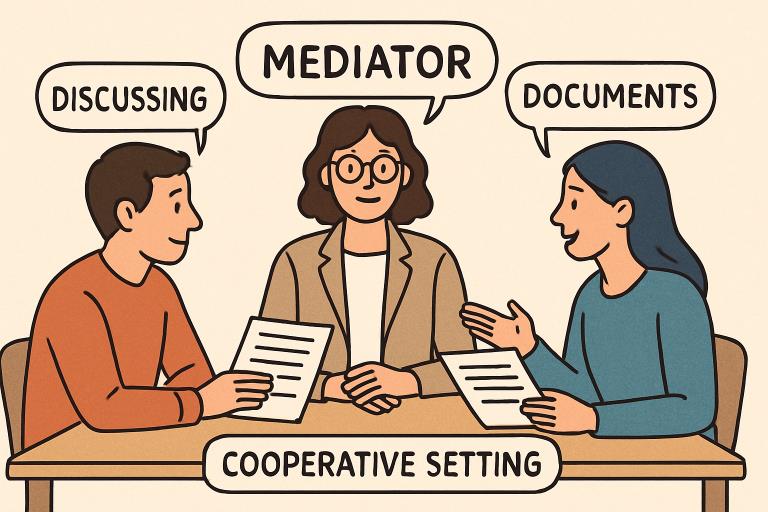
Removing the need for a process server not only decreases costs but can also foster an atmosphere of cooperation between parties, which is particularly beneficial in sensitive cases such as divorce or custody disputes. Recognizing both the legal force and practical advantages of a waiver of service form is key to ensuring both compliance and a smoother legal process.
Waiver of service forms are governed by specific legal standards, yet their function remains straightforward: to facilitate acknowledgment and response to legal actions without unnecessary procedural delays. Timelines, format, and specific requirements can vary by jurisdiction, making it essential for parties to educate themselves on their local rules and practices.
Understanding these forms minimizes the risk of missed deadlines, misunderstandings, or additional legal fees. Parties who are informed about the flexibility and limitations of waiver forms position themselves for more efficient, amicable resolutions across a range of legal conflicts.
Understanding Waiver of Service Forms
A waiver of service form is a document that a party—typically the defendant in a civil or family law case—signs to confirm receipt of legal papers, such as a summons or complaint, without requiring formal service by a process server. By signing, the recipient effectively waives their right to personal service, which is otherwise mandatory to notify individuals of pending legal actions.
The use of waiver of service forms is widespread, particularly in scenarios where parties are cooperative or attempting to reduce costs. In divorce and family law, waivers help reduce tension and streamline the process by demonstrating mutual awareness and a willingness to participate. This document does not waive legal defenses or the opportunity to respond; it simply acknowledges efficient delivery of necessary paperwork.
Benefits of Using Waiver of Service Forms
- Cost Efficiency:The waiver eliminates the need for a process server or sheriff, sparing parties the accompanying expenses.
- Time Savings:Once signed, legal proceedings can progress without waiting for service to be attempted and confirmed.
- Mutual Cooperation:In family law, especially, waivers can foster goodwill and openness, setting a positive tone that may lead to more amicable settlements.
Additionally, removing the step of formal service can help prevent unnecessary delays, a common hurdle in litigation. By allowing parties to move forward more rapidly, courts can also reduce their backlog and resource strain.
Legal Obligations and Timelines
Parties who agree to waive service are generally granted extra time to file a formal response to the legal complaint. Under the Federal Rules of Civil Procedure, for example, a defendant who signs a waiver has 60 days from when the waiver was sent to file their answer, as opposed to 21 days with traditional service. These timelines may differ by state, so parties should consult local statutes or an attorney to verify their obligations.
It is critical for both plaintiffs and defendants to adhere to waiver timelines. If the waiver is not signed and returned within the prescribed timeframe, the serving party may need to proceed with formal service, which can incur higher costs and result in lost time.
How to Properly Execute a Waiver of Service
Step-by-Step Guide
- Prepare the Documents:Gather all relevant forms, including the complaint or petition, the waiver of service form, and a pre-addressed, stamped envelope for return.
- Mail the Packet:Send these to the other party along with a clear request that they sign and return the waiver by a specified deadline.
- File with the Court:Once the signed waiver is received, file it promptly to alert the court that formal service has been waived. This preserves record integrity and protects the rights of both parties.
Some courts provide standardized waiver forms and strict instructions for use. Always check local court resources or consult with a legal professional if you are unsure about the correct procedure.
State-Specific Considerations
Waiver of service procedures, requirements, and forms can vary greatly from state to state. For example, recent amendments to Illinois Supreme Court Rule 298 introduced new mandatory civil fee waiver forms and clarified procedures for seeking cost waivers in the state. These updates are designed to ensure a uniform and transparent process, but they highlight the importance of checking local court websites or rules for the most up-to-date information.
Parties in other states may encounter unique deadlines, documentation standards, or even limitations on when waivers are permitted. Always confirm the current rules in your jurisdiction to avoid costly errors.
Potential Pitfalls to Avoid
- Missed Deadlines:Failing to return the waiver on time can nullify the process, resulting in formal service and increased expenses.
- Incomplete or Incorrect Forms:Errors in filling out the waiver may delay proceedings or trigger additional steps from the court.
- Jurisdictional Differences:Failing to account for variations in state or local court requirements can result in the waiver being invalidated.
To guard against these issues, diligently review all instructions accompanying the waiver form and consider seeking legal counsel, especially in matters that are contested.
Conclusion
Waiver of service forms offer significant benefits, including lower costs and faster processes, along with a greater chance for positive cooperation. Individuals and families navigating legal matters should understand the benefits and responsibilities associated with these waivers, follow best practices when completing and returning forms, and remain vigilant about adhering to state-specific instructions. Ultimately, a knowledgeable approach can preempt costly missteps and lead to a more amicable legal resolution.