Now Reading: Why Nurse Practitioners Are Pivotal in Modern Healthcare
-
01
Why Nurse Practitioners Are Pivotal in Modern Healthcare

Key Takeaways:
- Nurse Practitioners (NPs) are essential in addressing physician shortages, especially in underserved areas.
- NPs provide comprehensive care, including diagnosis, treatment, and patient education.
- They play a significant role in managing chronic diseases and improving patient outcomes.
- NPs enhance healthcare accessibility and affordability.
- They are integral to the integration of technology and telehealth in healthcare delivery.
Addressing Physician Shortages
The ever-increasing demand for healthcare services has led to a persistent shortage of physicians, particularly in primary care and under-resourced rural areas. In response to this substantial gap, Nurse Practitioners (NPs) have stepped into pivotal roles, providing patients with timely and comprehensive medical attention that might otherwise be unattainable. Whether administering annual physicals, delivering childhood immunizations, or managing long-term conditions such as diabetes and hypertension, NPs consistently fill vital gaps that ensure quality care reaches those who need it most. Many NPs are drawn to work in communities with the greatest shortages, often finding opportunities in nurse practitioner jobs that directly support vulnerable populations and help close the healthcare disparity gap.
The enhanced training, expanded scope of practice, and clinical autonomy given to NPs empower them to diagnose, treat, and manage a wide range of illnesses. For example, independently in many states across the U.S., this flexibility not only helps fill workforce gaps but also provides stability and consistency in the delivery of primary care, particularly during times when physician availability is critically low or geographic isolation limits access to medical services. By serving as frontline providers, NPs play an indispensable role in maintaining the stability and resilience of the healthcare system.
Comprehensive Patient Care
Nurse Practitioners are renowned for their holistic approach to medicine, which encompasses thorough diagnosis, evidence-based treatment, and ongoing patient education. Unlike some traditional medical models that may focus mainly on acute episodes, NPs take time to get to know their patients on a personal level. They are trained to examine not only presenting symptoms but also underlying factors such as social determinants of health, socioeconomic status, mental well-being, and family history. This comprehensive and personalized style of medical practice is closely associated with higher patient satisfaction and improved health outcomes, as it reduces the likelihood of unnecessary hospital admissions and repeat emergency room visits.
The patient-centered approach of NPs creates a strong therapeutic alliance, encourages more open and honest communication, and fosters an environment that prioritizes preventive care—all key elements for achieving and maintaining sustainable wellness. By emphasizing education and self-management, NPs empower patients to take an active role in their own health, which in turn supports long-term positive outcomes for both individuals and their families.
Managing Chronic Diseases
As chronic health conditions such as diabetes, hypertension, and obesity rise in prevalence, NPs have emerged as leaders in chronic disease management. Their advanced clinical skills, ability to develop individualized care plans, and dedication to ongoing education on lifestyle changes ensure that patients receive the support needed to manage complex conditions effectively. Regular follow-ups, continuous disease monitoring, medication management, and patient engagement are all essential components of how NPs help lower the risks of complications and maintain long-term quality of life for their patients.
Additionally, NPs frequently work with multidisciplinary teams to coordinate care for complex patients, ensuring that all aspects of their health—physical, mental, and social—are properly managed and integrated. Their efforts are essential in communities where specialist access might be limited, and their patient advocacy can make a crucial difference in patient outcomes.
Enhancing Healthcare Accessibility
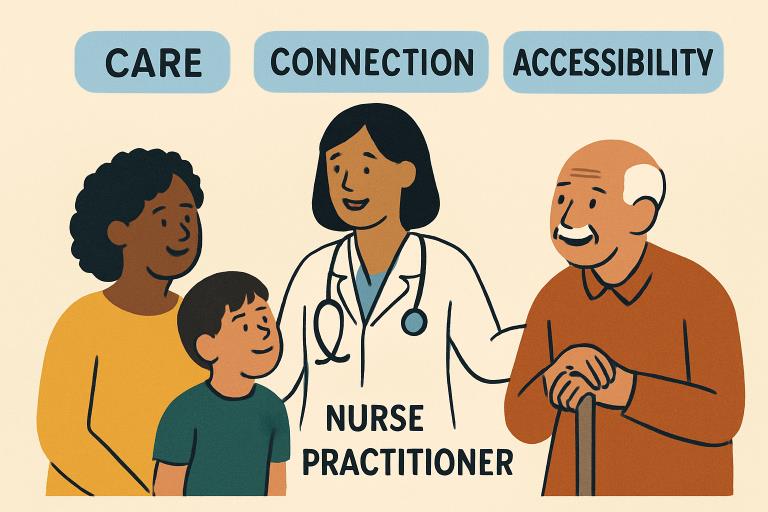
Accessibility remains a major concern in today’s healthcare landscape, yet NPs are well-positioned to drive meaningful change. Their authority to establish independent practices in many states, coupled with their commitment to underserved populations, enables nurse practitioners to open clinics in both rural and urban communities that provider shortages have plagued. By offering a range of primary, preventive, and acute care services, NPs significantly expand the reach and capacity of our healthcare system, ensuring that marginalized and geographically isolated populations have access to timely medical treatment.
In urban areas, NPs often staff walk-in clinics and community health centers, enabling prompt care for communities that may otherwise rely on crowded emergency rooms. Their ability to serve as primary care providers in various settings also reduces unnecessary delays in care. It helps minimize disparities that disproportionately affect minority and low-income populations.
Cost-Effective Care
As healthcare costs rise, the economic value of integrating NPs into medical teams becomes unmistakable. NPs deliver high-quality care at lower costs compared to traditional physician-only models, enabling patients to receive comprehensive treatment while helping health systems, employers, and insurers curb unnecessary expenses. Numerous studies have shown that patients under NP care often experience lower rates of hospital admission, fewer complications, and reduced use of costly emergency services, all of which contribute to substantial long-term savings.
As value-based care and reimbursement models gain prominence, NPs’ ability to balance efficiency, prevention, and clinical quality becomes increasingly crucial to a sustainable healthcare future.
Integration of Technology and Telehealth
The rapid adoption of telehealth technology in recent years has further underscored the adaptability and forward-thinking nature of Nurse Practitioners. Using secure virtual platforms, NPs can consult with patients across state and regional boundaries, extending essential care to individuals with mobility constraints, a lack of reliable transportation, or those residing in geographically isolated or medically underserved areas. Telehealth not only broadens access but also ensures greater convenience and continuity in patient care, enabling NPs to monitor, communicate, and guide patients effectively between in-person appointments.
Beyond telehealth consultations, NPs are also at the forefront of utilizing technology, such as electronic health records for documentation and care coordination, as well as remote patient monitoring tools to track vital signs and chronic disease metrics. These innovations enhance patient engagement, improve health literacy, and streamline the care delivery process. By maximizing the use of technology, NPs help create a more patient-centered, data-driven, and efficient healthcare environment.
Collaborative Practice and Team-Based Care
Modern healthcare delivery increasingly relies on interdisciplinary teams, making the collaborative skills of NPs invaluable. Nurse Practitioners often work in tandem with physicians, pharmacists, social workers, mental health professionals, and therapists to address the multifaceted medical and psychosocial needs of each patient. This collective approach to care yields more holistic and personalized treatment outcomes, thereby reducing the risk that important health details are overlooked and enhancing the patient experience when navigating complex conditions.
This spirit of teamwork positions NPs as effective communicators, care coordinators, and advocates for their patients, helping to optimize resource allocation and ensure continuity of care throughout the continuum.
Advancing Preventive and Population Health
Nurse Practitioners prioritize prevention—screening for risk factors, advocating routine immunizations, and counseling on lifestyle changes—to limit the prevalence and severity of many chronic illnesses. By catching potential health issues early and intervening before they progress, NPs help patients sustain wellness, minimize avoidable hospital visits, and support the broader mission of public health improvement.
Their leadership in supporting population health initiatives aligns with the growing emphasis on value-based care and the urgent need to manage costs while ensuring long-term positive outcomes across entire communities. NPs are critical partners in vaccination drives, community screening programs, and wellness education campaigns—all of which contribute significantly to healthier populations.
Final Thoughts
As the healthcare landscape continues to evolve, Nurse Practitioners stand out as dynamic, highly skilled providers at the forefront of both clinical care and innovation. Their ability to fill physician gaps, deliver holistic and preventive medicine, utilize technology, and champion team-based approaches makes them indispensable to the future of healthcare. Patients, health systems, and communities all benefit from the expertise and compassionate presence of NPs as pivotal leaders in the drive toward accessible, equitable, and sustainable health for all.