Now Reading: The Value of Thoughtful Landscaping Design
-
01
The Value of Thoughtful Landscaping Design

Key Takeaways
- Thoughtful landscaping enhances property value and curb appeal.
- Strategic plant selection and placement can lead to energy savings.
- Well-designed landscapes promote environmental sustainability.
- Outdoor spaces designed with care improve community well-being.
Thoughtful landscaping design is an investment with lasting benefits—not only does it enhance curb appeal, but it also drives meaningful environmental and economic returns. When homeowners and communities approach outdoor spaces with intention, they achieve more than beauty—they create functional environments that offer everyday value. Professional guidance, such as arbor Southlake, can lead to landscapes that are more than an enhancement—they become assets.
Today, well-planned landscapes are recognized as essential elements in neighborhood development, integrating aesthetic appeal with sustainability, cost savings, and social vibrancy. These spaces promote relaxation, foster biodiversity, and contribute to climate resilience, offering a platform for residents to connect with their environment.
Enhancing Property Value
A thoughtfully designed landscape can transform a home’s exterior, making it stand out in any neighborhood. According to data from the National Association of Realtors, landscaping improvements can add significant resale value to a property—sometimes increasing the sale price by up to 20 percent. Mature trees, vibrant gardens, and attractive walkways all contribute to a first impression that remains memorable to prospective buyers.
Well-maintained exteriors aren’t just about looks; they signal to real estate agents and appraisers that the property has been cared for over time. This perception increases buyer trust and often translates into premium offers. Simple upgrades, such as adding flowering plants or incorporating low-maintenance ground cover, can make a dramatic difference in perceived value.
Energy Efficiency Through Landscaping
Smart landscaping decisions can lead to measurable energy savings. Strategic placement of shade trees helps shield homes from harsh summer sun while allowing for solar gain in the winter months. By reducing the demand for air conditioning and heating, homeowners can cut energy costs by up to 30 percent. The U.S. Department of Energy highlights how planting windbreaks and using shading devices can further reduce energy consumption and lower utility bills.
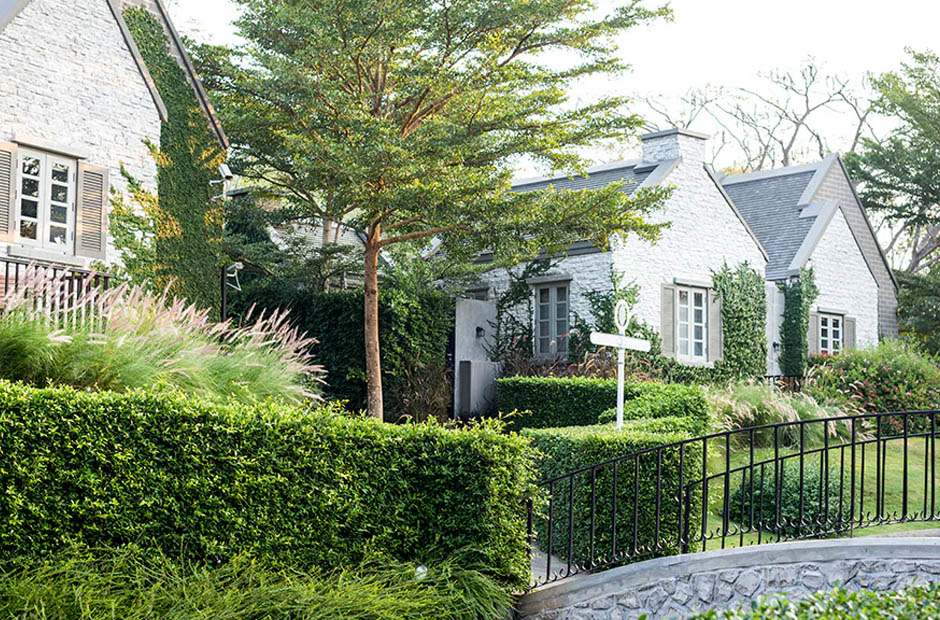
Not all solutions require large investments or overhauls. Even modest landscaping additions, such as climbing vines or hedges along west-facing walls, can help insulate a home and protect it from temperature extremes. These approaches work in harmony with native climate patterns and building orientations.
Environmental Benefits
Thoughtful landscaping offers several ecological benefits, including improved air and soil quality, as well as support for urban biodiversity. Trees and shrubs act as natural air filters, removing particulate matter and carbon dioxide, while releasing oxygen to the atmosphere. This not only benefits the immediate area but can make a difference in cities challenged by pollution.
- Air Quality Improvement:Lawns, trees, and native plantings can trap harmful pollutants, providing cleaner air for surrounding neighborhoods.
- Water Management:Proper landscape design helps control runoff and reduce erosion. Rain gardens and permeable surfaces enable rainwater to soak in rather than flood storm drains.
- Biodiversity Support:Choosing native and adaptive species provides critical food, shelter, and nesting sites for birds, pollinators, and small mammals.
Community and Social Impact
Landscaped parks, community gardens, and greenways contribute to the social fabric of neighborhoods, fostering a sense of place and belonging. Access to green spaces has been linked to lower levels of stress, improved physical health, and stronger social ties. Whether it’s a local pocket park or a tree-lined street, these intentionally designed environments become gathering places for neighbors of all ages.
Public and shared spaces designed with input from residents help foster inclusive and vibrant communities. Projects that invite participation—like community clean-up days or group gardening—help residents take ownership of their environment while strengthening neighborhood bonds.
Planning for Success
Successful landscaping requires site assessment and clear objectives. Factors like soil testing, sun, and climate guide plant choices, balancing aesthetics and functionality. Partnering with professionals or local resources enhances sustainability and beauty—investing time in planning, whether DIY or professional, is beneficial. A well-designed layout emphasizes low maintenance, resource efficiency, and a seamless transition between indoor and outdoor spaces. Local insights on plants and weather boost resilience and project success.
Conclusion
A commitment to thoughtful landscaping brings a host of tangible benefits: higher property values, increased energy efficiency, environmental health, and stronger community ties. By balancing creativity with strategic planning, every landscaped space has the potential to enhance quality of life and leave a lasting positive legacy for years to come.