Now Reading: Year-Round HVAC Readiness: A Homeowner’s Guide for Every Season
-
01
Year-Round HVAC Readiness: A Homeowner’s Guide for Every Season

Heating and cooling equipment works hardest when outdoor temperatures are at their most demanding. A simple year-round routine can help you spot changes early, protect everyday comfort, and make service decisions with more confidence. For homeowners who want support with maintenance, repairs, or system planning, Dynamic Comfort offers residential heating and cooling solutions.
You do not need to become an HVAC expert to care for your system responsibly. Most useful homeowner tasks are basic: changing filters, keeping vents clear, watching for leaks, and noting unusual performance. Electrical work, combustion equipment repairs, and refrigerant service should be left to qualified professionals.
Why Year-Round HVAC Readiness Matters
Many equipment problems become noticeable during the first major heat wave or cold spell, when a system suddenly has to run longer and more often. A clogged filter, restricted airflow, drainage issue, or worn component may be less obvious during mild weather. Scheduling attention before peak seasons can make an unexpected breakdown less disruptive.
Maintenance also supports comfort and indoor air quality by helping the system move air as intended. The U.S. Department of Energy notes that organized HVAC maintenance practices can reduce energy use and improve indoor environmental quality. Homeowners can contribute by performing routine tasks safely and documenting anything that seems different.
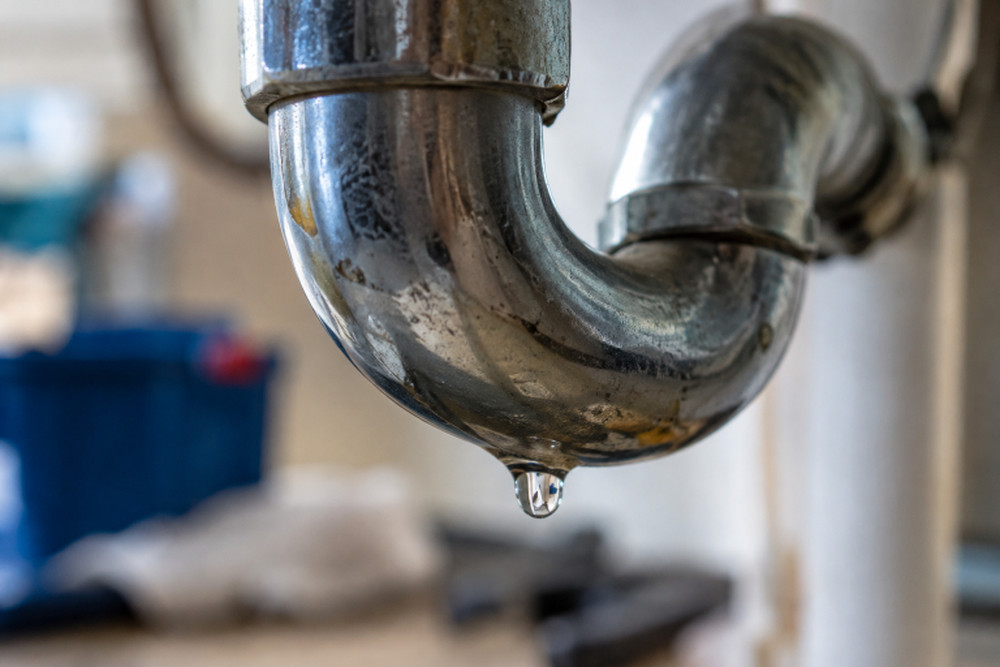
When cooling performance changes, timely AC repair services can help identify the cause before a minor issue becomes a longer interruption to comfort. Waiting is rarely useful when the system is blowing warm air, leaking, freezing, or making persistent new noises.
A Simple Seasonal HVAC Checklist
Use this short routine before the season changes, then repeat it whenever your home feels less comfortable than usual:
- Test heating or cooling before severe weather arrives.
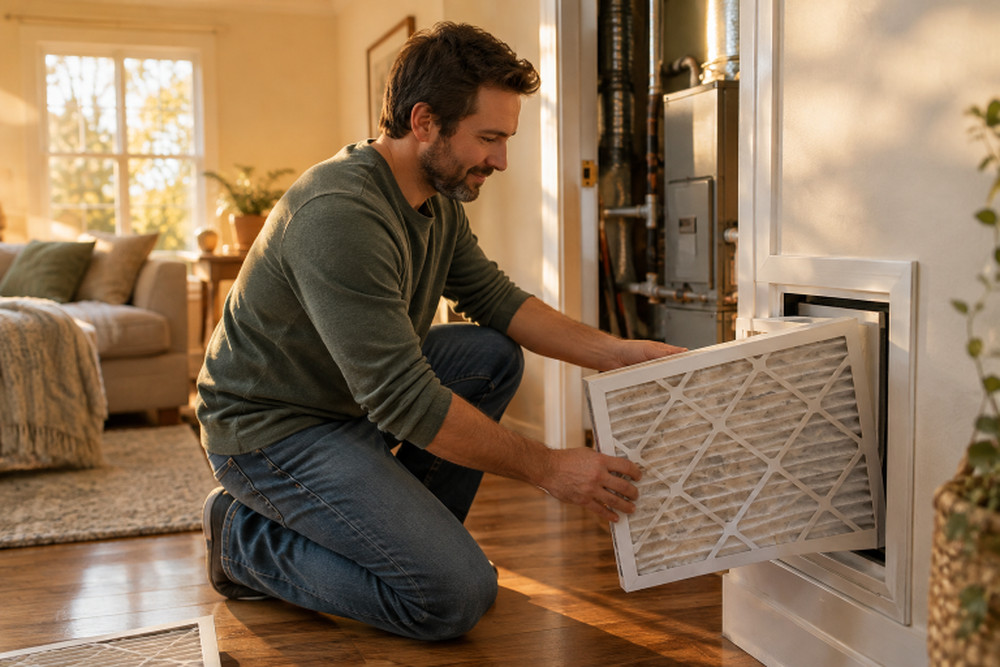
- Replace or clean the air filter according to the equipment instructions.
- Make sure supply vents and return grilles are open and unobstructed.
- Check visible drain areas and outdoor equipment for debris or standing water.
- Write down unusual odors, sounds, weak airflow, cycling, or uneven room temperatures.
- Arrange professional service if the issue continues or raises a safety concern.
Spring Preparation for Cooling Season
Spring is a practical time to prepare for air conditioning use. Start with a clean filter, then walk through the house and confirm that vents are not blocked by furniture, rugs, curtains, or storage. Outdoors, remove leaves, grass clippings, and loose debris from around the condenser while avoiding damage to its fins or wiring.
What to check before the first hot day
- Set the thermostat to cooling and confirm that it responds normally.
- Look for water near the indoor unit or condensate drain line.
- Listen for persistent buzzing, grinding, rattling, or repeated clicking.
- Notice whether air reaches rooms evenly after the system has run.
Do not open electrical panels, try to diagnose capacitors, or handle refrigerant lines. Those tasks require training, appropriate tools, and safety procedures.
Summer Warning Signs to Watch
Watch for an AC that runs constantly without cooling, warm vent air, weak airflow, uneven room temperatures, water near the air handler, or ice on refrigerant lines or the indoor coil. Increased energy use alongside reduced comfort may also signal a problem.
If ice appears, turn off cooling to prevent strain. Fan-only mode may thaw the coil; follow the manual and stop if unsure. If freezing returns, arrange service instead of repeatedly restarting the system.
Fall Preparation for Heating Season
Test the heating system before the first cold night. Replace an overdue or dusty filter, clear the area around the furnace or air handler, and make sure registers remain accessible. Check carbon monoxide alarms according to the manufacturer’s instructions, including battery replacement where applicable.
A brief dusty smell can occur when heating starts after months of inactivity. However, a gas odor, smoke, a burning plastic smell, delayed ignition, repeated shutdowns, or unusual cycling deserve prompt attention. If you smell gas, leave the area, avoid operating switches or electronics, and follow your gas utility’s emergency instructions.
Winter HVAC Safety and Comfort Checks
During colder weather, keep furniture and rugs from blocking registers and watch for rooms that suddenly become much colder than the rest of the home. For heat pumps, keep the outdoor unit reasonably clear of debris so air can move around it. Do not use an oven, grill, or other equipment not designed for indoor space heating to warm the house.
If a carbon monoxide alarm sounds, move everyone outside immediately and contact emergency services or the appropriate emergency provider. Do not re-enter until emergency responders say it is safe.
Indoor Air Quality Basics
HVAC care affects more than temperature. A properly fitted filter can capture airborne particles while protecting equipment from excess dust buildup. Keep return grilles clean, vacuum pet hair and dust near vents, and address moisture concerns that may contribute to musty conditions.
More filtration is not always better. A denser filter can increase airflow resistance, and not every system is designed for it. Check the owner’s manual or ask a qualified technician before changing filter types. Depending on household needs, it may also be useful to discuss humidity control, ventilation, portable air cleaners, or other indoor air quality options.
Should You Repair or Replace the System?
A repair may make sense when the problem is isolated, replacement parts are available, and the system returns to dependable operation. A replacement discussion may be reasonable when repairs are frequent, comfort remains uneven, operating costs continue to rise, or the equipment no longer meets the home’s needs.
Before choosing new equipment, ask for a full review of system sizing, duct condition, insulation, airflow, and warranty status. Bigger equipment is not automatically better. Correct sizing and installation matter because an oversized or undersized system can create comfort and performance problems.
Questions to Ask an HVAC Technician
- What caused the problem, and what was tested?
- Is the issue safe to monitor, or does it need immediate repair?
- Could airflow, ductwork, drainage, or thermostat settings be contributing?
- Is the proposed repair covered by a parts or labor warranty?
- What routine maintenance can I safely perform myself?
- If replacement is recommended, how will the new system be sized?
- What refrigerant does the system use, and what does that mean for future service?
Refrigerant work is not a do-it-yourself task. The EPA advises homeowners to work with technicians who have the required certification and to request leak repair rather than repeatedly adding refrigerant to a leaking system. Its guidance for homeowners with air-conditioning equipment also explains why the refrigerant type and condition of an older system can matter when planning repairs or replacement.
A Better HVAC Routine for Every Season
A reliable HVAC routine is built on small, repeatable actions: check filters, keep airflow paths open, watch for changes, and call for help when safety or system performance is in question. Taking these steps throughout the year can make heating and cooling decisions more manageable when the weather becomes extreme.