Now Reading: How Efficient Heating Systems Are Changing Home Comfort
-
01
How Efficient Heating Systems Are Changing Home Comfort

Key Takeaways
- Modern heating systems, such as heat pumps, deliver remarkable energy savings and consistent comfort for homeowners.
- Local and federal programs are accelerating the transition to higher-efficiency heating solutions.
- Advanced HVAC technology offers quieter operation and significantly enhances indoor air quality.
Home heating is undergoing a transformative shift, with advanced technologies reshaping both comfort and sustainability for millions of households. While fossil-fuel furnaces once dominated the marketplace, options like the ducted heat pump system are now leading the way in both energy efficiency and everyday usability. As energy prices and environmental concerns rise, consumers are increasingly seeking solutions that reduce costs, shrink carbon footprints, and provide a more comfortable living experience.
The adoption of efficient heating systems isn’t just a trend—it’s quickly becoming the standard. Heat pumps, for example, harness cutting-edge engineering to transfer heat rather than create it from scratch. The result is a system that can heat (and often cool) homes with far less energy than traditional systems require. These innovations don’t only lower bills; they also support climate goals by significantly reducing emissions.
Over the past decade, new construction codes, improved building insulation, and growing awareness of indoor air quality have driven demand for systems that do more than provide heat. Homeowners today expect comfort, savings, and healthier indoor environments all under one roof. Technologies like smart thermostats and inverter-driven compressors enable these new heating systems to deliver precise control and optimal performance regardless of the weather outside.
As the industry evolves, consumers have more choices than ever before—yet the benefits don’t stop at energy savings. Advanced filtration, reduced noise, and automated settings are helping people enjoy quieter, cleaner, and more convenient homes.
The Rise of Heat Pumps
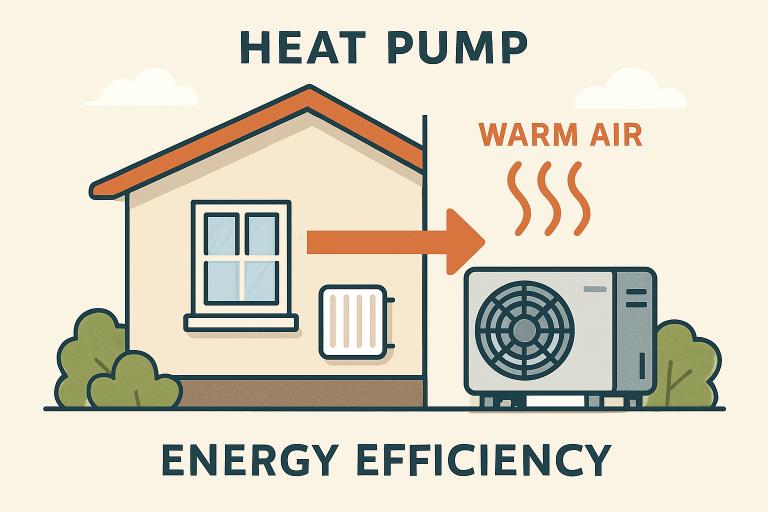
Heat pumps have quickly established themselves as the preferred solution for efficient heating and cooling. Unlike conventional furnaces, heat pumps use electricity to move heat from the air or ground outside into your home. This method can produce up to four times the energy it consumes, according to the U.S. Department of Energy (energy.gov). Heat pumps are available in various configurations, including ducted systems for whole-home comfort and ductless options for targeted zones or additions.
Because they rely on moving heat rather than creating it from fossil fuels, heat pumps operate with unrivaled efficiency. Modern models can maintain performance even in freezing temperatures, thanks to advancements in compressor and refrigerant technology. This adaptability means that homeowners in nearly all climates can experience the comfort and savings heat pumps offer while also reducing their reliance on fuel oil, propane, or natural gas.
Government Initiatives and Incentives
Federal and state governments recognize the value of energy-efficient systems and are implementing programs to accelerate their adoption. For example, a landmark initiative announced by a bipartisan coalition of 25 state governors aims to quadruple the number of heat pumps installed in American homes by 2030. Homeowners can benefit from rebates, tax credits, and low-interest financing that help offset the upfront costs of upgrading to advanced heating technology.
In addition to cost-saving incentives, governments are tightening building energy codes and utility standards to encourage the transition to systems that align with national decarbonization targets. The convergence of policy, market incentives, and education is creating a clear pathway for millions of households to enjoy cleaner energy and lower bills.
Technological Advancements in HVAC Systems
Heating, ventilation, and air conditioning (HVAC) systems have undergone significant advancements in both design and functionality. Features such as inverter-driven compressors allow units to run at variable speeds, minimizing energy waste and ensuring a steady, comfortable indoor environment. Many of today’s units also integrate seamlessly with smart home technology, allowing for remote monitoring, scheduling, and energy optimization from smartphones or voice-activated devices.
Another significant leap forward is air purification. Modern HVAC systems are often equipped with advanced filtration, such as HEPA filters or UV light, to capture microscopic particulates, allergens, and pathogens, directly addressing indoor air quality concerns that have become top-of-mind for many families.
Energy Savings and Cost Benefits
One of the most compelling reasons to upgrade to an energy-efficient heating system is the immediate and ongoing savings on utility bills. Heat pumps and high-efficiency furnaces consistently consume less energy than older systems, translating to lower monthly expenses. Over just a few years, these savings often offset the initial investment, resulting in both shorter payback periods and increased home value.
For households opting into government-backed rebates, the financial advantages grow even stronger. These programs make the latest technologies more accessible, allowing more homeowners to enjoy year-round comfort without the burden of high energy costs.
Enhanced Comfort and Indoor Air Quality
Comfort isn’t just about temperature. Efficient heating systems maintain consistent warmth throughout the home, eliminate chilly drafts, and operate quietly. Improved ducting and fan designs result in reduced noise and more reliable airflow, eliminating hot and cold spots that plague older setups. Enhanced filtration systems also contribute to improved health by removing airborne allergens, bacteria, and particulates, thereby creating healthier living environments for children, seniors, and individuals with allergies or asthma.
Environmental Impact
Switching to a high-efficiency heating system is also a powerful way to support environmental health. These systems consume less energy, generate fewer emissions, and reduce demand for non-renewable fuels. For homeowners seeking to reduce their ecological footprint without sacrificing comfort or convenience, the latest heating technologies offer the best of both worlds.
Conclusion
The evolution of efficient heating systems represents more than just an industry trend—it’s a complete reimagining of what home comfort can mean. Today’s advanced technologies offer not just significant energy savings and lower costs, but also a healthier, quieter, and more consistent home environment. Supported by government incentives and motivated by a sense of climate responsibility, homeowners have never had a better opportunity to make the switch, ensuring a brighter and more comfortable future for themselves and generations to come.