Now Reading: Exploring the Essential Uses of Alloy Steel Across Modern Industries
-
01
Exploring the Essential Uses of Alloy Steel Across Modern Industries

Key Takeaways
- Alloy steel offers exceptional strength, durability, and adaptability for diverse applications.
- Technological innovation has expanded its usage, making operations in tough environments safer and more efficient.
- Strategically choosing alloy steel for specific purposes can greatly impact performance and longevity in critical industries.
Alloy steel, renowned for its strength and adaptability, has become a cornerstone material across a spectrum of industries. Its unique blend of qualities supports innovations in engineering and manufacturing, driving advances in fields as diverse as automotive production and cutting-edge aerospace design. As sectors demand higher performance and reliability, specialized grades such as 4140 alloy continue to see growing applications, pushing the boundaries of what can be achieved with metallic materials.
The ability of alloy steel to withstand intensive mechanical stress, resist corrosion, and maintain structural integrity in harsh environments makes it an invaluable choice for designers and engineers. This material’s composition can be tailored to meet the specific requirements of different operations, ensuring optimal safety, efficiency, and service life. From towering skyscrapers to life-saving surgical tools, alloy steel’s influence is everywhere, underscoring its pivotal role in the infrastructure of modern life.
Recent developments in metallurgy have not only improved the strength and resilience of alloy steel but also expanded its use into new markets focusing on sustainability and performance. With sectors placing more emphasis on longevity and material efficiency, alloy steel is often selected to deliver maximum value and security across a component’s lifespan.
Gaining familiarity with the diverse applications of alloy steel enables more informed choices during material selection, which can minimize costs, reduce environmental impacts, and enhance the function of engineered systems. For those seeking innovation in construction, transportation, or manufacturing, alloy steel opens a world of possibilities where reliability and adaptability matter most.
Automotive Manufacturing
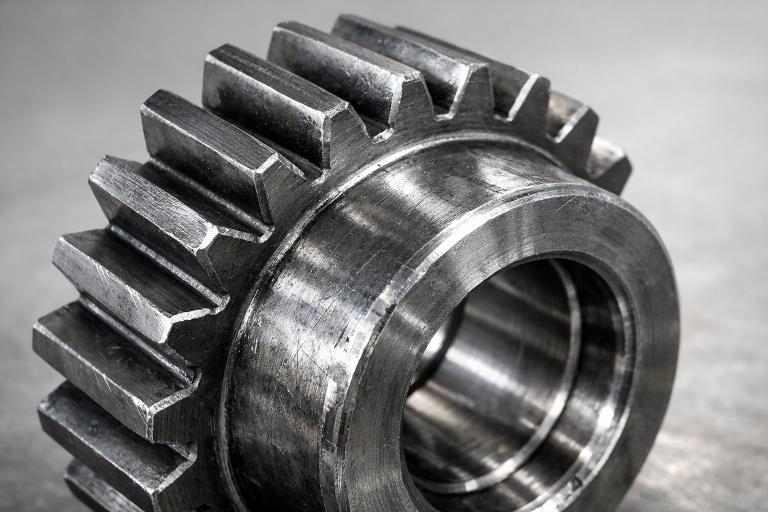
In the automobile sector, alloy steel plays a crucial role in enhancing both safety and performance. Its high strength-to-weight ratio allows manufacturers to create lighter vehicles, improving fuel efficiency while maintaining critical safety standards. Hard-wearing components such as gears, drive shafts, axles, and engine parts all rely on alloy steel to endure long-term stress without failure. Automobile manufacturers continue to explore innovative alloys to meet evolving environmental regulations and consumer expectations for reliability and energy efficiency.
Aerospace Engineering
The aerospace field demands materials that can withstand both extreme mechanical loads and fluctuations in temperature during flight. Alloy steel provides these qualities, making it a preferred choice for critical components like landing gear, engine casings, and various structural elements. The ability to tailor alloy composition allows engineers to maximize performance while adhering to stringent safety requirements. This has been particularly impactful in commercial aviation and space exploration, where reliability under pressure is non-negotiable. Notably, advances in alloy steels have supported the rise of lightweight, fuel-efficient aircraft, contributing to more sustainable aviation globally.
Construction and Infrastructure
Alloy steel’s robustness is a game-changer for construction and infrastructure projects. Architects and engineers trust this material when constructing bridges, tunnels, skyscrapers, and other large-scale structures. Its resistance to corrosion and impressive tensile strength ensure longevity and minimize maintenance costs, even in aggressive environments. Innovations in alloy steel alloys allow infrastructure to withstand seismic activity and severe weather, protecting public safety and economic investments. For further reading on the role of advanced materials in construction, visit this Britannica article on construction.
Energy Sector
The energy industry, encompassing oil and gas, power generation, and renewables, utilizes alloy steel for its resilience to high pressures and corrosive elements. Pipelines, drilling apparatus, and power plant turbines must endure tough operational conditions. Alloy steel’s adaptability ensures components maintain integrity and efficiency, which is vital in protecting the environment and supporting an uninterrupted energy supply. Its specialized grades are frequently employed in subsea and geothermal applications, where both mechanical strength and resistance to chemical degradation are essential.
Tooling and Manufacturing
Alloy steel is also indispensable in manufacturing environments, where tools are exposed to constant wear and high-intensity use. Cutting tools, dies, and molds benefit from alloy steel’s hardness, ensuring precision during repeated use and complex manufacturing cycles. The wear resistance and machinability of alloy steels help reduce downtime and optimize production efficiency. Adopting premium alloy steels in tooling supports both quality assurance and cost efficiency, allowing manufacturers to meet growing market demands with confidence.
Marine Industry
Marine applications place extreme demands on materials due to the corrosive effects of saltwater and mechanical stresses from waves and currents. Alloy steel’s ability to resist these forces makes it a trusted material in shipbuilding, offshore platforms, and underwater pipelines. Its durability extends the lifespan of vessels and infrastructure, reducing maintenance costs and ensuring safety for both cargo and crew. High-strength marine-grade alloys make it possible to achieve reliable performance even in the world’s harshest oceans and coastal environments.
Medical Equipment
In the medical sector, alloy steel is chosen for surgical instruments, orthopedic implants, and a wide range of medical devices. Its biocompatibility and resilience to sterilization processes are critical for preventing infection and safeguarding patient health. Alloy steel’s non-reactive nature and strength allow for repeated use, making it cost-effective and safe over long periods. The constant evolution of medical technology continues to rely on new grades of alloy steel to address emerging clinical challenges and regulatory standards.
Conclusion
The widespread adoption of alloy steel in diverse industries illustrates its unmatched versatility and reliability. Whether supporting infrastructures, flying at high altitudes, facilitating medical procedures, or enabling cutting-edge manufacturing, alloy steel’s blend of properties continues to drive technical progress and sustainability. As industries face new challenges, the development and use of advanced alloy steels promise ongoing innovation and improved standards for safety and efficiency worldwide.