Now Reading: Maximizing Reliability in Industrial Pump Systems: Strategies for Uptime and Performance
-
01
Maximizing Reliability in Industrial Pump Systems: Strategies for Uptime and Performance
Maximizing Reliability in Industrial Pump Systems: Strategies for Uptime and Performance

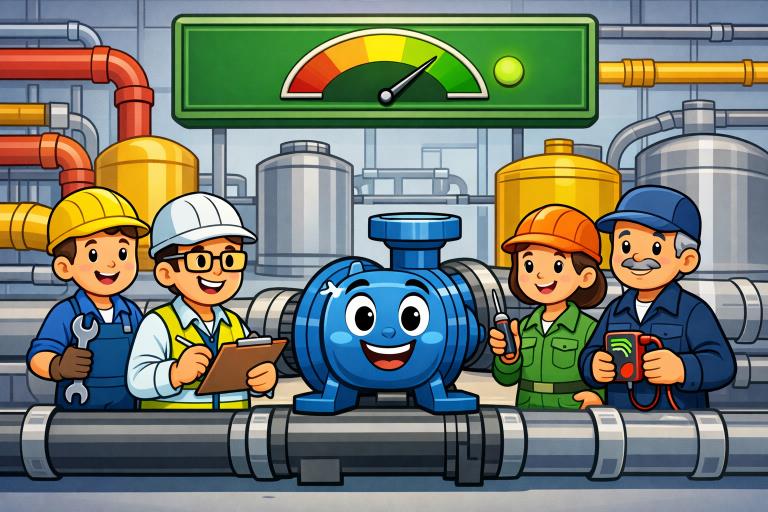
Key Takeaways
- Reliable pump systems are essential for continuous, safe, and cost-effective industrial operations.
- Consistent maintenance and monitoring significantly reduce the risk of costly, disruptive failures.
- Adopting advanced technology and investing in employee training can dramatically enhance pump longevity and performance.
Industrial operations depend on the seamless functioning of pump systems to maintain high productivity, efficient processes, and continuous output. Ensuring the reliability of these systems not only limits unplanned shutdowns but also extends equipment life. For companies exploring pump solutions, you can learn more details on quality pump options and support for your facility.
Pumps form the backbone of critical infrastructure, from chemical manufacturing to water treatment and oil extraction. Their consistent reliability underpins everything from worker safety to cost control. When systems falter, risks can extend beyond temporary production delays, potentially leading to lost revenue, product loss, or even compliance violations of environmental or safety regulations.
Whether in a pharmaceutical plant where stringent requirements exist or in a wastewater treatment facility serving thousands, pump failures can have wide-reaching ripple effects. Downtime disrupts operations and can also strain staff, resources, and budgets as organizations scramble to solve preventable issues.
Modern strategies and technology continue to reshape how industries approach pump management, leading to greater efficiency and resilience in the face of evolving challenges. According to the Hydraulic Institute, proactive practices and digital monitoring have become central in reducing unplanned system failures.
The Importance of Pump Reliability in Industry
Pump reliability is critically tied to the stability and reputation of industrial facilities. Essential processes in sectors such as water treatment, food processing, petroleum, and pharmaceutical manufacturing rely on pumps to transfer fluids, maintain pressures, and support cleaning and safety routines. When a pump falters, it can halt entire production lines, risking not only financial loss but also compliance with stringent quality standards. For example, the American Water Works Association highlights the critical relationship between reliable pumps and water safety, as even brief downtime can cause major disruptions in public utilities.
Common Challenges in Maintaining Pump Systems
Several threats can affect industrial pumps, from technical problems to environmental and process-based risks. Cavitation, where vapor bubbles damage internal components, is a frequent challenge, often caused by improper system design or fluctuating conditions. Seal leaks, bearing degradation, and misalignments are other leading issues, with consequences such as decreased efficiency, equipment wear, or even catastrophic breakdowns.
Impeller wear, common in abrasive or corrosive operations, can decrease a system’s overall performance, leading to energy waste and higher costs. Monitoring for subtle changes, such as vibrations or unusual noises, is crucial in identifying these failures before they escalate. In municipal wastewater operations, performance deviations may result in environmental contamination or violations of state and federal regulations, underlining the necessity for robust maintenance and oversight.
Strategies for Enhancing Pump Reliability
Improving pump reliability requires a holistic approach combining proactive maintenance, digital monitoring, and comprehensive training:
- Regular Maintenance:Establishing and strictly following a scheduled maintenance regime ensures that pumps operate within specified performance limits. Tasks include checking lubrication, seal condition, alignment, and flow parameters, as well as systematic cleaning.
- Condition Monitoring:Early detection of issues through vibration analysis, pressure measurements, and real-time data analytics is vital. Modern sensor systems and automated alerts allow teams to spot trends or deviations that may precede failures and address them quickly.
- Employee Training:Well-trained staff are less likely to misuse or improperly maintain equipment and can recognize early signs of malfunction. Training programs focus on operational best practices, maintenance routines, and emergency responses, strengthening the organization’s overall risk management.
Leveraging Advanced Technologies
Industries are rapidly deploying advanced technology to increase pump reliability and efficiency. The integration of Industrial Internet of Things (IIoT) solutions enables live dashboards, predictive analytics, and remote monitoring. For example, IIoT-enabled condition monitoring can track variables such as vibration, temperature, and pressure, alerting operators to potential failures before they lead to costly downtime. According to a U.S. Department of Energy report, digital tools are cutting maintenance costs and extending pump lifespans in energy-intensive industries worldwide.
Case Study: Reducing Downtime with Data-Driven Monitoring
A high-volume e-coating facility recently experienced repeated pump failures, resulting in lost production time and increased overtime costs. By implementing a data-driven equipment-monitoring strategy, the facility collected performance metrics for all critical pumps and adopted predictive maintenance routines based on real-time data. The transition reduced failure rates, minimized emergency repair costs, and enabled leaner staffing by reducing nighttime callouts.
Conclusion
Reliable industrial pump systems safeguard process integrity, reduce operational expenses, and ensure organizations can meet regulatory and production targets. By adopting regular maintenance schedules, embracing sensor-based condition monitoring, and investing in continuous workforce training, industries can proactively manage challenges and maximize uptime. Future-focused facilities that integrate advanced technology and proven strategies into their pump management routines will benefit from improved efficiency, reduced unplanned downtime, and a stronger bottom line.