Now Reading: Mastering Background Removal: Techniques for Professional, Clean Images
-
01
Mastering Background Removal: Techniques for Professional, Clean Images

Key Takeaways
- High-quality source images are crucial for effective background removal.
- Various tools and techniques cater to different needs and skill levels.
- Attention to detail, especially around edges and fine details, ensures professional results.
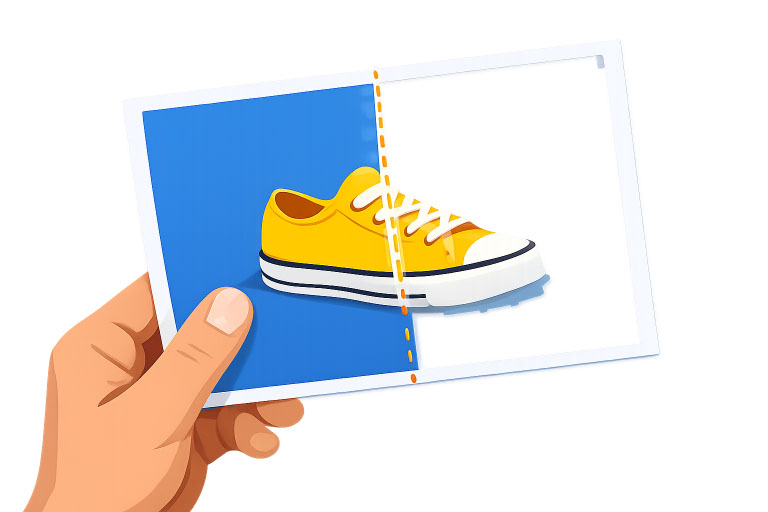
Removing backgrounds from images is a vital skill for photographers, marketers, and designers who want to create striking and polished visuals. Whether you are preparing product photos for an e-commerce website or crafting content for social media, understanding the best ways to clear background image elements can elevate your final results. Attention to detail in this process is key to making your subjects stand out against any backdrop, providing flexibility for different promotional and creative uses.
The ability to remove backgrounds quickly and accurately enables the creation of unique compositions, ad designs, and transparent images for various platforms. As demand for professional-grade, adaptable images increases, learning both manual and automated background-removal methods is becoming increasingly important for anyone working with digital images.
Choosing the right approach depends on your project’s requirements, your familiarity with editing tools, and the quality of your source image. Consistent success in background removal also requires an understanding of how to handle delicate details such as hair, fur, or textured edges. Avoiding common mistakes will help ensure your work looks authentic and polished, especially in competitive fields like e-commerce and brand marketing.
Staying up to date with the latest techniques and software is equally important, especially as AI continues to improve the efficiency and precision of background removal tools. For those getting started or looking to deepen their skills, referencing guides and tutorials from authoritative sources, such as Adobe’s official background-removal guide, can offer valuable tips and best practices.
Importance of High-Quality Source Images
Beginning with a high-resolution, well-lit photo sets the foundation for effective background removal. Images that are blurry, pixelated, or poorly lit make it difficult to distinguish the subject from the background. This can result in jagged edges or the loss of fine details during editing, especially when working with intricate subjects like jewelry, textiles, or people. Always capture or select photos with ample contrast between the foreground and background. A clear separation allows tools, whether manual or automated, to perform more effectively and reduces the time required for touch-ups.
Tools and Techniques for Background Removal
The method you choose for background removal depends on several factors: the image complexity, the intended use, and your comfort level with editing technology. Here are the main categories of tools:
- AI-Powered Tools:Services such as Adobe Express use advanced AI to recognize the main subject and remove the background automatically. These tools are perfect for quick edits of simple images, such as product shots with a clear distinction between item and background.
- Manual Editing Software:Programs like Adobe Photoshop and GIMP provide granular control for challenging images. Using lasso, magic wand, or pen tools, you can trace and refine the subject with great precision. Layer masks and brushes let you smooth out details and restore areas that might have been accidentally removed.
- Online Platforms:For users who do not want to install software, numerous web-based editors offer straightforward background removal capabilities. These are great for beginners or for those working on the go, though they may offer fewer advanced options than desktop applications.
For a comprehensive breakdown of available background removal methods, check out TechRadar’s tutorial, which highlights popular tools and their best use cases.
Handling Fine Details and Edges
One of the biggest challenges in background removal is handling complex edges, such as those in hair, fur, or intricate designs. While AI tools are increasingly effective at identifying and preserving these nuances, they are not foolproof. Manual touch-ups can often enhance the finished look. Techniques such as feathering the edges, refining masks, and using soft-edged brushes will help the subject blend smoothly into its new environment. For professional results, zoom in closely and inspect all borders, ensuring that there are no harsh lines or missed pixels.
Common Mistakes to Avoid
Many errors can undermine the professionalism of an edited image. Two of the most frequent are:
- Ignoring Shadows and Reflections:When you remove the background, pay attention to any realistic shadows or reflections. Erasing these can make the subject look unnatural or out of place in its new context. Use layer tools to recreate subtle shadows as necessary.
- Over-Editing:It is tempting to keep refining, but excessive adjustments can rob your image of its natural appeal. Maintain the original shape and details of your subject for a more authentic look.
Best Practices for Specific Use Cases
Your approach should be adjusted depending on the type of image and the intended purpose:
- Product Photography:Consistency is the golden rule in e-commerce. Aim for pure white or standardized backgrounds that meet platform requirements. Good lighting and even exposure ensure that all your listings look professional and cohesive.
- Portraits:Human subjects present specific challenges. Pay attention to fine edges around hair and clothing. Tools with advanced edge detection or “refine edge” technology, like those in Photoshop, make these transitions smoother and more realistic.
Choosing the Right File Format
Once the background is removed, choosing a file format that supports transparency is essential. PNG files are widely supported and preserve transparent backgrounds. This allows you to easily layer your subject over new backgrounds or use the images in graphic projects without unwanted artifacts. Avoid JPEG for images that require transparency, as this format does not support transparency and can introduce artifacts along edges.
Conclusion
Mastering background removal skills elevates your images and broadens their versatility across digital and print platforms. By starting with high-quality images, choosing the right tools, and carefully handling details and edges, you will achieve polished, professional-grade results. Applying these best practices will set your visuals apart, whether for merchandising, branding, or creative projects.