Now Reading: Choosing A Safer, More Durable Fence For Denver Homes
-
01
Choosing A Safer, More Durable Fence For Denver Homes

Key Takeaways
- The right fence begins with the property’s primary purpose, whether that is privacy, pet containment, security, appearance, or boundary definition.
- Denver’s intense sun, winter weather, wind, and changing soil conditions can influence material selection, post installation, and maintenance needs.
- Wood, vinyl, composite, metal, and chain link each have useful roles, but no single material is best for every Denver property.
- Fence height, gate hardware, openings, and ground clearance matter as much as the fence panels when pets use the yard.
- Property lines, HOA standards, zoning limits, and utility locations should be reviewed before construction starts.
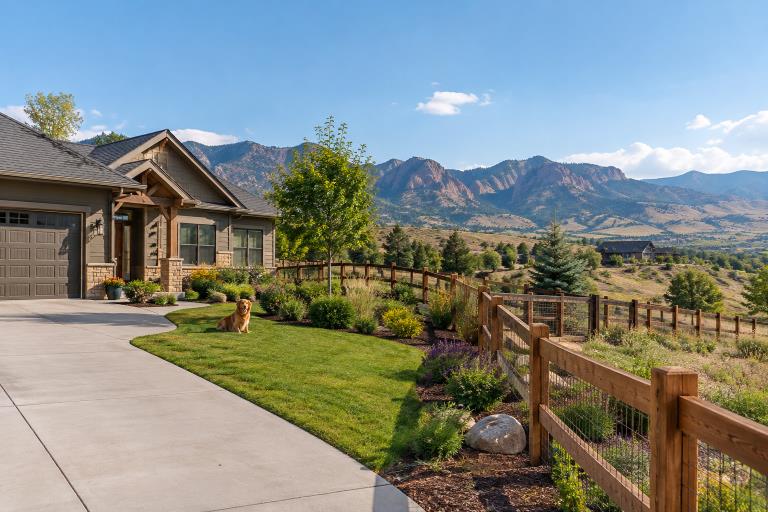
A fence does more than mark the edge of a yard. For Denver homeowners and commercial property owners, it can create privacy from an alley or neighboring patio, protect a garden, guide visitor access, and give dogs a secure outdoor space. Planning a new fence Denver project around the property’s actual needs can help prevent expensive changes after installation.
Denver metro lots vary widely, from compact city backyards to open suburban corners and commercial sites with vehicle access. A tall solid fence may suit one location but place much more force on posts in a windy area. The most durable choice is usually the one that balances material, design, installation details, upkeep, and local requirements.
Start With The Property’s Main Goal
Before comparing styles, identify what the fence must accomplish every day. A privacy fence needs different features than an enclosure for a large dog or a perimeter fence for a business.
- Privacy: Consider panel spacing, fence height, nearby second-story windows, patios, sidewalks, and alley access.
- Pet containment: Prioritize secure gates, sturdy posts, small openings, and a bottom edge that does not leave an escape gap.
- Security: Think about gate placement, locking hardware, visibility around entrances, and whether the layout creates easy climbing points.
- Style: Choose a design that works with the home or building exterior, landscaping, and the character of the neighborhood.
- Boundary definition: Open metal, chain link, or rail-style fencing may define space without blocking light and views.
Compare Common Fence Materials
Wood Fences
Wood offers a warm appearance and broad design flexibility, from straightforward vertical privacy panels to custom horizontal layouts. It needs regular inspection and maintenance because moisture, sun exposure, and ground contact can affect its condition over time. Good drainage near posts and timely sealing or staining can help preserve the fence.
Vinyl And Composite Fences
Vinyl is often selected for its low-maintenance surface and resistance to insects and moisture. Composite can provide a wood-like look with less routine refinishing. Both choices still depend on sound post installation, dependable fasteners, and product-specific care instructions. Review the warranty, color options, and structural components rather than judging materials by appearance alone.
Metal And Chain Link Fences
Steel and aluminum fences can work well where visibility, access control, or a more open look is important. Chain link remains a practical choice for side yards, gardens, pet runs, utility areas, and many commercial applications. Privacy slats and screening can change the look of chain link, but they can also increase wind resistance, so the framework should be designed accordingly.
Match The Fence To Denver Weather
Denver fences can experience strong sunlight, snow accumulation, freeze-and-thaw cycles, gusty weather, and dry conditions. These factors make installation quality especially important. Posts should be properly set, water should drain away from vulnerable areas, and gates should be supported so they continue to operate smoothly.
Solid privacy panels catch more wind than open designs. On exposed lots, homeowners may prefer reinforced posts, carefully planned gate widths, or partial-open sections that reduce pressure while maintaining useful screening. A seasonal inspection after winter and before summer storm season is a practical time to check loose hardware, leaning posts, cracks, and vegetation pressing against the fence.
Consider Fire Risk Near The Home
Where wildfire exposure is a concern, the fence should be considered part of the home’s surrounding ignition zone, especially when it connects to a wall, deck, shed, or gate structure. Colorado State University Extension notes that fences can act as a continuous line of fuel toward structures, so noncombustible materials near the building can be worth considering.
- Keep dry leaves, dead branches, combustible mulch, and stored materials away from the fence line near the home.
- Inspect connections between fencing, decks, sheds, and exterior walls.
- Use thoughtful plant spacing to avoid creating uninterrupted paths of vegetation toward structures.
- Consider noncombustible fencing sections nearest the house where appropriate for the property.
Build A Fence That Works For Pets
Pet safety depends on the entire enclosure, not only its height. Match fence height to the animal’s size, strength, and jumping ability. Check for spaces under panels, wide openings between rails, loose boards, sharp points, and gate latches that can be bumped open.
For properties subject to special animal permit requirements, Denver’s animal ordinances and legislation include fencing requirements for some permit situations. Self-closing gates and secure latches can add another layer of protection for busy households and shared outdoor spaces.
Review Privacy, Light, And Wind
A solid fence provides the greatest visual separation, but it can also block garden light and be subject to greater wind pressure. Semi-open designs, lattice accents, staggered boards, or planting beds can provide screening without making every side of the yard feel enclosed. Consider views from patios, kitchen windows, sidewalks, neighboring homes, and commercial entrances before finalizing the layout.
Check Denver Rules Before Building
- Confirm the property line through a survey or reliable property documentation.
- Review applicable city rules for height, placement, setbacks, and visibility near driveways or intersections.
- Obtain HOA or historic-district approval when it applies to the property.
- Contact 811 before post holes are dug so underground utilities can be located.
- Verify whether permits or additional approvals are needed for the planned fence, gate, or commercial access feature.
Use A Simple Fence Selection Scorecard
Compare each shortlisted option using the same priorities:
- How much privacy does it provide?
- Will it safely contain pets or define commercial access areas?
- How well does it suit the site’s wind exposure?
- How does it fit the property’s wildfire-conscious landscaping plan?
- What maintenance will it need over time?
- Does its appearance complement the building and surrounding area?
- Does the initial budget leave room for quality posts, gates, and hardware?
Choose For The Whole Property
The strongest fence decision looks beyond the lowest initial price. Denver property owners should choose a material and layout that address weather, privacy, pets, access, maintenance, and applicable requirements together. A well-planned residential or commercial fence can serve the property more reliably when every part of the system, from posts to gates to the surrounding landscape, is considered before work begins.