Now Reading: How To Plan A Low-Maintenance Outdoor Living Space That Works Year-Round In Manassas, Virginia
-
01
How To Plan A Low-Maintenance Outdoor Living Space That Works Year-Round In Manassas, Virginia
How To Plan A Low-Maintenance Outdoor Living Space That Works Year-Round In Manassas, Virginia

Key Takeaways
- Start with the activities your outdoor space needs to support each week.
- Review sunlight, drainage, slopes, access routes, and existing trees before selecting features.
- Choose durable surfaces and plants that suit Northern Virginia conditions and your maintenance goals.
- Plan shade, lighting, storage, and water management as core parts of the design.
- Expect seasonal upkeep, but use a simple layout to keep that work manageable.
- Create an overall plan before completing a larger project in phases.
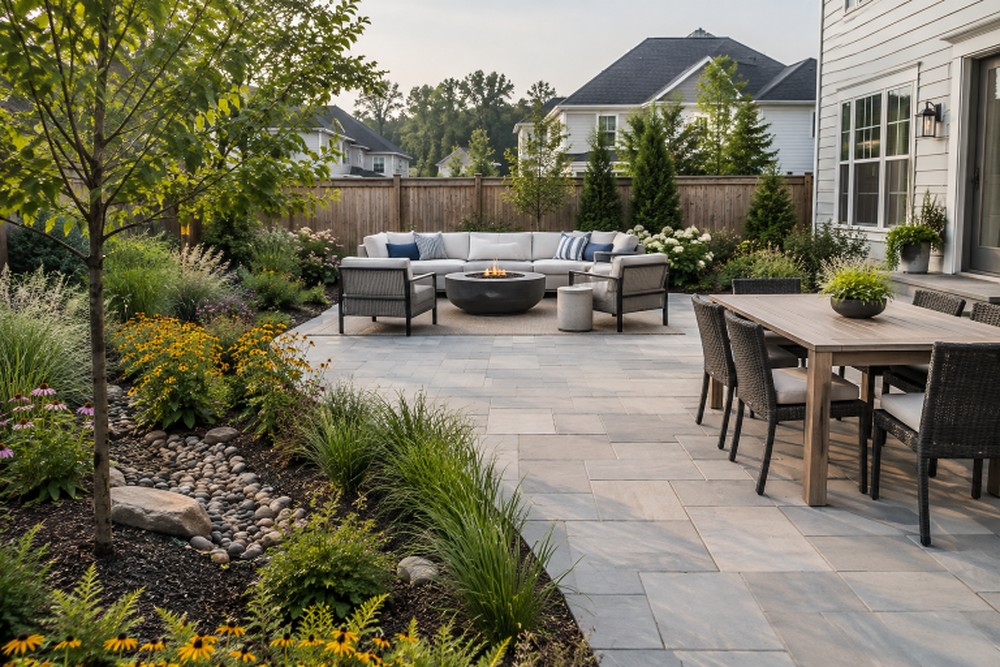
A well-planned backyard can make a Manassas home feel larger, more comfortable, and easier to enjoy through changing seasons. Whether the goal is a quiet morning coffee spot, a family dining area, or a practical place to gather with neighbors, the best results start with daily routines rather than a list of trendy features. Homeowners comparing options with deck and patio contractors Manassas can use those routines to make better decisions about layout, materials, and long-term care.
Low-maintenance does not mean maintenance-free. It means reducing unnecessary chores by avoiding awkward planting beds, hard-to-clean surfaces, poor drainage, and unused features. In Manassas, where outdoor spaces may see summer sun, leaf drop, rain, and winter freeze-thaw conditions, practical planning helps protect both comfort and investment.
Define The Purpose Of The Space
Start by identifying what should happen outside on an ordinary week. A compact patio used for meals several nights a week may be more valuable than a large, elaborate feature that sees little use. Write down the essential needs first, then separate them from nice-to-have additions.
Questions To Ask First
- Will the area be used for meals, relaxing, entertaining, play, or gardening?
- How many people should it comfortably seat on a typical day?
- Do children, pets, or older family members need clear and level paths?
- Should the grill be close to the kitchen door?
- Where will cushions, toys, tools, and seasonal items be stored?
A smaller design with direct access, enough seating, and room to move is usually easier to maintain than a crowded yard filled with separate features.
Study The Yard Before Building
Walk the property at different times of day before finalizing the layout. Note morning and afternoon sun, shade from the house or trees, wind exposure, views from inside, gates, utility locations, and the route between the kitchen and the yard. Watch what happens after a heavy rain, too. Water that gathers near a proposed patio, step, or planting bed should be addressed before finished surfaces are installed.
Prince William County advises property owners to keep gutters, ditches, drains, and water-flow paths clear and notes that raised features can disrupt natural runoff and create standing water problems. Those local drainage considerations are especially useful when planning grading, downspout outlets, retaining walls, or new hardscape areas.
Create Simple Outdoor Zones
Dividing a yard into a few clear zones makes it feel organized without overcomplicating it. Place the most frequently used area close to the home, and reserve distant corners for quieter or less-used functions.
- A dining zone near the door for easier serving and cleanup.
- A shaded lounge area for reading or conversation.
- A cooking zone with safe clearance around grills.
- An open lawn or durable play area for children and pets.
- A storage area that keeps supplies out of the main gathering space.
Simple zones also reduce narrow paths, tiny planting pockets, and inaccessible corners where leaves and debris tend to collect.
Choose Materials For Long-Term Care
Material selection should balance appearance with weather exposure, cleaning needs, traction, and repair options. Ask whether a surface needs regular sealing or staining, whether it becomes slick when wet, and whether a damaged section can be repaired without rebuilding the entire area. Consider how heat, frost, falling leaves, and muddy shoes will affect the surface during normal use.
For example, a light-colored surface may feel brighter in summer, while a textured finish may offer better footing around steps or wet areas. The best choice is one that suits the home and remains practical after the first season of use.
Select Plants That Fit The Site
Choose plants for the conditions that actually exist, not only for how they look at the nursery. Match each plant to available light, soil moisture, and mature size. Group plants with similar watering needs, leave access for pruning, and use mulch or suitable ground covers to limit exposed soil and weeds.
Native and well-adapted plants can be useful choices when they fit the site and the design. Virginia Cooperative Extension explains that layered native plantings can be planned around height, texture, seasonal interest, and site conditions. A mix of trees, shrubs, perennials, and ground covers often provides landscape structure without relying on a single plant type.
Plan Shade, Lighting, And Storage
Comfort features often determine whether an outdoor space is used beyond a few ideal-weather weekends. Shade may come from existing trees, umbrellas, covered seating, pergolas, or retractable systems. Place it where people actually sit, rather than where it looks best on a drawing.
Lighting should prioritize steps, walkways, entrances, gates, and dining areas. Keep fixtures accessible for cleaning and repairs. Add storage early so furniture covers, cushions, garden tools, and grilling supplies do not take over the patio.
Control Drainage And Water Use
Water management belongs at the beginning of the project. Direct roof runoff away from the home, avoid placing seating in natural collection points, and keep drains and irrigation controls easy to reach. Where needed, grading, swales, drains, or permeable materials may help manage runoff. Repeated pooling, erosion, or water near the foundation calls for a site-specific solution rather than a cosmetic fix.
Build A Simple Seasonal Care Plan
Spring And Summer
- Inspect paths, railings, drains, irrigation, and lighting.
- Remove winter debris and refresh mulch where needed.
- Clean up food spills promptly and watch plants for signs of heat stress.
Fall And Winter
- Clear leaves from drains, joints, steps, and walkways.
- Store or protect items not built for winter exposure.
- Check icy areas, handrails, and water movement during freeze-thaw periods.
Avoid Common Planning Mistakes
Common problems include choosing materials based solely on color, ignoring drainage until late in construction, planting too closely, using a single irrigation schedule for every plant, and forgetting about storage or service access. Another mistake is adding impressive features that do not support how the household actually spends time outdoors.
Phase The Project When Needed
A phased project can make a larger improvement more manageable. Start with safety, drainage, grading, and access. Next, build the primary patio, deck, or walkway. Planting beds, shade structures, lighting, storage, and decorative details can follow. The important step is to create a complete plan first, so each phase supports the next and avoids expensive rework.
Conclusion
A low-maintenance outdoor living space in Manassas starts with practical choices. Build around daily habits, study the site, select durable materials, match plants to the conditions, and make drainage, shade, lighting, storage, and seasonal care part of the original plan. The result can be an inviting outdoor area that works year-round without becoming another full-time chore.