Now Reading: A Brighter Smile: Choosing Between In-Office, At-Home, and Store-Bought Teeth Whitening in Virginia Beach, Virginia
-
01
A Brighter Smile: Choosing Between In-Office, At-Home, and Store-Bought Teeth Whitening in Virginia Beach, Virginia
A Brighter Smile: Choosing Between In-Office, At-Home, and Store-Bought Teeth Whitening in Virginia Beach, Virginia

Key Takeaways
- In-office whitening can provide a faster visible change under professional supervision.
- Dentist-provided at-home trays offer a gradual option with more flexibility.
- Store-bought strips and toothpaste may help with mild surface staining, though results vary.
- Fillings, crowns, veneers, and bonding do not whiten like natural teeth.
- Temporary tooth sensitivity and gum irritation can occur with peroxide-based whitening.
- A dental exam can identify concerns that should be addressed before whitening begins.
From coffee on the way to work to beach photos and special occasions, many Virginia Beach residents want a brighter smile without making a rushed decision. Searching for a whitening teeth treatment near me in Virginia Beach can be a helpful first step. Still, the right approach depends on your oral health, the type of discoloration, your desired timeline, and your teeth’s sensitivity. In-office whitening, dentist-provided take-home trays, and store-bought products can all have a place in a smile-care routine. The key is to set realistic expectations. Whitening can brighten natural tooth enamel, but it does not work the same way on every stain or every dental material.
Why Teeth Change Color
Tooth discoloration can be extrinsic, meaning it affects the outer enamel surface, or intrinsic, meaning it begins inside the tooth. Coffee, tea, red wine, tobacco, and plaque buildup can contribute to surface stains. Aging can make teeth look yellower as enamel becomes thinner and more of the naturally yellow dentin beneath it shows through. Some changes need closer attention. A tooth that turns gray after an injury, a dark spot accompanied by pain, or discoloration around an old filling may not be a simple cosmetic concern. The causes of tooth discoloration can include trauma, medications, decay, and aging, so identifying the reason for the color change matters before choosing a whitening method.
How Whitening Products Work
Most bleaching treatments use hydrogen peroxide or carbamide peroxide. These ingredients break stain compounds into smaller pieces, making the color less concentrated and the tooth appear brighter. The pace of whitening depends on the strength of the ingredient, how long it contacts the teeth, and how consistently the product is used. Professional and store-bought options do not all work at the same speed or intensity. The peroxide-based ingredients used in teeth whitening can be effective when used as directed, but more product or longer wear time does not necessarily mean better results. Following instructions protects both the teeth and gums.
In-Office Whitening: Fast Results Under Supervision
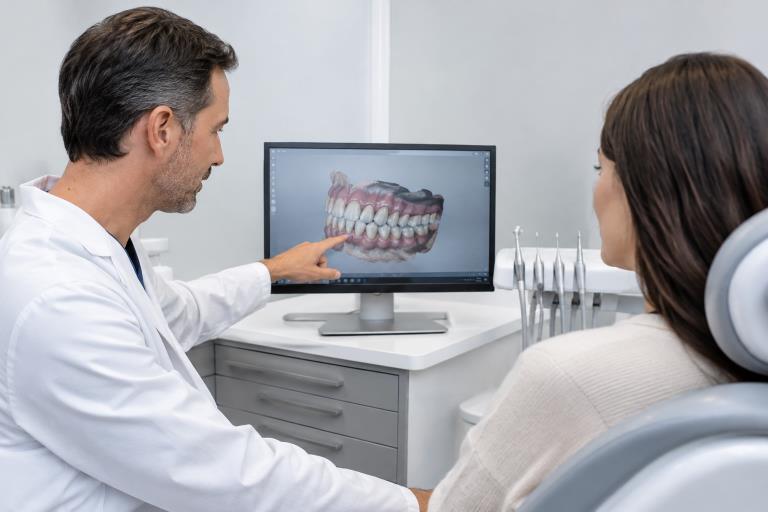
In-office whitening may be a practical choice for someone in Virginia Beach preparing for a wedding, graduation, vacation, professional photo session, or another upcoming event. A typical visit begins with a discussion of your goals and a review of your teeth and gums. The dental team may check for cavities, gum irritation, cracks, worn enamel, or restorations that could affect the outcome. During treatment, the gums and soft tissues are protected before whitening gel is applied to the teeth. The gel may be used in timed cycles, with instructions on sensitivity, food and drink choices, and touch-up care. Results vary based on the starting shade and the cause of staining, so a responsible provider will avoid promising an exact number of shades brighter.
At-Home Whitening: Gradual Results With Flexibility
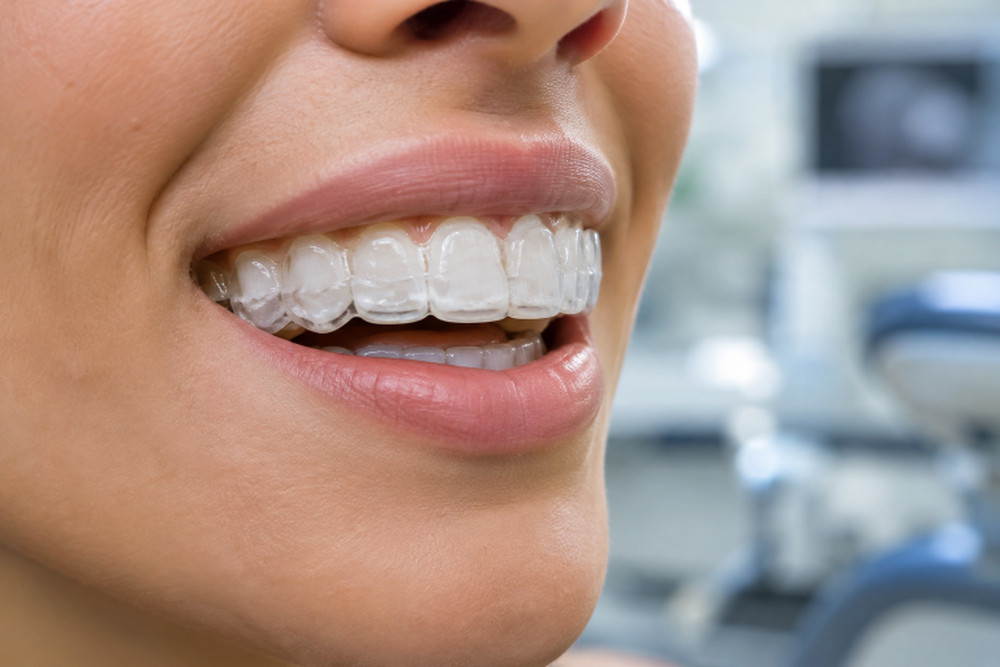
Dentist-provided take-home whitening typically uses custom trays that fit your teeth. A closer fit can help keep whitening gel where it belongs and make application more even. This option lets people whiten on a schedule that works around work, family commitments, and daily routines. Take-home whitening requires consistency and careful use. Wearing trays longer than instructed or adding extra gel can irritate gum tissue and increase sensitivity. For many people, the slower pace is an advantage because it allows adjustments if their teeth begin to feel tender.
Store-Bought Whitening Products: What to Expect
Store shelves offer whitening strips, toothpaste, rinses, pens, and generic trays. Whitening toothpaste primarily removes surface stains through polishing agents rather than changing the tooth’s internal color. Peroxide strips may lighten natural teeth over time, but their fit may be less precise than that of a custom tray.
A Simple Shopping Checklist
- Choose products with clear ingredient and usage information.
- Follow the recommended wear time exactly.
- Do not use extra gel or repeat treatments early to speed up results.
- Stop use and contact a dental professional if you have severe pain or persistent gum irritation.
- Consider products that carry the ADA Seal of Acceptance when appropriate.
Which Option Fits Your Goal?
- For a faster visible change: In-office whitening may fit people who have a short deadline and want professional oversight.
- For a gradual approach: Dentist-provided trays can fit people who prefer to whiten at home on a guided schedule.
- For mild surface stains: Whitening toothpaste or strips may be worth considering when expectations are modest.
- For deep, uneven, or unusual discoloration: Start with a dental evaluation. Bonding, veneers, or other care may be more suitable than repeated bleaching.
What About Sensitive Teeth?
Temporary sensitivity is a common concern with peroxide whitening. Existing sensitivity, gum recession, enamel wear, cavities, and overuse can all increase the likelihood of discomfort. If sensitivity develops, pause treatment and ask a dental professional whether a lower-frequency schedule or a desensitizing product is appropriate.
When Whitening May Not Work as Expected
Whitening does not change the color of crowns, veneers, fillings, or bonding. It may also produce limited or uneven results on gray teeth, trauma-related discoloration, medication-related stains, or deeply discolored teeth. Whitening should not be used to cover signs of decay, a cracked tooth, or gum disease.
Aftercare That Helps Maintain Results
- Brush twice daily with fluoride toothpaste and clean between teeth once daily.
- Rinse with water after coffee, tea, soda, or wine when possible.
- Limit tobacco use, which can create stubborn staining.
- Keep regular dental cleanings and exams.
- Use touch-up whitening only as directed.
Questions to Ask Before Whitening
- What is causing my tooth discoloration?
- Will whitening work on all of my visible teeth?
- Do cavities, gum concerns, or enamel wear need care first?
- Which option fits my timeline and sensitivity level?
- Will existing dental work need replacement for a closer color match?
Conclusion
The best teeth whitening method is not always the strongest or fastest option available. The right choice depends on the type of discoloration, the condition of your teeth and gums, your budget, and how quickly you want to see results. In-office whitening may suit patients with tight deadlines, while dentist-provided trays can offer greater flexibility for at-home whitening under professional guidance. Store-bought products may help reduce some surface stains, but their effectiveness varies depending on the product and the cause of discoloration. For Virginia Beach patients, it is important to consider tooth sensitivity, existing dental work, and overall oral health before starting treatment. Consulting a dental professional can help identify the source of staining and clarify which options are appropriate. By weighing comfort, cost, timing, and realistic expectations, patients can make a more informed choice and work toward a natural-looking smile without unnecessary irritation.