Now Reading: How Market Trends Influence Residential Property Sales
-
01
How Market Trends Influence Residential Property Sales

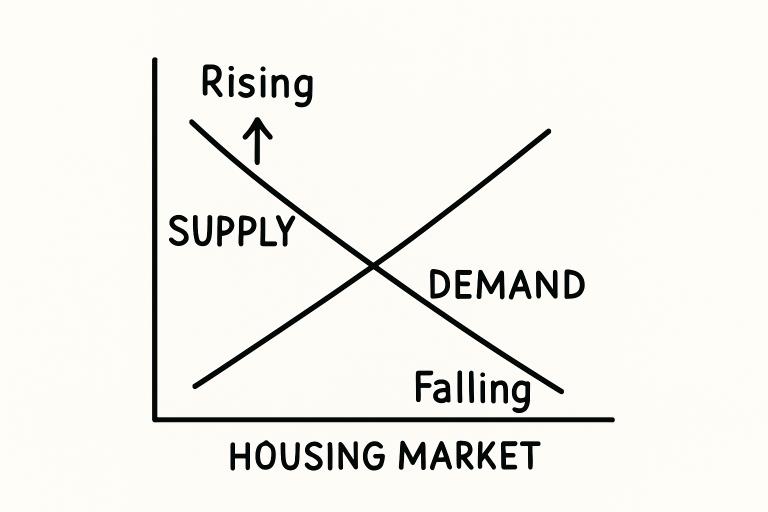
In a rapidly evolving real estate landscape, understanding market trends is essential for both buyers and sellers seeking to navigate residential property sales. From shifts in supply and demand to the increasing role of technology, the real estate market is shaped by an intricate web of influences. For homeowners looking to respond quickly to market changes (such as those aiming to sell their house fast), having a grasp of these key factors puts you in a stronger position to make decisions.
Economic indicators, new technologies, government policy changes, and seasonal cycles all converge to affect the buying and selling process. Recognizing the current forces at play can help people capitalize on favorable conditions or make competitive adjustments in slower markets. Whether you’re positioning a property for sale or searching for your next investment, a strategic market perspective yields better results.
If you want to stay updated on the latest information, resources like https://alaskanhomebuyers.com/sell-my-house-fast-girdwood-ak/ provide local insights and tips to understand better and respond to prevailing market movements. Gaining this knowledge can make a significant difference in your real estate journey.
Economic Indicators
The overall health of the economy is one of the most influential factors in residential real estate sales. Key economic indicators include:
- Gross Domestic Product (GDP):Economic expansion, as indicated by a rising GDP, is usually associated with increased employment and consumer spending. This optimism often translates into greater demand for homes, driving prices higher.
- Unemployment Rates:High unemployment, conversely, suppresses property purchases as fewer people can secure mortgages or feel confident about long-term financial obligations.
- Consumer Confidence:Buyers are more likely to make significant investments when they feel secure in the broader economic environment, leading to higher transaction volumes and price growth.
For more context on economic indicators and their influence on housing, consult guides from major resources like https://alaskanhomebuyers.com/.
Supply and Demand Dynamics
The supply of homes relative to buyer demand is perhaps the most direct driver of price changes in residential markets. For example, when the number of buyers exceeds the available inventory, bidding wars are more common, and sale prices often exceed the initial asking price. According to recent market analyses, single-family existing home listings have increased by 20% year-over-year, but inventory levels in many regions remain 20-30% below long-term averages. This consistent scarcity creates a challenging environment for buyers and heightened competition in sought-after neighborhoods.
Even with a resurgence in new construction, specifically speculative homes, at levels not seen since 2008, the pace of supply growth struggles to keep pace with surging demand in major metros. These trends underscore why understanding market balance is critical when deciding when and how to list or buy a home.
Interest Rates and Financing Costs
Mortgage interest rates have a profound effect on the real estate market. When rates are low, borrowing is more affordable, expanding the buying pool and elevating home prices. Historically, periods of low interest rates have led to surges in property transactions and rising property values. Conversely, when the Federal Reserve raises rates, financing a home becomes more costly, which can reduce affordability and cool down previously hot markets. For example, many regions saw significant slowdowns in home sales when mortgage rates climbed in response to inflationary pressures in recent years. Monitoring interest rate forecasts is essential for anyone planning to enter or exit the market.
Technological Advancements
The proliferation of technology in real estate, known as PropTech, has introduced innovative tools and new efficiencies for buyers, sellers, and agents alike. Some notable technological advancements include:
- Virtual reality and 3D home tours allow for immersive property views remotely.
- Blockchain technology streamlines property transactions and enhances security.
- AI-powered analytic platforms, offering in-depth market analyses and property valuation models.
While these innovations make transactions faster and more transparent, they also mean buyers and sellers need to remain aware of evolving regulatory standards and digital security concerns as the industry adapts.
Demographic Shifts
Changing population dynamics play a significant role in shaping housing demand. Remote work trends, particularly in the wake of the COVID-19 pandemic, have untethered many workers from traditional office locations. This shift has intensified interest in properties located in suburban and even rural markets that were previously overlooked by buyers seeking proximity to urban employment centers. In turn, this has caused upward price pressure in markets offering greater affordability or lifestyle amenities. At the same time, some urban downtowns have seen softer demand and stable or declining prices due to demographic shifts.
Government Policies
Government intervention shapes the real estate environment in both overt and subtle ways. Incentive programs for first-time buyers—such as reduced-rate mortgages, grants, or tax credits—can expand the pool of active buyers and stimulate sales during economic downturns. On the other hand, strict zoning regulations, rent controls, or high property taxes may suppress investment and curtail new housing development, impacting inventory and affordability.
Seasonal Trends
The real estate market is well-known for its seasonality. Activity typically peaks in spring and early summer when families prefer to move before the new school year, and properties tend to look most appealing. As demand climbs in these months, prices often rise accordingly. Fall and winter, particularly around the holidays, usually see a slowdown, leading to softer demand and, occasionally, lower prices. Recognizing these seasonal cycles can help sellers maximize their returns and buyers secure favorable deals.
Conclusion
Market trends profoundly impact every aspect of residential property sales. By staying informed about economic indicators, supply and demand shifts, technology, demographic changes, government policies, and seasonal nuances, both buyers and sellers can position themselves strategically. Regularly consulting reputable sources and market experts helps ensure that your decisions are data-driven and timely—key ingredients for success in any real estate market.