Now Reading: How Pool Plaster and Cement Surfaces Influence Pool Longevity
-
01
How Pool Plaster and Cement Surfaces Influence Pool Longevity

Key Takeaways
- Pool plaster and cement surfaces are major determinants of swimming pool longevity and durability.
- Routine maintenance and attention to water chemistry extend the lifespan of these surfaces.
- Early recognition and treatment of surface issues reduces repair costs and enhances safety.
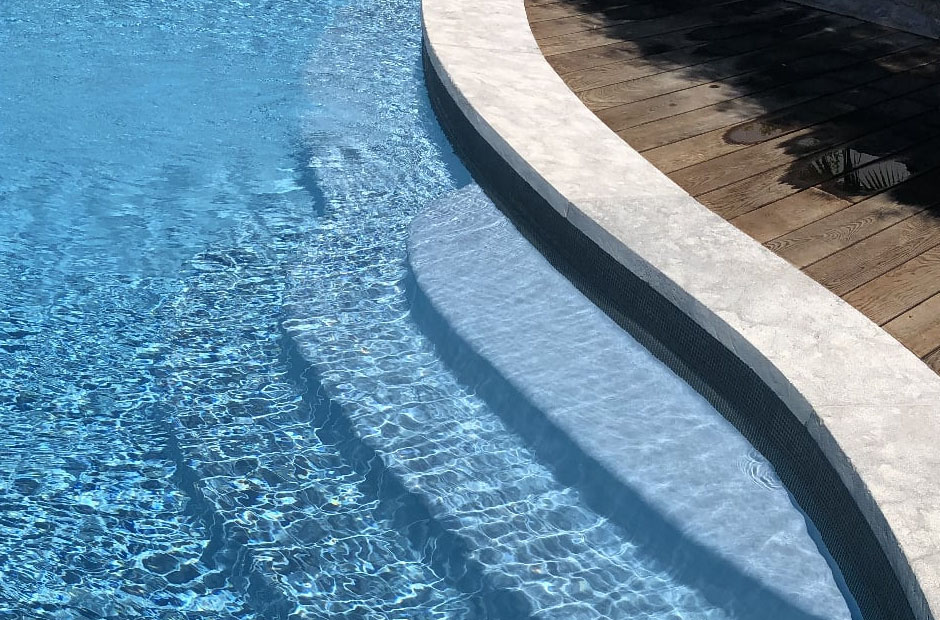
Pool longevity is strongly influenced by the condition of its interior surfaces, particularly plaster and cement finishes. These materials form the protective layer that seals the pool shell, helping maintain water tightness while also shaping the overall swimming experience. Over time, constant exposure to chemicals, temperature changes, and physical wear can cause gradual deterioration. When surfaces weaken, issues such as rough textures, staining, and minor leaks may begin to appear, signaling the early stages of surface breakdown that can affect the pool’s long-term performance.
Maintaining these surfaces is essential to extending a pool’s functional life, as small defects can develop into larger structural concerns if left unaddressed. Regular assessment and timely intervention help preserve both appearance and integrity. In many cases, approaches such as plaster & cement pool resurfacing are considered when wear becomes significant, restoring a more stable and uniform interior surface while supporting overall durability and longevity. Proper maintenance routines can further delay the need for major restoration work.
Understanding Pool Plaster and Cement Surfaces
Pool plaster acts as the final coating applied over the concrete structure, forming a smooth, watertight barrier that resists moisture and chemical imbalances. The standard mix involves white Portland cement and quartz or marble dust, which together deliver both aesthetics and durability. Below the plaster layer, cement provides the underlying strength and shape, supporting the entire pool structure.
This combination is fundamental to lasting pool performance. Plaster not only enhances water resistance but also provides a surface that’s comfortable to the touch and visually striking, while cement ensures the pool withstands constant water pressure and environmental changes. Quality installation and proper mix ratios are key, as poor workmanship can lead to early surface failure.
Factors Affecting the Lifespan of Pool Surfaces
Multiple variables determine how well pool plaster and cement surfaces will age:
- Water Chemistry:Pools with improperly balanced chemicals experience surface degradation, such as etching from low pH or calcium deposits from high pH and alkalinity.
- Usage Frequency:Heavily used pools are more susceptible to surface wear and tear, especially in commercial or public settings.
- Environmental Exposure:Surface materials constantly exposed to extreme sun, freezing temperatures, or fluctuating water levels are vulnerable to cracking and deterioration.
- Routine Maintenance:Consistent upkeep, including cleaning and timely repair of minor damage, plays a significant role in prolonging the surface’s lifespan.
Importance of Water Chemistry
Maintaining balanced water chemistry is vital for protecting pool surfaces and ensuring swimmer safety. Imbalanced water can quickly destroy the integrity of plaster and cement—low calcium levels draw minerals out of the surface (a process called leaching), while excess calcium can lead to scaling. Regularly monitoring pH, alkalinity, and calcium hardness not only preserves the finish but also keeps maintenance manageable.
Signs Your Pool Surface Needs Attention
Vigilance in spotting early signs of surface distress can prevent costly repairs and extend the pool’s lifespan. Warning indicators include:
- Rough or Gritty Texture:Immediately noticeable when brushing up against the surface, this can indicate advanced wear or chemical etching.
- Persistent Stains:Discoloration signals a chemical imbalance or metal intrusion, often pointing to deeper issues such as cracks beneath the plaster.
- Cracks and Chips:Visible damage requires prompt attention, as these flaws can worsen quickly, leading to leaks and undermining the structural base.
Maintenance Tips to Extend Surface Longevity
- Conduct routine water tests weekly to ensure correct chemical levels.
- Brush pool walls and floor at least once a week to prevent buildup and algae formation.
- Address minor cracks or discolorations promptly with appropriate repair materials.
- Schedule professional inspections annually to identify and resolve hidden issues before they progress.
Alternative Pool Finishes
While plaster is widely used, alternative finishes such as exposed aggregate, pebble, or tile provide enhanced durability and unique aesthetics. Aggregate finishes (made of stone, quartz, or glass beads) can last 15 to 25 years, requiring less frequent resurfacing and offering brighter, more textured surfaces. Tile is exceptionally durable and offers an upscale design option, though it can be a more significant investment.
Evaluating these alternatives helps pool owners balance cost, longevity, and desired look, especially for those planning major renovations or seeking to avoid repetitive resurfacing projects.
Conclusion
The foundation and finish of a swimming pool have a defining effect on both its lifespan and daily enjoyment. By understanding how plaster and cement surfaces affect pool durability and maintaining a rigorous care schedule, pool owners protect their investment and create a welcoming, long-lasting oasis. Regular reviews of water chemistry, early problem resolution, and exploring high-quality alternative finishes are the keys to achieving excellent results and enjoying your pool for decades.