Now Reading: The Value of Reliable Temperature Management in Commercial Cooling Systems
-
01
The Value of Reliable Temperature Management in Commercial Cooling Systems

Key Takeaways
- Choosing a trustworthy home builder is essential for ensuring a smooth, transparent, and high-quality construction process
- Transparent estimates, strong communication, and realistic timelines are key indicators of a reliable builder
- A reputable builder should have proper licensing, insurance, proven experience, and positive references
- Quality materials, clear change order processes, and a strong industry reputation further reflect professionalism and reliability
- Evaluating these factors carefully helps homeowners avoid costly mistakes and construction delays
Introduction
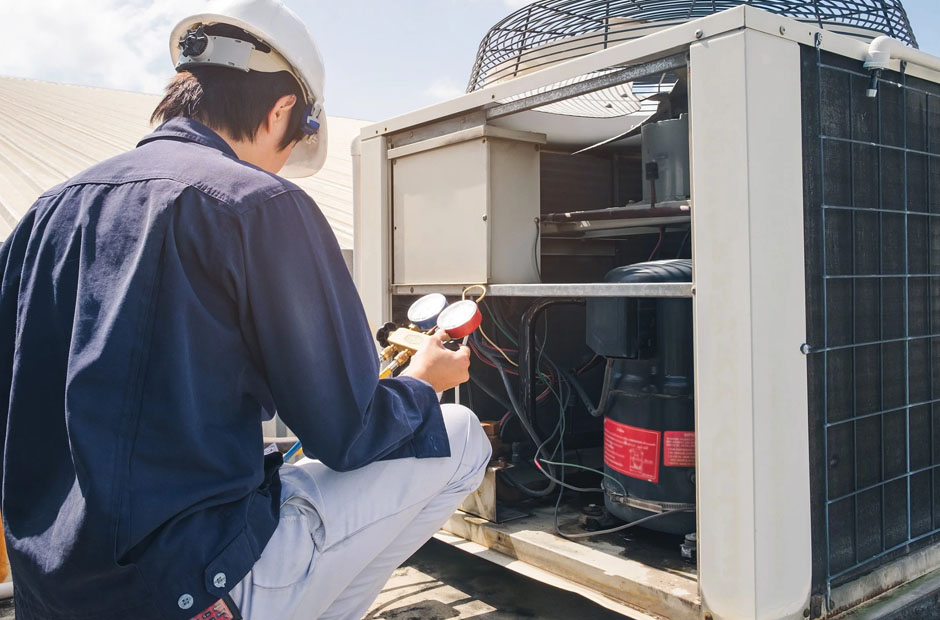
In commercial operations, precise temperature control in cooling systems is essential to maintaining efficiency, safeguarding equipment, and protecting product quality. Whether in expansive data centers or food storage facilities, any deviation from preset temperatures can result in costly outcomes. Failure to maintain consistent climate control may lead to hardware malfunction, increased operating costs, or serious product loss. Businesses looking for solutions often partner with trusted HVAC professionals for ongoing temperature management and equipment optimization.
Efficient cooling extends beyond technology investment. It requires a commitment to preventative maintenance, thorough monitoring, and adaptation to industry best practices. Organizations that emphasize temperature reliability often experience fewer disruptions, enjoy longer equipment life, and maintain compliance with regulatory requirements.
Impact on Equipment Longevity
Stable temperature management directly influences how long commercial equipment lasts. Cooling units that face temperature instability endure additional mechanical stress, which accelerates wear and increases the risk of premature breakdown. For businesses in IT, such as data centers, robust cooling strategies enable round-the-clock heat dissipation. This not only safeguards mission-critical servers but also allows major capital investments in infrastructure to yield long-term value.
Regular maintenance and prompt response to system anomalies, such as monitoring refrigerant levels or addressing faulty sensors, are vital to achieving optimal operational life. According to experts at the U.S. Department of Energy, proactive measures can help reduce unscheduled repairs and extend the useful lifespan of commercial refrigeration equipment.
Beyond mechanical durability, stable thermal conditions help preserve fragile electronic components that are sensitive to heat fluctuations. Temperature spikes may not result in immediate equipment failure, but over time, sustained variances increase the risk of cumulative damage. Incorporating real-time temperature analytics can also help spot early warning signs, allowing corrective action before failures occur. This approach ensures that organizations minimize operational risk and proactively protect their investments.
Energy Efficiency and Cost Savings
Properly managed commercial cooling systems deliver significant energy savings. Systems designed to operate within optimal temperature parameters typically consume less energy, especially when modernized with high-efficiency components and low-global-warming-potential refrigerants. These advancements enable businesses to meet or exceed environmental codes while benefiting from lower electricity bills.
Research shows that upgrades to modern chiller systems can lead to cost reductions and improved performance. By monitoring temperature and adjusting system loads based on occupancy and environmental factors, facilities avoid unnecessary energy consumption while keeping products and infrastructure protected.
Energy-efficient technologies such as variable speed drives, demand-controlled ventilation, and advanced thermostatic controls contribute to sustained reductions in energy consumption. These innovations allow commercial facilities to tailor their cooling output to exact requirements, avoiding overcooling during low-demand periods or excessive strain during high occupancy. Moreover, integration with building automation systems ensures seamless coordination between cooling, heating, and ventilation for optimal overall performance.
Ensuring Product Quality
In industries such as food storage and pharmaceuticals, consistent temperature management keeps products safe and potent. Even a slight temperature deviation may compromise the safety and efficacy of pharmaceuticals or the freshness and shelf life of food. Commercial refrigerators and freezers equipped with reliable controls help prevent spoilage and build customer confidence.
For food retailers, for example, implementing precise temperature controls results in better product presentation, reduced waste, and fewer losses due to unsellable goods. It also demonstrates mandatory regulatory compliance for such sectors.
The use of digital record-keeping and automated alerts greatly enhances traceability and accountability within the supply chain. In the event of a temperature excursion, digital records enable swift identification and isolation of compromised inventory, preventing widespread recalls or liability. Additionally, transparent reporting tools reassure partners and customers alike that the integrity of goods is a top operational priority.
Preventing Downtime and Operational Disruptions
Reliable cooling protects businesses from costly disruptions. A failure in temperature control can bring entire operations to a halt; in data centers, such failures can result in critical data loss and service interruptions. Avoiding such problems means investing in advanced, fail-safe systems and adopting a comprehensive maintenance and monitoring program.
Reducing downtime is not only about maintaining productivity. It preserves business reputation and streamlines operations, ensuring continuity for both internal teams and external clients or customers.
Implementing redundant cooling systems and backup generators further minimizes the risk of unexpected outages. These contingency measures, together with instant notifications from monitoring platforms, empower operators to respond rapidly and minimize the impact of any irregularities. By developing robust contingency protocols, companies boost resilience and demonstrate a commitment to reliability.
Compliance with Regulations
Regulatory agencies have increasingly implemented standards to improve energy efficiency and safety in commercial cooling systems. The European Union’s energy-label revision (Regulation 2023/1545) is one prominent example, mandating that manufacturers enhance the efficiency of professional refrigeration equipment. Compliance is both a legal and business necessity, safeguarding organizations against penalties and reinforcing their market reputation as responsible, quality-driven operators.
Adhering to these standards involves integrating higher-efficiency hardware and leveraging digital temperature management tools that provide transparency and support regulatory reporting, both essential for industries that must provide traceability.
Detailed compliance tracking and ongoing employee training ensure that businesses remain prepared for inspections and audits. Regularly updating systems and policies in line with legislative changes demonstrates proactivity and protects organizations from costly non-compliance risks.
Implementing Advanced Cooling Technologies
The adoption of next-generation cooling technologies, such as magnetic bearing chillers, helps facilities meet escalating cooling demands and achieve precision in temperature control. These innovations enable organizations to respond to complex requirements in real time, ensuring operational excellence.
Advanced systems often incorporate remote monitoring, predictive analytics, and automated response tools. These features reduce human error and bolster energy and cost savings, making technological investment an integral part of a forward-thinking business strategy.
As artificial intelligence and machine learning grow in application, cooling systems can self-optimize and quickly adapt to new loads or unexpected external temperature changes. For instance, AI-driven algorithms process live data from environmental sensors and adjust cooling parameters in real time, ensuring that temperature-sensitive environments remain within range at all times. Predictive analytics enable facilities to schedule maintenance only when needed, avoiding both under- and over-servicing, and enhancing resource management.
Final Thoughts
Reliable temperature management is integral to commercial success. It underpins equipment longevity, energy savings, and compliance with quality and regulatory standards. By investing in technology solutions, collaborating with industry professionals, and prioritizing preventative maintenance, organizations maintain operational stability, protect valuable assets, and secure a consistent market advantage.
As business environments become more complex, investing in state-of-the-art temperature management not only addresses immediate operational needs but also supports broader sustainability and customer trust goals. Moving forward, organizations equipped with efficient, adaptable, and intelligent cooling systems are positioned to lead in performance, resilience, and responsible stewardship within their respective industries.