Now Reading: Seasonal Pest Prevention Guide for Northern Virginia, Virginia Homeowners
-
01
Seasonal Pest Prevention Guide for Northern Virginia, Virginia Homeowners
Seasonal Pest Prevention Guide for Northern Virginia, Virginia Homeowners

Key Takeaways
- Pest pressure changes with temperature, rainfall, humidity, and available shelter.
- Spring and summer often bring greater activity from ants, termites, ticks, mosquitoes, and stinging insects.
- Fall and winter are important seasons for preventing rodents and overwintering insects from settling indoors.
- Sealing entry points, correcting moisture problems, and managing food storage can reduce pest-friendly conditions.
- Repeated activity, property damage, or a potential health or safety issue deserves prompt attention.
Why Seasonal Pest Prevention Matters in Northern Virginia
Northern Virginia homes experience distinct seasonal shifts, from wet spring days and humid summers to crisp fall nights and cold winter stretches. Those changes affect where pests feed, breed, and seek shelter. A practical prevention plan focuses on making the home less accessible and less inviting before activity becomes a larger issue.
For homeowners who need help identifying entry points or building a property-specific plan, Northern Virginia exterminators at Green Pest Services provide residential pest control and environmentally conscious pest-management services across communities, including Alexandria, Arlington, Chantilly, Fairfax, and Manassas. The company’s local service information covers common concerns such as ants, rodents, termites, mosquitoes, ticks, bed bugs, and stinging insects, making it a relevant option for households needing professional inspection or treatment guidance.
Spring: Address Moisture and Early Activity
As soil warms and spring rain arrives, pests may become more noticeable around foundations, patios, mulch beds, and exterior walls. The National Pest Management Association’s 2026 seasonal pest forecast identified the Mid-Atlantic as a region where termites, brown marmorated stink bugs, and Asian lady beetles could emerge early, followed by increased activity from ticks and stinging insects as temperatures rise.
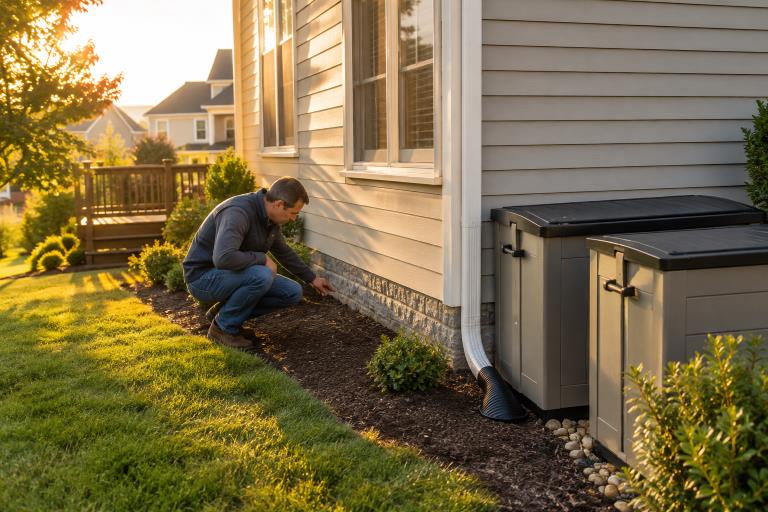
Start with water and access points. Repair leaking outdoor faucets, clean clogged gutters, and empty water from buckets, toys, planters, and other containers. Check door sweeps, window screens, utility penetrations, and visible foundation gaps. Clearing leaves and plant debris from the perimeter also removes places where insects can hide close to the structure.
Summer: Reduce Food, Water, and Outdoor Habitats
Warm, humid weather can support mosquitoes, ticks, ants, spiders, wasps, and yellowjackets. A clean indoor space helps, but a clean home can still have pests when there are small exterior gaps, damp areas, or dense vegetation beside the house. Pests do not need a messy home to find water, shelter, or a path indoors.
Keep outdoor trash containers closed, wipe spills from grill and patio areas, and store pet food and birdseed in sealed containers. Trim shrubs and tree branches away from siding and rooflines, mow tall grass, and remove brush near play spaces. During outdoor meals and gatherings, keep screens intact and close doors promptly. This approach also emphasizes sealing gaps, reducing clutter, correcting drainage, and checking areas prone to moisture.
Fall: Keep Seasonal Invaders Outside
Cooler nights can drive rodents and overwintering insects toward wall voids, attics, garages, crawl spaces, and basements. Fall is an especially useful time to inspect the home’s exterior carefully, because a small opening can become an easy route to sheltered indoor space.
- Inspect the roofline, foundation, vents, garage door edges, and utility openings.
- Repair damaged screens and seal appropriate cracks or gaps around pipes and cables.
- Move firewood away from the home and keep it elevated from the ground.
- Store seasonal items in lidded plastic bins rather than loose cardboard when possible.
- Clean gutters and direct water away from the foundation.
Winter: Watch for Hidden Indoor Activity
Cold weather may reduce outdoor sightings, but it does not necessarily end a pest issue. Rodents can remain active in protected areas, while insects already inside wall voids, storage areas, or other sheltered spaces may be difficult to notice. Listen for nighttime scratching, look for fresh droppings or gnaw marks, and inspect around pipes, appliances, utility rooms, and stored belongings.
Keep food waste contained, avoid leaving pet food out overnight, and repair small plumbing leaks promptly. Basements, garages, attics, and crawl spaces should be kept as dry and uncluttered as possible. If you suspect rodents or find unknown droppings, avoid direct handling until the situation has been identified and addressed safely.
Five Signs a Pest Problem May Be Growing
- Repeated sightings in the same room, cabinet, or exterior area.
- Fresh droppings, shed skins, nests, egg cases, or damaged food packaging.
- Wood damage, discarded wings, or mud tubes near the foundation.
- Gnaw marks on wiring, insulation, storage boxes, or structural materials.
- New bites, stings, or unexplained irritation following time in a particular outdoor area.
Do not attempt to disturb an active wasp nest, handle rodents, or treat suspected bed bugs based on guesswork. Correct identification matters because different pests require different prevention and treatment methods.
DIY Prevention Steps That Make a Difference
A brief monthly home check can uncover issues before they become harder to manage. Focus on these practical tasks:
- Check exterior screens, weatherstripping, siding, and visible gaps.
- Control moisture indoors and outdoors, including leaks, gutters, and drainage.
- Keep pantry goods, pet supplies, and birdseed in sealed containers.
- Reduce clutter in basements, garages, sheds, and attics.
- Keep mulch and vegetation from pressing directly against siding.
- Make a note of when and where pest activity appears.
For example, a slow leak beneath a kitchen sink, combined with an open food container, can create favorable conditions for pests seeking both moisture and food. Fixing the leak and changing storage habits may solve the underlying attraction more effectively than repeatedly treating the visible area.
When to Call a Pest Professional
Professional help may be the better choice when activity continues after basic cleaning and repairs, when pests appear to be entering from inaccessible areas, or when the source is unclear. Termites, bed bugs, rodents, and nests of stinging insects may require specialized inspection, identification, and treatment. Households with children, pets, allergies, or other health considerations may also prefer a professional plan tailored to the property.
How to Choose a Responsible Provider
- Confirm licensing, insurance, and technician training.
- Ask for a clear explanation of the pest, treatment area, and follow-up plan.
- Look for prevention and exclusion recommendations, not only treatment products.
- Ask how children, pets, pollinators, and beneficial insects will be considered.
- Review service terms, communication practices, and any warranty details before scheduling.
Integrated Pest Management for Long-Term Prevention
Integrated pest management is a practical approach that combines inspection, sanitation, exclusion, monitoring, and targeted treatment. Rather than relying on a single tactic, it begins by identifying the pest and locating the food, water, shelter, or entry point that supports it. The goal is to use the least disruptive, most effective solution, then monitor the results and adjust as needed.
Frequently Asked Questions
Are pests active all year in Northern Virginia?
Yes, but activity varies by species and season. Many insects are more visible outdoors in warm weather, while rodents and some insects may remain active indoors during winter.
How often should homeowners inspect for pests?
A quick monthly inspection is useful, with closer checks in spring and fall when weather changes can increase outdoor activity or encourage pests to seek indoor shelter.
Does cold weather kill all household pests?
No. Cold conditions can reduce outdoor activity, but protected locations such as walls, attics, garages, crawl spaces, and basements can help pests survive.
Small Checks Can Prevent Bigger Problems
Seasonal pest prevention is part of regular home care in Northern Virginia. By managing moisture, storing food carefully, maintaining the yard, sealing entry points, and responding early to repeat activity, homeowners can reduce unwelcome surprises throughout the year. The objective is not to eliminate every outdoor pest, but to make the home less attractive and less accessible to them.